-

Without change, US Navy’s future fleet looks too ambitious for industry
For industry to execute the plans in the Future Years Defense Program, major improvements will have to take place.
-

There is more to NATO burden sharing than the 2% spending dogma
At the alliance’s anniversary summit in Washington this summer, a more accurate accounting of member contributions is in order, argues Collin Meisel.
-

Three surprises in the US military’s wish lists
Unfunded priorities lists are important tools in determining where to apply missing resources, but they also signal consequences to budget uncertainty.
-

Stock buybacks in defense: What drives them, and how that can change?
Changing this situation and spurring increased investment in the defense market requires addressing the incentive structures that guide market behavior.
-

Bolster sanctions to stop Iran’s growing military space capabilities
The entire free world needs to fully appreciate the potential danger of Iran’s increasing launch capability.
-

To reinvent itself, the US Air Force must go big on small drones
Small drones, employed in large quantities, can provide staying power in an ephemeral warfighting domain, analysts argue.
-

Russia’s air force is hollowing itself out. More air defense can help.
NATO can afford to donate more munitions to Ukraine now without worrying about its immediate strategic reserves.
-

How open ecosystems can support Pentagon’s digital engineering efforts
There is an increasing demand to acquire weapons systems faster as well as a greater complexity behind current and emerging technologies.
-

How US forces can adopt Ukraine’s unconventional multidomain approach
The next war will not be won by a salvo of hypersonic missiles alone.
-

FY24 defense appropriations bill invests in more modern, ready force
We cannot rely on our legacy arsenal to retain military advantage and deter threats.
-
Without change, US Navy’s future fleet looks too ambitious for industry
For industry to execute the plans in the Future Years Defense Program, major improvements will have to take place.
-
There is more to NATO burden sharing than the 2% spending dogma
At the alliance’s anniversary summit in Washington this summer, a more accurate accounting of member contributions is in order, argues Collin Meisel.
-
Three surprises in the US military’s wish lists
Unfunded priorities lists are important tools in determining where to apply missing resources, but they also signal consequences to budget uncertainty.
-
Stock buybacks in defense: What drives them, and how that can change?
Changing this situation and spurring increased investment in the defense market requires addressing the incentive structures that guide market behavior.
-
Bolster sanctions to stop Iran’s growing military space capabilities
The entire free world needs to fully appreciate the potential danger of Iran’s increasing launch capability.
-
To reinvent itself, the US Air Force must go big on small drones
Small drones, employed in large quantities, can provide staying power in an ephemeral warfighting domain, analysts argue.
-
Russia’s air force is hollowing itself out. More air defense can help.
NATO can afford to donate more munitions to Ukraine now without worrying about its immediate strategic reserves.
-
How open ecosystems can support Pentagon’s digital engineering efforts
There is an increasing demand to acquire weapons systems faster as well as a greater complexity behind current and emerging technologies.
-
How US forces can adopt Ukraine’s unconventional multidomain approach
The next war will not be won by a salvo of hypersonic missiles alone.
-
FY24 defense appropriations bill invests in more modern, ready force
We cannot rely on our legacy arsenal to retain military advantage and deter threats.
-

Without change, US Navy’s future fleet looks too ambitious for industry
For industry to execute the plans in the Future Years Defense Program, major improvements will have to take place.
-
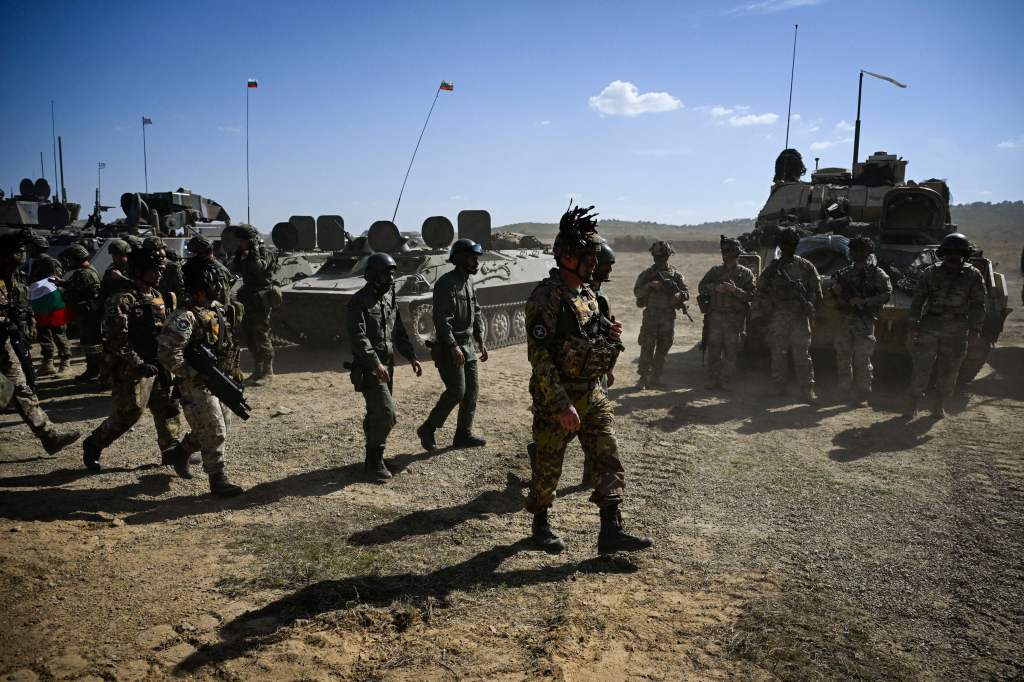
There is more to NATO burden sharing than the 2% spending dogma
At the alliance’s anniversary summit in Washington this summer, a more accurate accounting of member contributions is in order, argues Collin Meisel.
-

Three surprises in the US military’s wish lists
Unfunded priorities lists are important tools in determining where to apply missing resources, but they also signal consequences to budget uncertainty.
-

Stock buybacks in defense: What drives them, and how that can change?
Changing this situation and spurring increased investment in the defense market requires addressing the incentive structures that guide market behavior.
-

Bolster sanctions to stop Iran’s growing military space capabilities
The entire free world needs to fully appreciate the potential danger of Iran’s increasing launch capability.
-

To reinvent itself, the US Air Force must go big on small drones
Small drones, employed in large quantities, can provide staying power in an ephemeral warfighting domain, analysts argue.
-

Russia’s air force is hollowing itself out. More air defense can help.
NATO can afford to donate more munitions to Ukraine now without worrying about its immediate strategic reserves.
-

How open ecosystems can support Pentagon’s digital engineering efforts
There is an increasing demand to acquire weapons systems faster as well as a greater complexity behind current and emerging technologies.
-

How US forces can adopt Ukraine’s unconventional multidomain approach
The next war will not be won by a salvo of hypersonic missiles alone.
-

FY24 defense appropriations bill invests in more modern, ready force
We cannot rely on our legacy arsenal to retain military advantage and deter threats.