
-

Implementing the industrial base strategy won’t be easy
This is a national crisis that will take an all hands on deck effort to resolve. But it’s not clear the sense of urgency is strong enough.
-

To deter China, the US and Taiwan should seek asymmetric symmetry
The days of black-and-white definitions of asymmetry have passed.
-
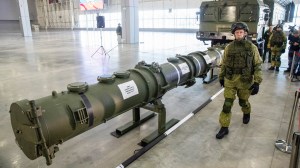
An unprepared West contemplates threat of Russia’s nonstrategic nukes
A deeper and broader study of Russia’s approach to nonstrategic nuclear weapons is essential to maintaining the peace in Europe.
-

Rebuild US brain trust to curb reliance on foreign critical minerals
China’s Commerce Ministry recently imposed export controls on gallium and germanium, minerals essential for computer chips and solar panels.
-

Think the Sentinel nuclear program is pricey? Try living without it.
Budgets are tight, which means every defense dollar counts, but the program should not be thought of as “unaffordable,” given the stakes.
-
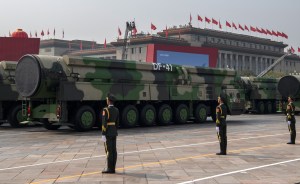
Corruption in China’s military is no excuse for American complacency
American policymakers should not bet on corruption to hamstring PLA modernization.
-
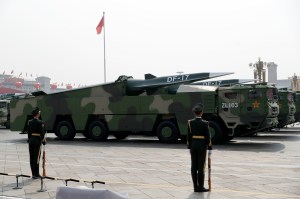
The US is failing to quickly field hypersonic missile defense
If Washington does not act quickly to expedite the Pentagon’s fielding of hypersonic missile defense capabilities, deterrence may fail in the Pacific.
-

Repair deployed ships in theater to optimize combat power
Vast ocean distances that take weeks to traverse make the ability to regenerate forces quickly a critical enabler for mission success.
-
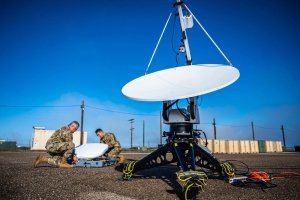
US Space Force needs more to effectively deter, win wars
The Space Force was established to address the threat in space, not to be the help desk of the other services.
-
Pentagon’s industrial strategy describes the problem, not the solution
The new strategy contains useful words about the problem. Those words must be quickly put into measurable and funded actions.
-
Implementing the industrial base strategy won’t be easy
This is a national crisis that will take an all hands on deck effort to resolve. But it’s not clear the sense of urgency is strong enough.
-
To deter China, the US and Taiwan should seek asymmetric symmetry
The days of black-and-white definitions of asymmetry have passed.
-
An unprepared West contemplates threat of Russia’s nonstrategic nukes
A deeper and broader study of Russia’s approach to nonstrategic nuclear weapons is essential to maintaining the peace in Europe.
-
Rebuild US brain trust to curb reliance on foreign critical minerals
China’s Commerce Ministry recently imposed export controls on gallium and germanium, minerals essential for computer chips and solar panels.
-
Think the Sentinel nuclear program is pricey? Try living without it.
Budgets are tight, which means every defense dollar counts, but the program should not be thought of as “unaffordable,” given the stakes.
-
Corruption in China’s military is no excuse for American complacency
American policymakers should not bet on corruption to hamstring PLA modernization.
-
The US is failing to quickly field hypersonic missile defense
If Washington does not act quickly to expedite the Pentagon’s fielding of hypersonic missile defense capabilities, deterrence may fail in the Pacific.
-
Repair deployed ships in theater to optimize combat power
Vast ocean distances that take weeks to traverse make the ability to regenerate forces quickly a critical enabler for mission success.
-
US Space Force needs more to effectively deter, win wars
The Space Force was established to address the threat in space, not to be the help desk of the other services.
-
Pentagon’s industrial strategy describes the problem, not the solution
The new strategy contains useful words about the problem. Those words must be quickly put into measurable and funded actions.
-

Implementing the industrial base strategy won’t be easy
This is a national crisis that will take an all hands on deck effort to resolve. But it’s not clear the sense of urgency is strong enough.
-
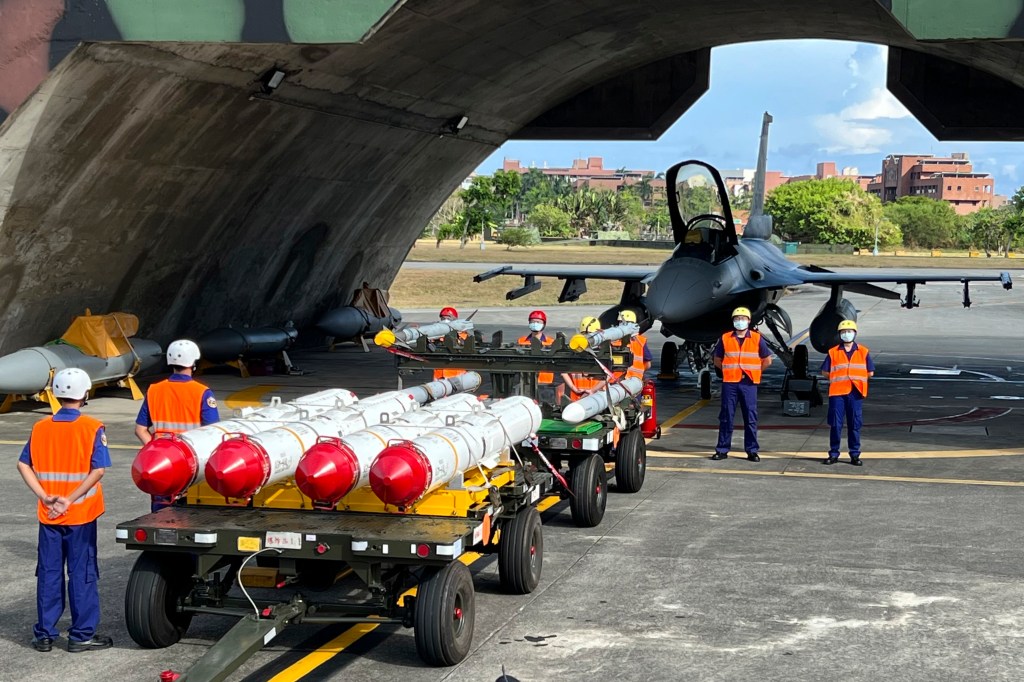
To deter China, the US and Taiwan should seek asymmetric symmetry
The days of black-and-white definitions of asymmetry have passed.
-
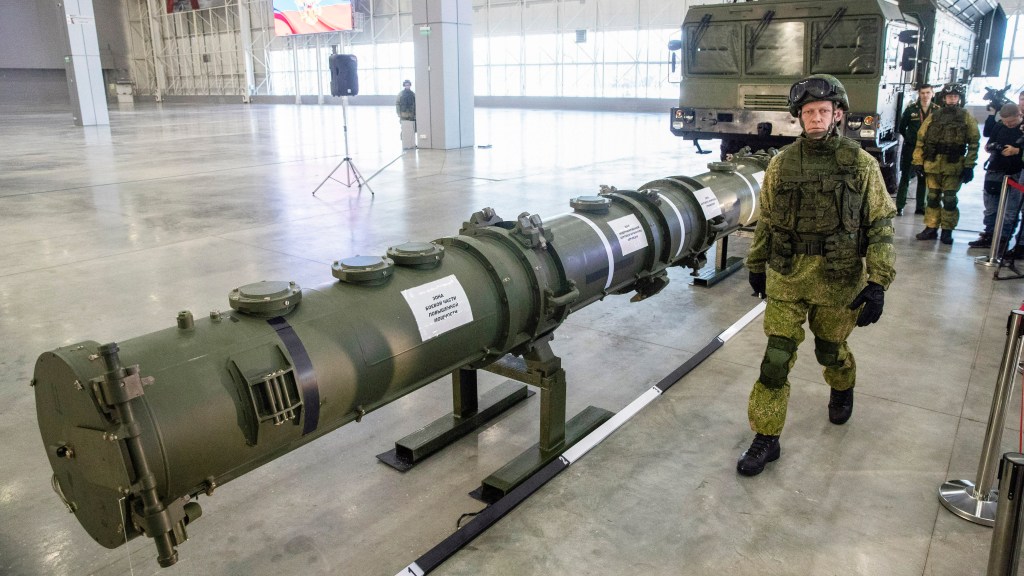
An unprepared West contemplates threat of Russia’s nonstrategic nukes
A deeper and broader study of Russia’s approach to nonstrategic nuclear weapons is essential to maintaining the peace in Europe.
-

Rebuild US brain trust to curb reliance on foreign critical minerals
China’s Commerce Ministry recently imposed export controls on gallium and germanium, minerals essential for computer chips and solar panels.
-

Think the Sentinel nuclear program is pricey? Try living without it.
Budgets are tight, which means every defense dollar counts, but the program should not be thought of as “unaffordable,” given the stakes.
-
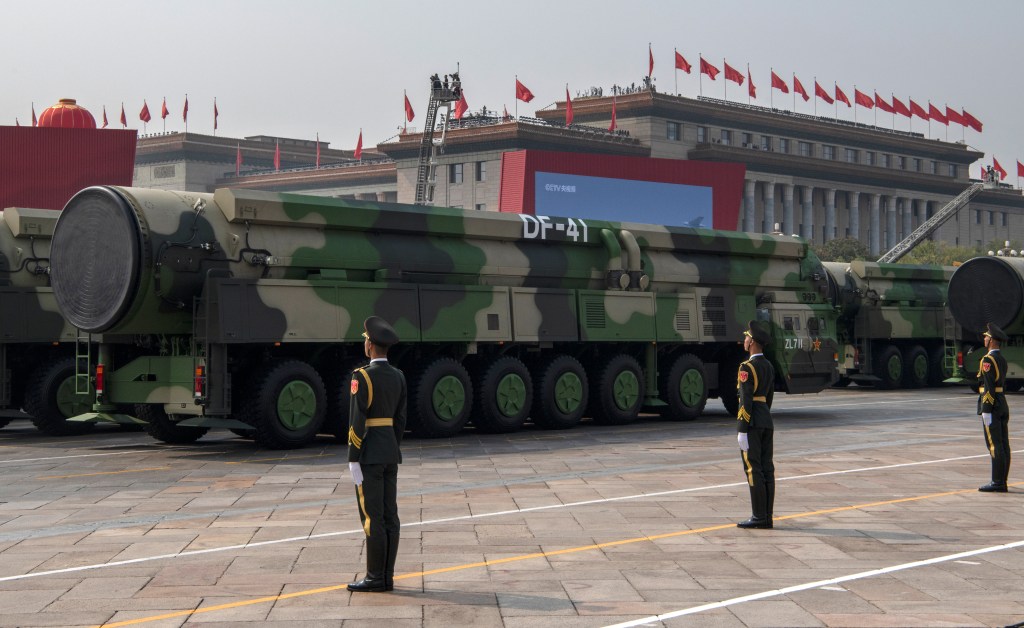
Corruption in China’s military is no excuse for American complacency
American policymakers should not bet on corruption to hamstring PLA modernization.
-
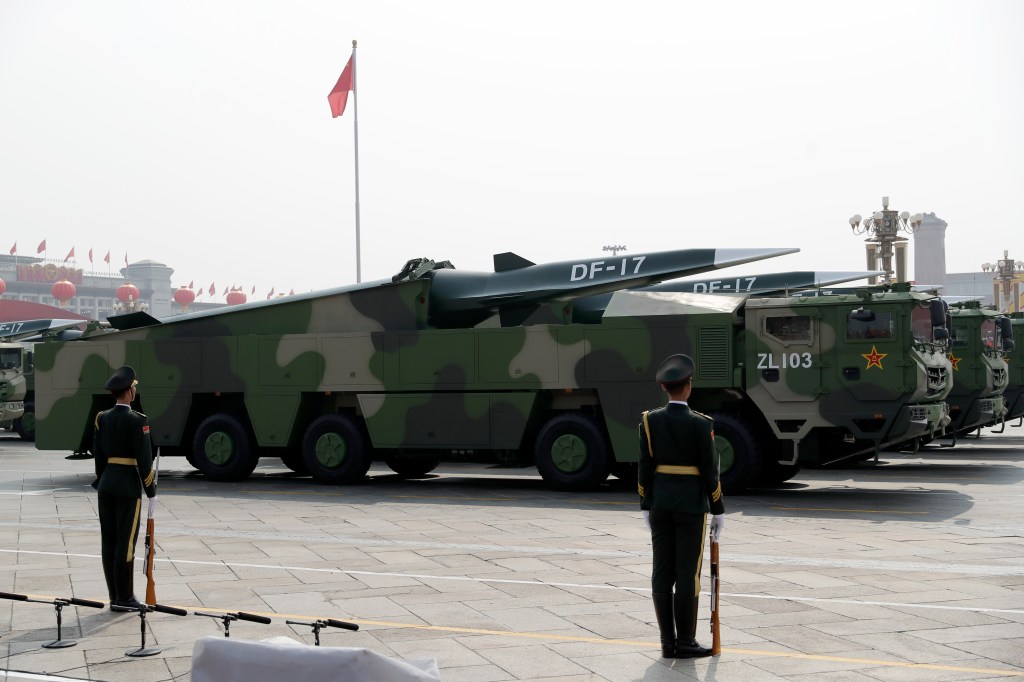
The US is failing to quickly field hypersonic missile defense
If Washington does not act quickly to expedite the Pentagon’s fielding of hypersonic missile defense capabilities, deterrence may fail in the Pacific.
-

Repair deployed ships in theater to optimize combat power
Vast ocean distances that take weeks to traverse make the ability to regenerate forces quickly a critical enabler for mission success.
-
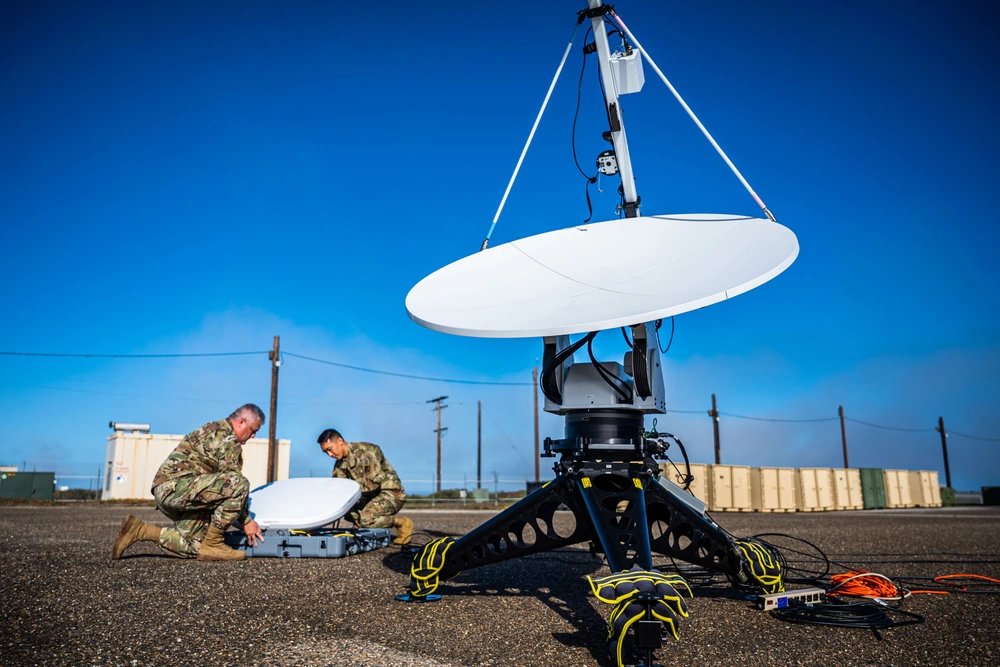
US Space Force needs more to effectively deter, win wars
The Space Force was established to address the threat in space, not to be the help desk of the other services.
-

Pentagon’s industrial strategy describes the problem, not the solution
The new strategy contains useful words about the problem. Those words must be quickly put into measurable and funded actions.


