-

Iran-US nuclear talks may fail due to both nations’ red lines – but that doesn’t make them futile
“Talks do not necessarily need an end point — in the shape of a deal — for them to have purpose,” argues an international relations professor.
-

Why Greenland’s takeover by the US is not needed for Golden Dome
Golden Dome is problematic for many reasons. Don’t let it be used to justify the annexation of a NATO ally’s territory as well.
-
Russia’s domestic drone push is a mixed bag for its war on the West
Russia’s decade-plus domestic tech push shows that Russia can excel at software development but often fails miserably at hardware, writes Justin Sherman.
-

US military action in Iran risks igniting global nuclear cascade
If Iranian leadership survives any U.S. attack, they will almost certainly double down on Iran’s weapons program, argues a Middle Eastern security scholar.
-
America can strike anywhere — but can it stay anywhere?
Perhaps most troubling, the National Defense Strategy ties its framework explicitly to “President Trump’s vision,” mentioning him 47 times across 24 pages.
-

Why the US Army must focus on winning the first battle of the next war
U.S. Army Secretary Daniel Driscoll writes that the service, despite raising standards and eliminating barriers in 2025, has “only scratched the surface.”
-

The German bomb: Much ado about very little
If Berlin were to commit to a national nuclear weapons option, old resentments among Germany’s neighbors could resurface.
-

Biodefense is core defense
It’s crucial that NATO nations quantify their biological defense activities and count them toward NATO’s 3.5% core defense spending target.
-

Why the US should resume testing its nuclear arsenal
This op-ed’s authors argue that the president’s nuclear testing comments were correct, considering America’s aging arsenal and growing security concerns.
-

Can the US ‘run’ Venezuela? Military force doesn’t equal legitimacy
By declaring its intent to govern Venezuela, the U.S is creating a governance trap of its own making, Monica Duffy Toft argues.
-
Iran-US nuclear talks may fail due to both nations’ red lines – but that doesn’t make them futile
“Talks do not necessarily need an end point — in the shape of a deal — for them to have purpose,” argues an international relations professor.
-
Why Greenland’s takeover by the US is not needed for Golden Dome
Golden Dome is problematic for many reasons. Don’t let it be used to justify the annexation of a NATO ally’s territory as well.
-
Russia’s domestic drone push is a mixed bag for its war on the West
Russia’s decade-plus domestic tech push shows that Russia can excel at software development but often fails miserably at hardware, writes Justin Sherman.
-
US military action in Iran risks igniting global nuclear cascade
If Iranian leadership survives any U.S. attack, they will almost certainly double down on Iran’s weapons program, argues a Middle Eastern security scholar.
-
America can strike anywhere — but can it stay anywhere?
Perhaps most troubling, the National Defense Strategy ties its framework explicitly to “President Trump’s vision,” mentioning him 47 times across 24 pages.
-
Why the US Army must focus on winning the first battle of the next war
U.S. Army Secretary Daniel Driscoll writes that the service, despite raising standards and eliminating barriers in 2025, has “only scratched the surface.”
-
The German bomb: Much ado about very little
If Berlin were to commit to a national nuclear weapons option, old resentments among Germany’s neighbors could resurface.
-
Biodefense is core defense
It’s crucial that NATO nations quantify their biological defense activities and count them toward NATO’s 3.5% core defense spending target.
-
Why the US should resume testing its nuclear arsenal
This op-ed’s authors argue that the president’s nuclear testing comments were correct, considering America’s aging arsenal and growing security concerns.
-
Can the US ‘run’ Venezuela? Military force doesn’t equal legitimacy
By declaring its intent to govern Venezuela, the U.S is creating a governance trap of its own making, Monica Duffy Toft argues.
-
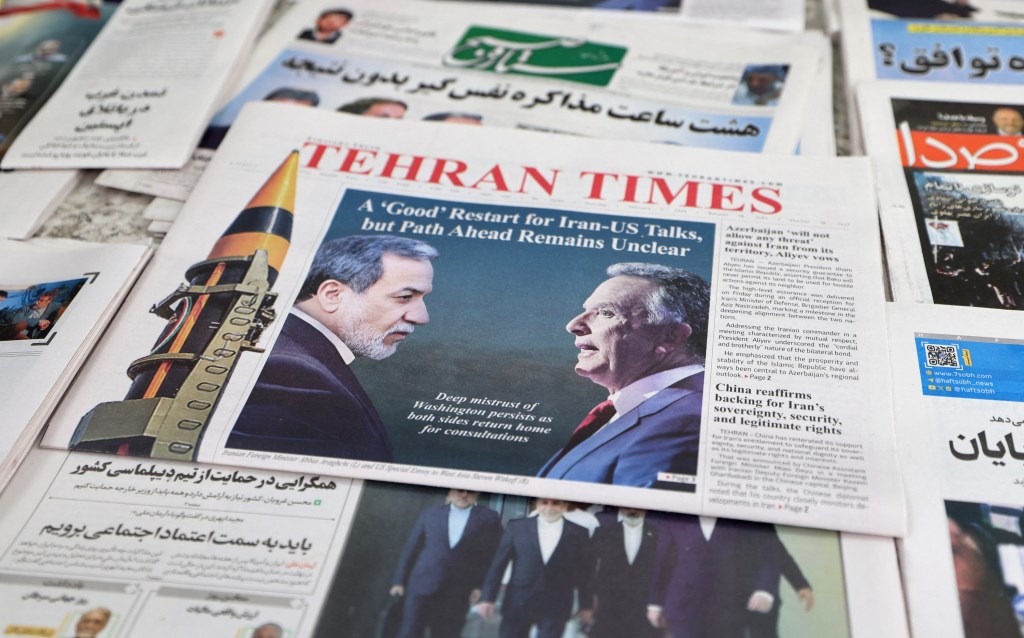
Iran-US nuclear talks may fail due to both nations’ red lines – but that doesn’t make them futile
“Talks do not necessarily need an end point — in the shape of a deal — for them to have purpose,” argues an international relations professor.
-

Why Greenland’s takeover by the US is not needed for Golden Dome
Golden Dome is problematic for many reasons. Don’t let it be used to justify the annexation of a NATO ally’s territory as well.
-
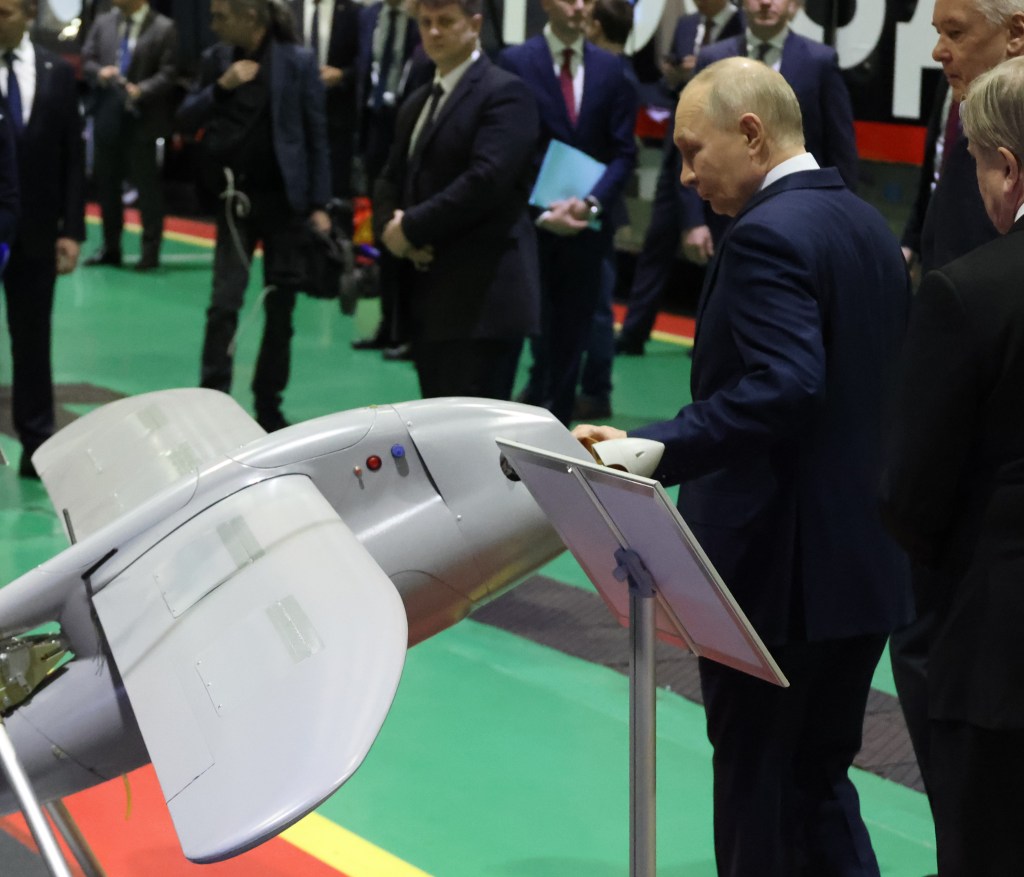
Russia’s domestic drone push is a mixed bag for its war on the West
Russia’s decade-plus domestic tech push shows that Russia can excel at software development but often fails miserably at hardware, writes Justin Sherman.
-

US military action in Iran risks igniting global nuclear cascade
If Iranian leadership survives any U.S. attack, they will almost certainly double down on Iran’s weapons program, argues a Middle Eastern security scholar.
-

America can strike anywhere — but can it stay anywhere?
Perhaps most troubling, the National Defense Strategy ties its framework explicitly to “President Trump’s vision,” mentioning him 47 times across 24 pages.
-
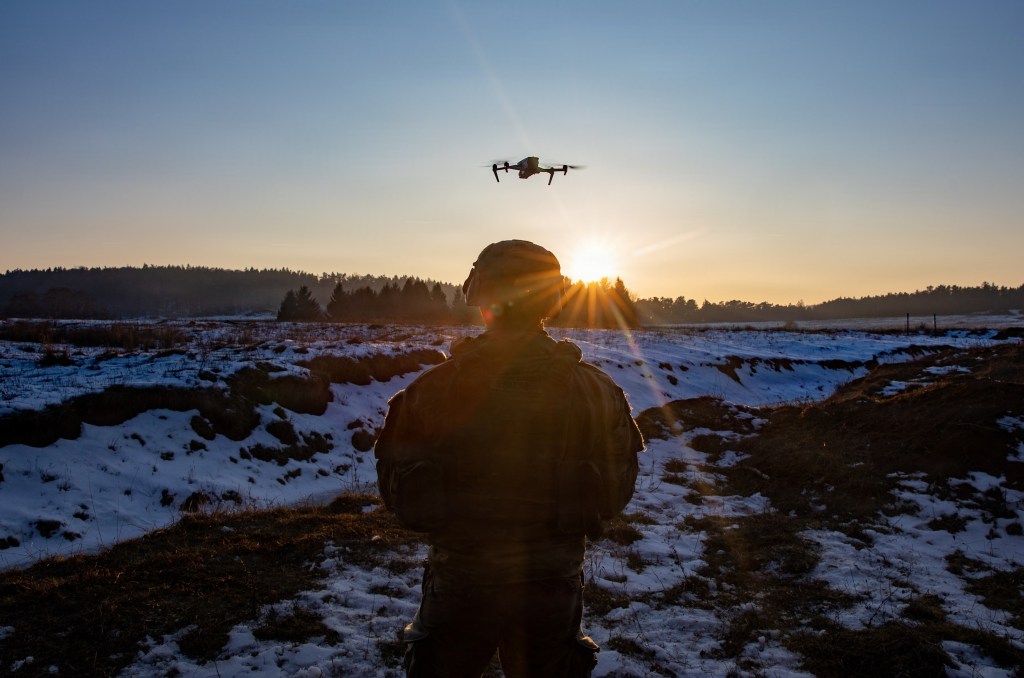
Why the US Army must focus on winning the first battle of the next war
U.S. Army Secretary Daniel Driscoll writes that the service, despite raising standards and eliminating barriers in 2025, has “only scratched the surface.”
-

The German bomb: Much ado about very little
If Berlin were to commit to a national nuclear weapons option, old resentments among Germany’s neighbors could resurface.
-
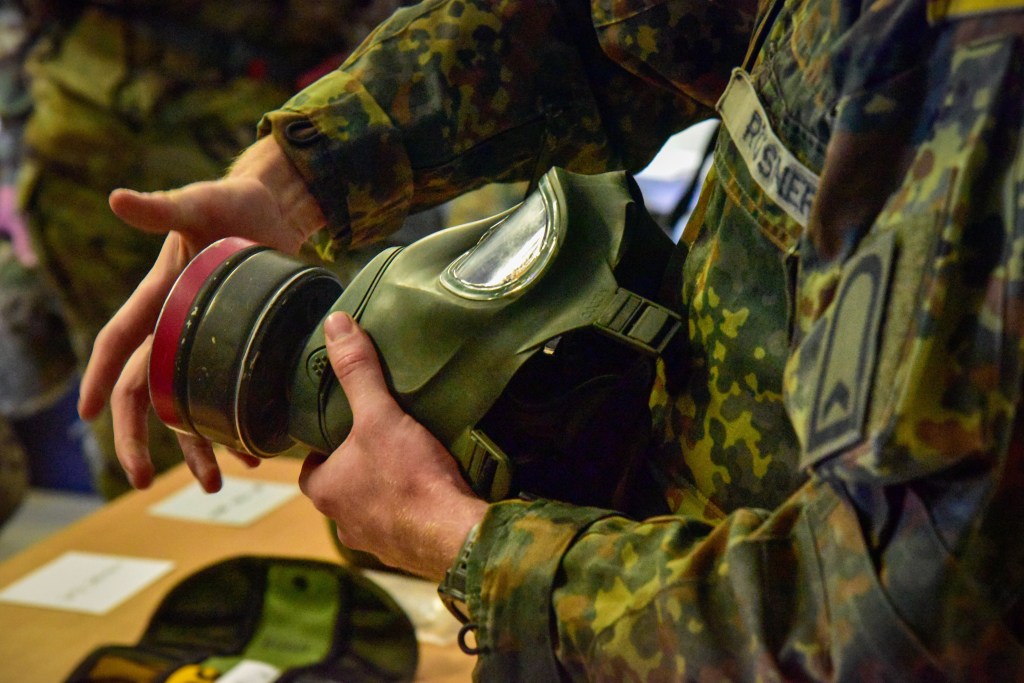
Biodefense is core defense
It’s crucial that NATO nations quantify their biological defense activities and count them toward NATO’s 3.5% core defense spending target.
-

Why the US should resume testing its nuclear arsenal
This op-ed’s authors argue that the president’s nuclear testing comments were correct, considering America’s aging arsenal and growing security concerns.
-

Can the US ‘run’ Venezuela? Military force doesn’t equal legitimacy
By declaring its intent to govern Venezuela, the U.S is creating a governance trap of its own making, Monica Duffy Toft argues.