-
Taking down JCIDS is the right move. What comes next will be crucial.
A new reform push has the potential to have a dramatic impact on the development and fielding of systems used by U.S. armed forces.
-

Where the Arctic meets the Pacific: America’s overlooked frontline
The author of this op-ed argues the U.S. must make the Pacific Arctic more of a priority before the region is dominated entirely by Russia and China.
-
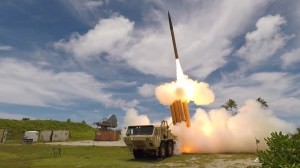
The urgent need to procure more THAAD interceptors
Washington has underinvested in air and missile defense for too long and is now facing the consequences.
-

The Space Force can’t achieve space superiority on the cheap
Each military branch needs at least two things to succeed: a clear mission and a sufficient budget. The U.S. Space Force so far has only one of them.
-

Technology, not geography, will grant global power in the 21st century
Unlike a landmass, technological advantage is not fixed. It must be cultivated, protected, and renewed constantly, argues Frank A. Rose.
-
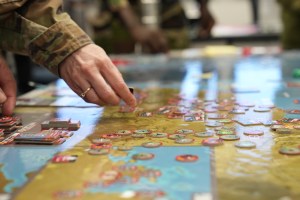
Wargaming is having its ‘Moneyball’ moment
Just like in baseball, the future of wargaming lies in a marriage of modeling and simulation, human expertise and AI.
-

Taiwan’s Han Kuang drills demonstrate its quills are growing sharper
Taiwan has made significant but insufficient progress in building a military capable of deterring a cross-strait invasion.
-
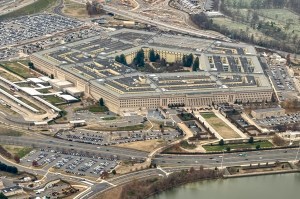
By cutting science, the Defense Department is eating its seed corn
Unless Congress intervenes and adequately funds science and technology, we are risking strategic failure, argues former Air Force secretary Frank Kendall.
-

What’s the key to better defense contracting? Measure what works.
The extent to which the U.S. is reaping benefits from supposedly agile contract instruments is mostly anecdotal, according to a new GMU study.
-

Why it’s hard to know the damage the US did to Iran’s nuclear program
Opinion: Analysts will need more intelligence from more sources to make a confident judgment about the effects on Fordo and Iran’s broader nuclear efforts.
-
Taking down JCIDS is the right move. What comes next will be crucial.
A new reform push has the potential to have a dramatic impact on the development and fielding of systems used by U.S. armed forces.
-
Where the Arctic meets the Pacific: America’s overlooked frontline
The author of this op-ed argues the U.S. must make the Pacific Arctic more of a priority before the region is dominated entirely by Russia and China.
-
The urgent need to procure more THAAD interceptors
Washington has underinvested in air and missile defense for too long and is now facing the consequences.
-
The Space Force can’t achieve space superiority on the cheap
Each military branch needs at least two things to succeed: a clear mission and a sufficient budget. The U.S. Space Force so far has only one of them.
-
Technology, not geography, will grant global power in the 21st century
Unlike a landmass, technological advantage is not fixed. It must be cultivated, protected, and renewed constantly, argues Frank A. Rose.
-
Wargaming is having its ‘Moneyball’ moment
Just like in baseball, the future of wargaming lies in a marriage of modeling and simulation, human expertise and AI.
-
Taiwan’s Han Kuang drills demonstrate its quills are growing sharper
Taiwan has made significant but insufficient progress in building a military capable of deterring a cross-strait invasion.
-
By cutting science, the Defense Department is eating its seed corn
Unless Congress intervenes and adequately funds science and technology, we are risking strategic failure, argues former Air Force secretary Frank Kendall.
-
What’s the key to better defense contracting? Measure what works.
The extent to which the U.S. is reaping benefits from supposedly agile contract instruments is mostly anecdotal, according to a new GMU study.
-
Why it’s hard to know the damage the US did to Iran’s nuclear program
Opinion: Analysts will need more intelligence from more sources to make a confident judgment about the effects on Fordo and Iran’s broader nuclear efforts.
-
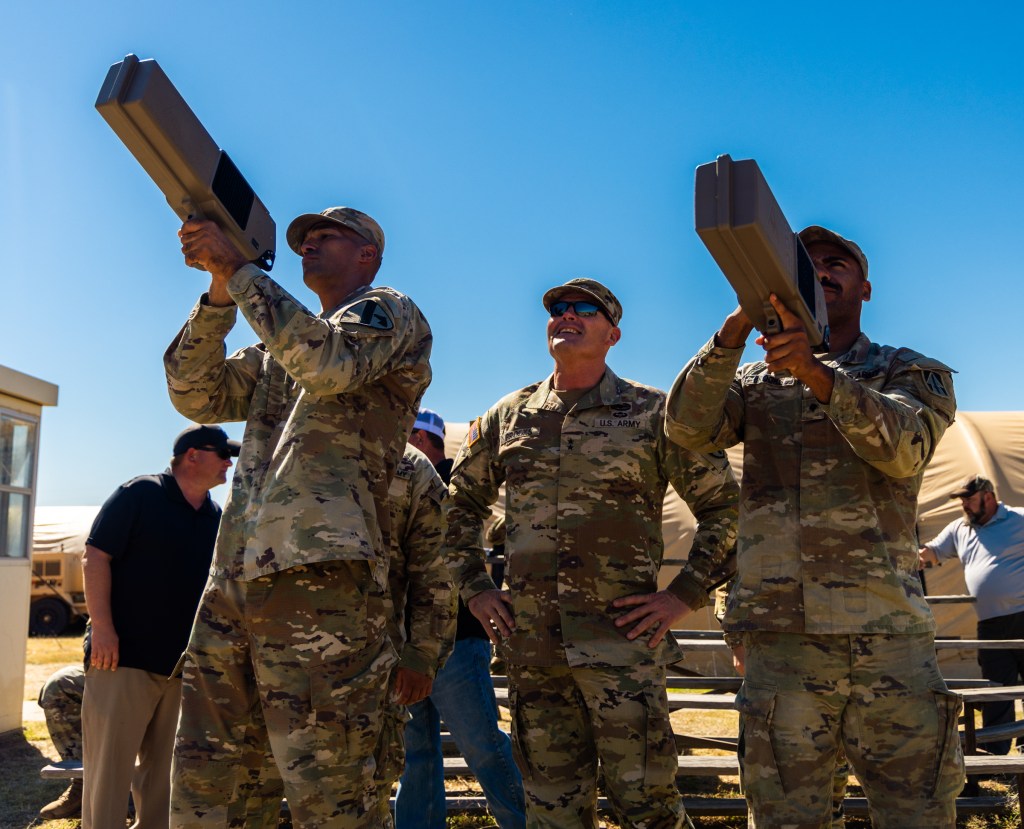
Taking down JCIDS is the right move. What comes next will be crucial.
A new reform push has the potential to have a dramatic impact on the development and fielding of systems used by U.S. armed forces.
-

Where the Arctic meets the Pacific: America’s overlooked frontline
The author of this op-ed argues the U.S. must make the Pacific Arctic more of a priority before the region is dominated entirely by Russia and China.
-
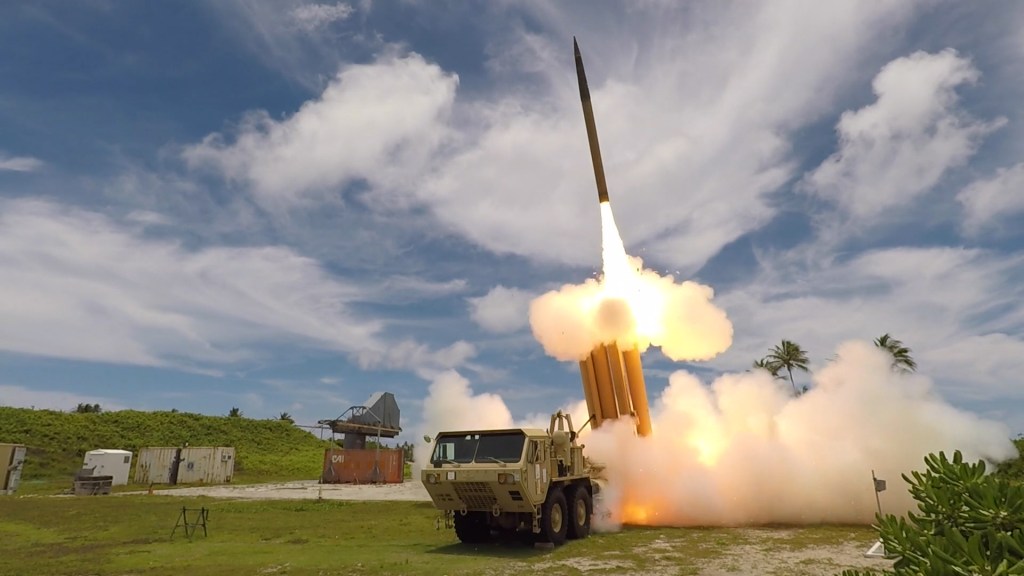
The urgent need to procure more THAAD interceptors
Washington has underinvested in air and missile defense for too long and is now facing the consequences.
-
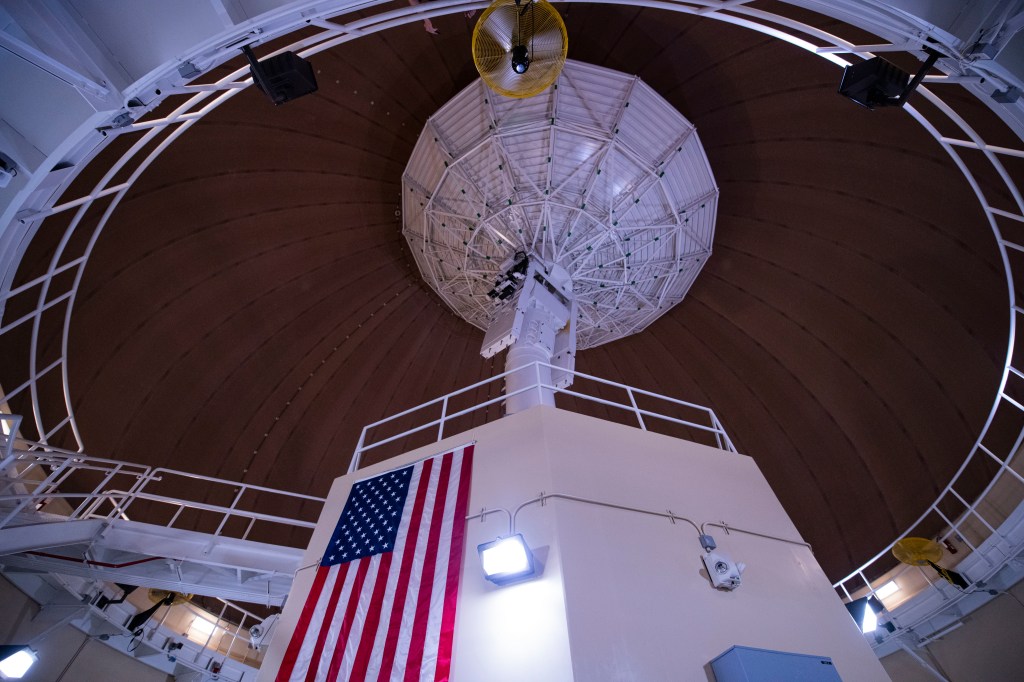
The Space Force can’t achieve space superiority on the cheap
Each military branch needs at least two things to succeed: a clear mission and a sufficient budget. The U.S. Space Force so far has only one of them.
-

Technology, not geography, will grant global power in the 21st century
Unlike a landmass, technological advantage is not fixed. It must be cultivated, protected, and renewed constantly, argues Frank A. Rose.
-
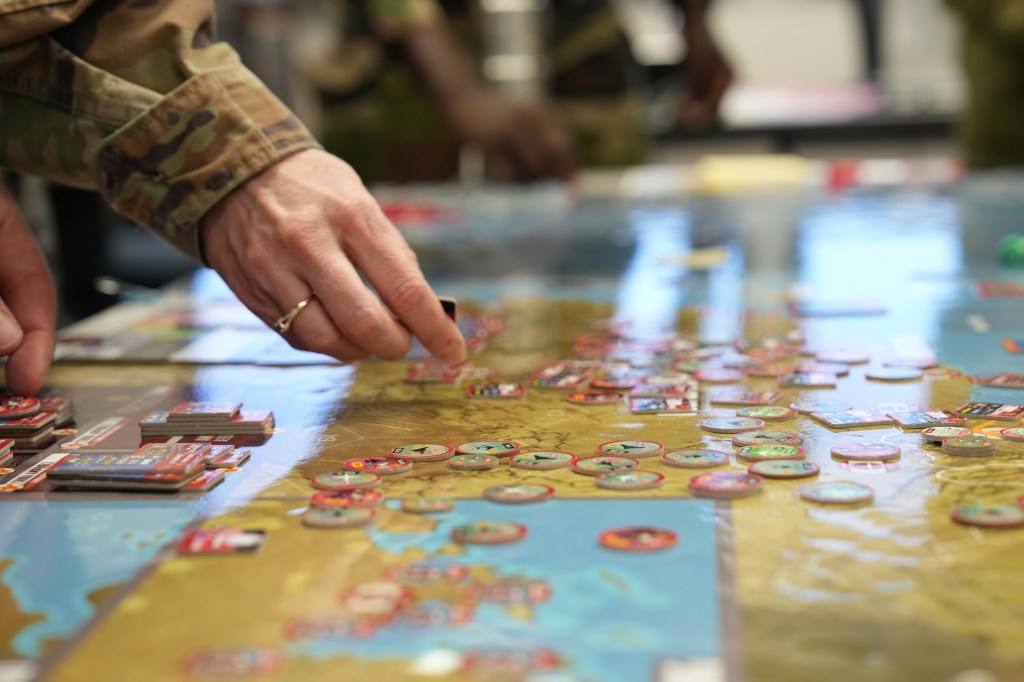
Wargaming is having its ‘Moneyball’ moment
Just like in baseball, the future of wargaming lies in a marriage of modeling and simulation, human expertise and AI.
-
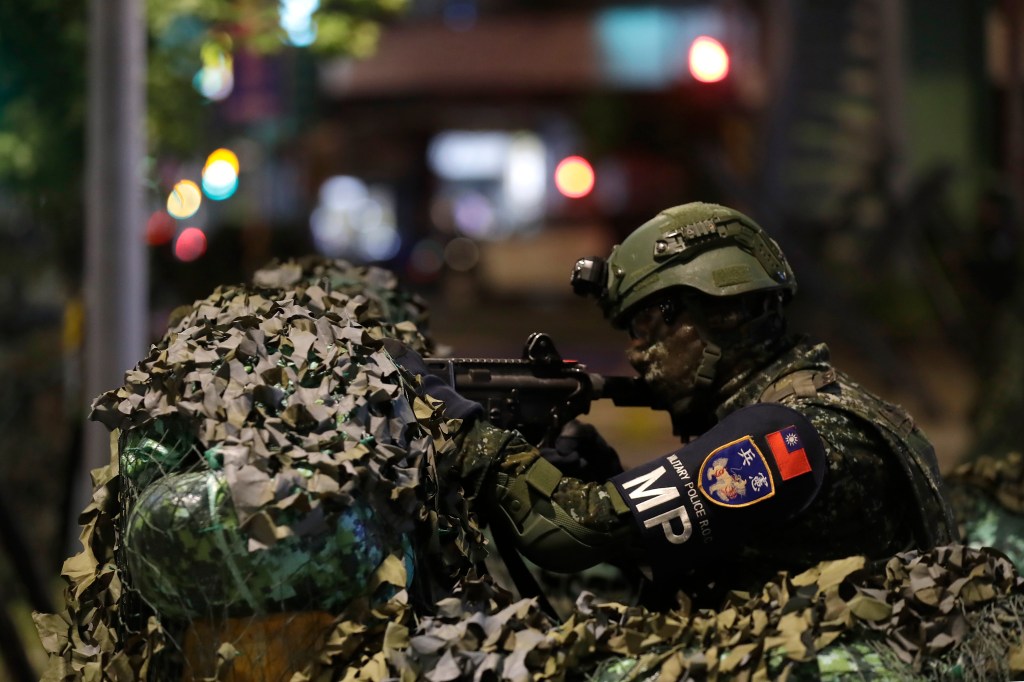
Taiwan’s Han Kuang drills demonstrate its quills are growing sharper
Taiwan has made significant but insufficient progress in building a military capable of deterring a cross-strait invasion.
-
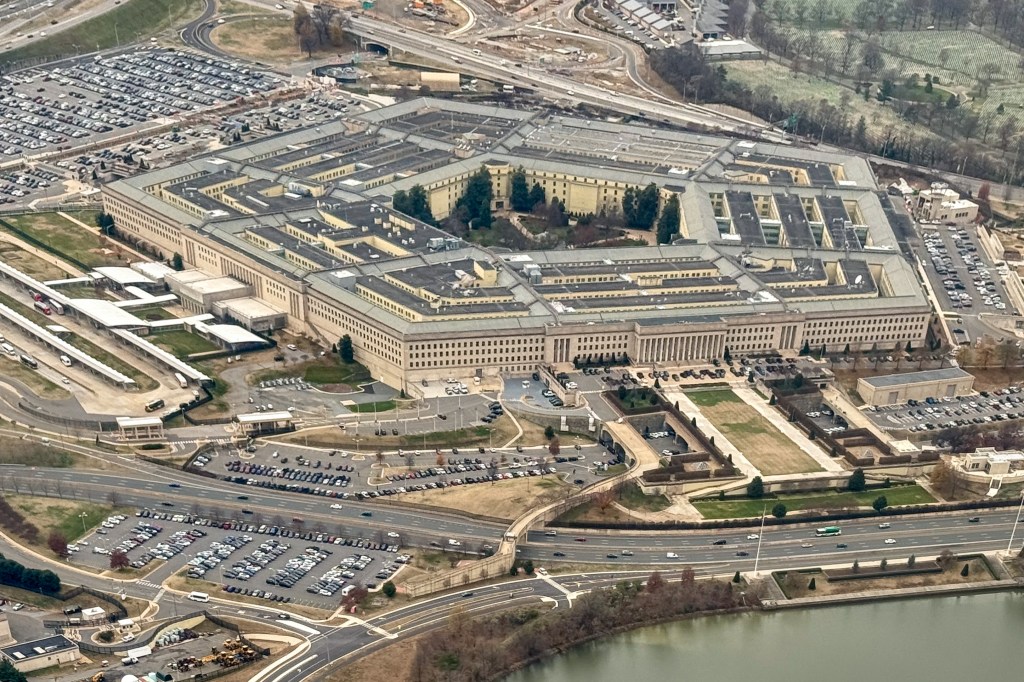
By cutting science, the Defense Department is eating its seed corn
Unless Congress intervenes and adequately funds science and technology, we are risking strategic failure, argues former Air Force secretary Frank Kendall.
-

What’s the key to better defense contracting? Measure what works.
The extent to which the U.S. is reaping benefits from supposedly agile contract instruments is mostly anecdotal, according to a new GMU study.
-

Why it’s hard to know the damage the US did to Iran’s nuclear program
Opinion: Analysts will need more intelligence from more sources to make a confident judgment about the effects on Fordo and Iran’s broader nuclear efforts.