-

They’re ‘all different’: Air Force adviser says services diverge on JADC2
“I’ve looked at all of the documentation associated with all three,” she said, referencing Project Convergence, Project Overmatch and the Advanced Battle Management System.
-
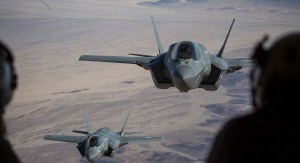
Battle from the skies: How aviation advances empower the Corps’ new combat plan
The “air” part has remained in a holding pattern as top aviators rethought how the air side will fit into the new Force Design 2030 plan.


-
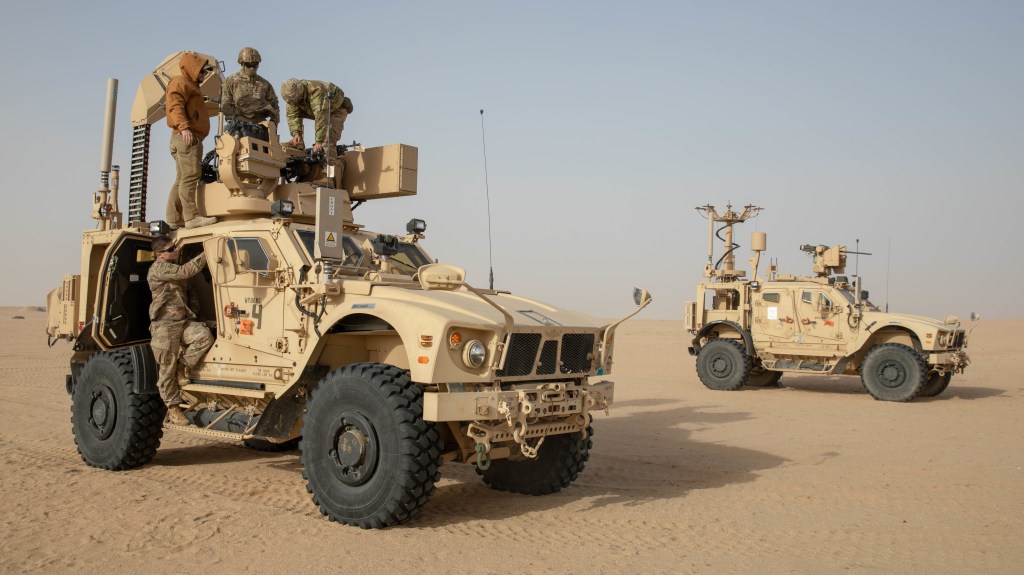
Leonardo DRS chief talks taking out drone swarms and what integrated sensing has in common with Tesla
The Army won’t be able to shoot down a swarm of enemy drones they way it would a single drone, Leonardo DRS CEO William Lynn said, so it needs a new strategy.
-
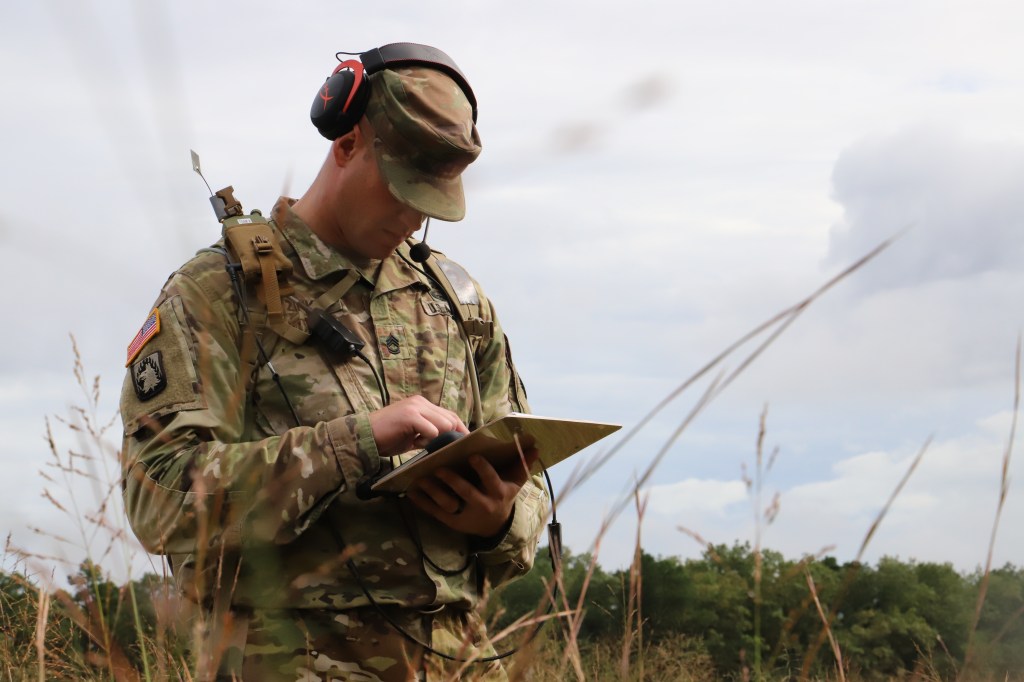
US Army tests aerial tier communications in Jersey Devil’s stomping ground
“We really saw how the aerial tier could extend our network, but we wanted to do some further evaluations,” said Army Brig. Gen. Jeth Rey, the director of the Network Cross-Functional Team.
-
Hypersonic missile launches off Marine Corps truck in DARPA test
The medium-range hypersonic missile was launched from the back of a Marine Corps logistics truck. Any USMC or Army trucks equipped with the Palletized Load System can be converted into a launch platform.
VIDEOS
More Videos
More Stories
-
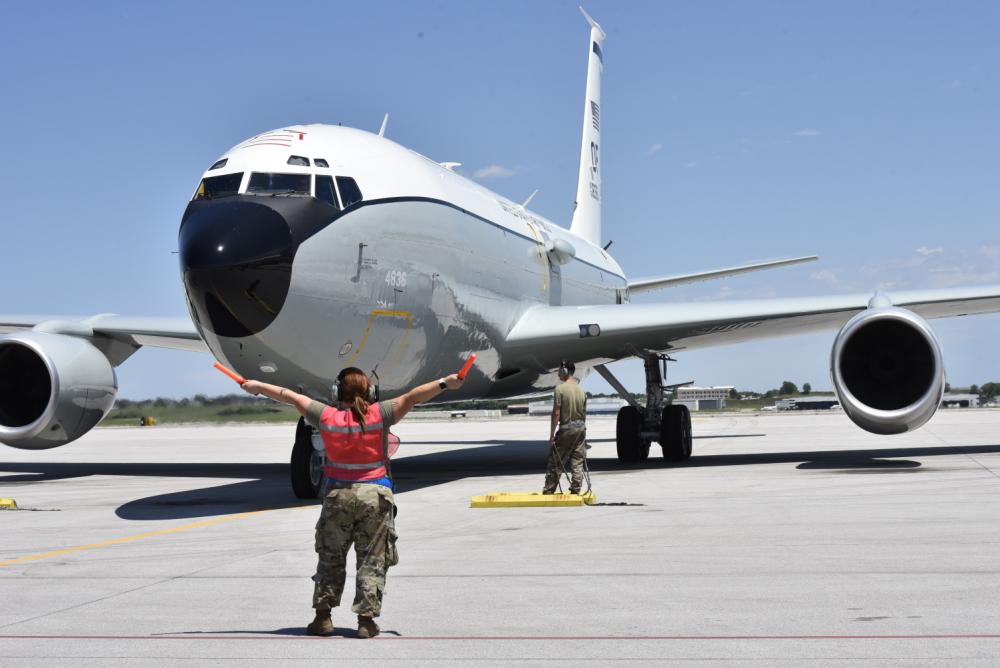
Another nuke-sniffing plane joins Offutt fleet
Offutt will receive three refurbished tankers-turned-nuclear reconnaissance planes in the next year.
-

Raytheon says upgraded aircraft landing system could help Air Force in conflict zones
The eJPALS precision landing system could be a key tool for the Air Force as it seeks to establish networks of spread out, light bases in austere locations.
-
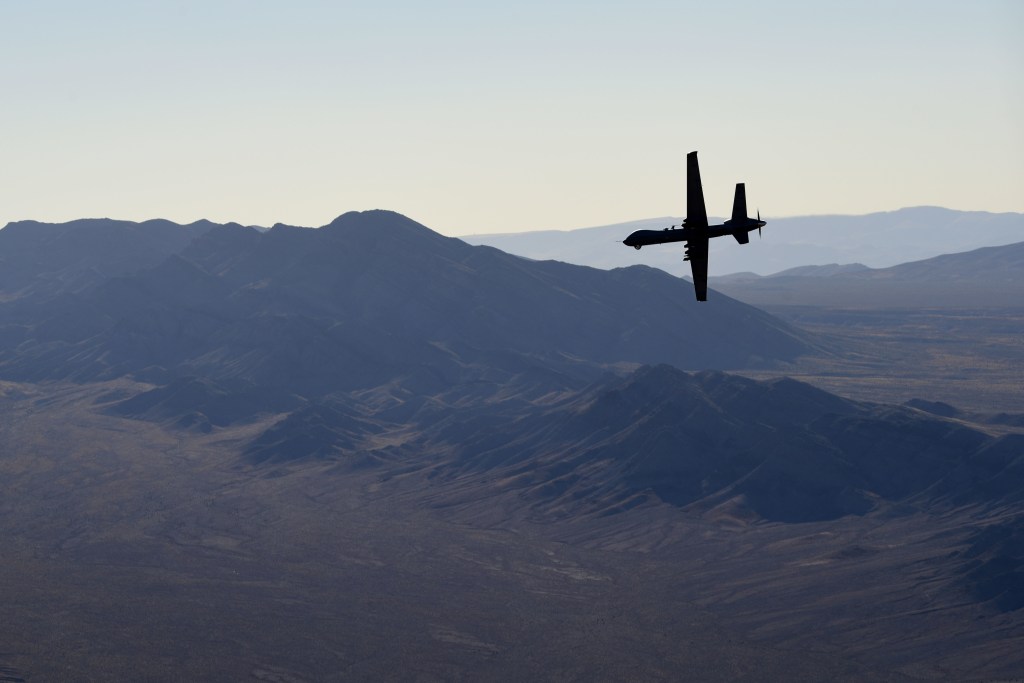
Marine Corps wants to test out partner drones, new MQ-9 Reaper payloads
The Marine Corps wants to increase its rapid prototyping fund by nearly a factor of six in 2023.
-
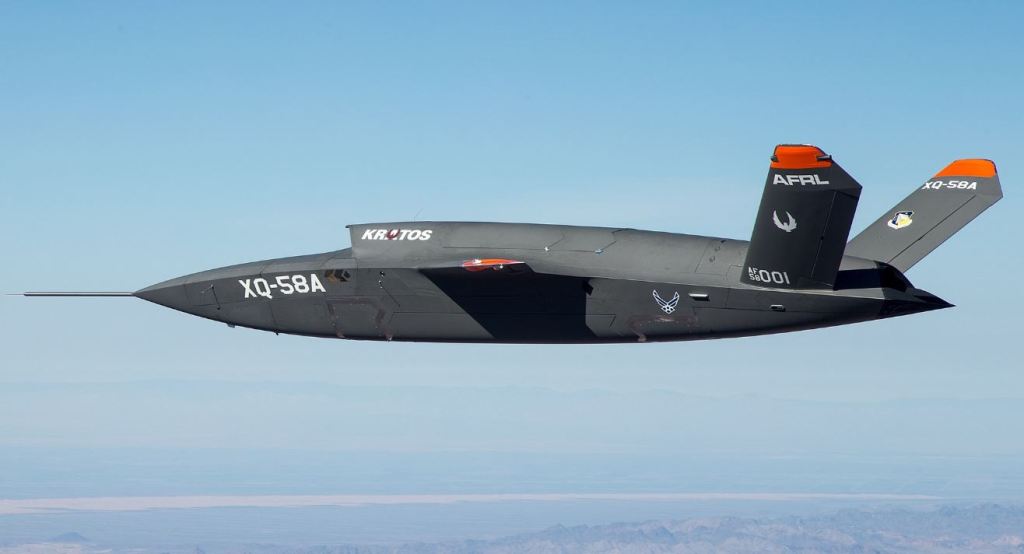
Valkyrie success may push Skyborg drone concept to other programs, Kratos says
“This is getting to the end of the Skyborg program, is where we are,” Kratos executive Jeffrey Herro said at Farnborough.
-
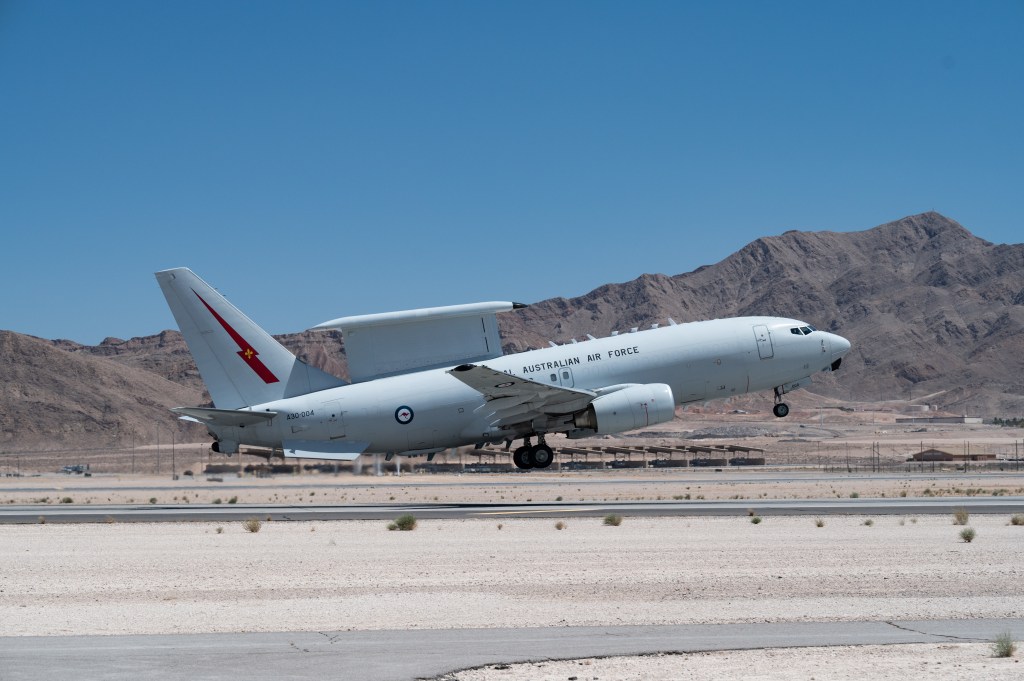
US Air Force says options limited for speeding deliveries of Wedgetail
Air Force acquisition chief Andrew Hunter said the E-7 Wedgetail’s capabilities are impressive, and a “night and day” difference from the old AWACS planes slated for retirement.
-
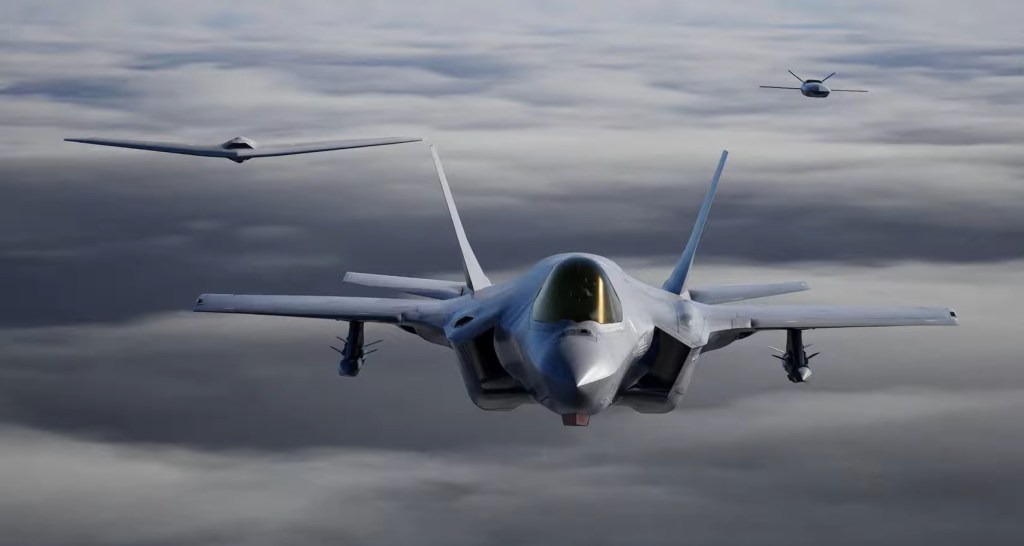
Lockheed working on expendable, advanced drones to team up with Air Force fighters
Lockheed Martin’s Skunk Works hopes to have expendable drones ready for the Air Force to use in the next few years, if a war with China breaks out.
-
Pentagon AI roadmap seen helping build warfighter, public trust
Department of Defense released an implementation plan for the responsible use of artificial intelligence.
-

Proposed JADC2 cross-service exercise belongs in Pacific, says Hudson’s Clark
Senators this year recommended an additional $245 million for Joint All-Domain Command and Control as well as the creation of a joint force headquarters at U.S. Indo-Pacific Command.
-

BAE Systems delivers new M-code GPS receivers to Germany under first non-US sale
Berlin placed the order for an undisclosed number of receivers in 2020 as a Foreign Military Sale (FMS) fulfilled through U.S. Space Systems Command (SSC).
-

US Space Force plan for rapid satellite launches may finally take off
The Space Force may finally be ready embrace the concept for responsive launch. Outside experts and military officials point to recent and planned demonstrations, momentum in the commercial sector and a growing acknowledgement of the threats to military space assets as reasons to think the service may overcome the bureaucratic, budgetary and technological hurdles that…
-

Pentagon’s secret JADC2 plan ‘evolving,’ official says, as lawmakers seek audit
“The implementation plan is not going to be a static document,” said Arsenio “Bong” Gumahad.
-
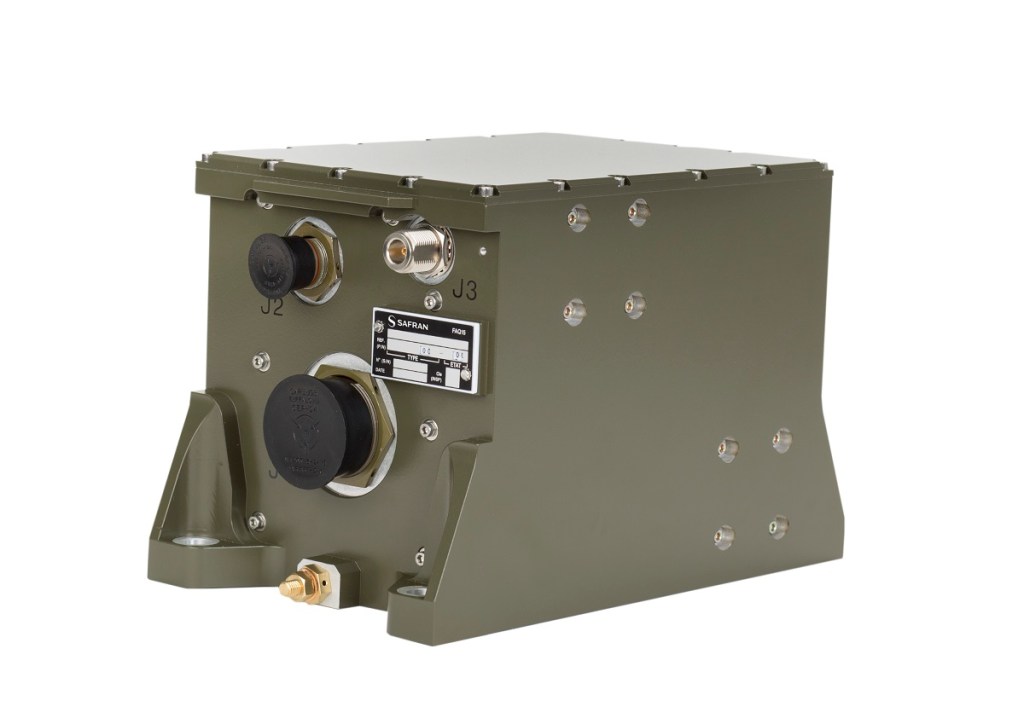
Safran unit agrees to acquire Orolia to expand in PNT market
Safran’s purchase will complete a “cohesive set of PNT architectures” to meet the needs of industries including aviation, defense and space, the company says.
-
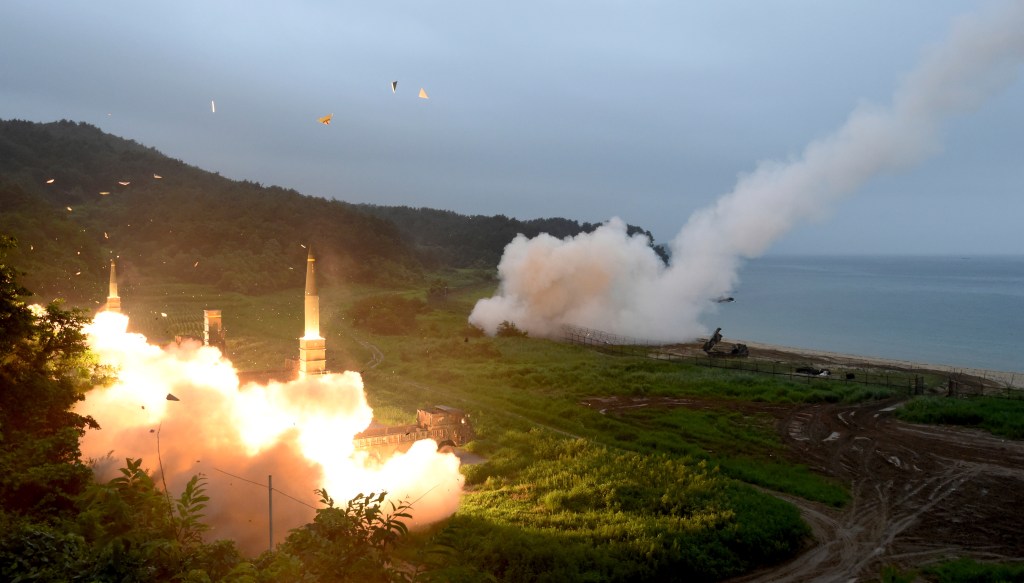
South Korea to create new command that would control strategic weapons
The command would give the orders to subordinate military assets to strike enemy targets or intercept hostile missiles as part of the Kill Chain strategy and the Korea Massive Punishment and Retaliation plan.
-

AT&T, 26 other companies join Air Force’s $950 million JADC2 effort
U.S. Air Force Secretary Frank Kendall considers the buildout of next-generation command and control an imperative, and in recent months called for more tangible, operational results and less arcane experimentation.
-
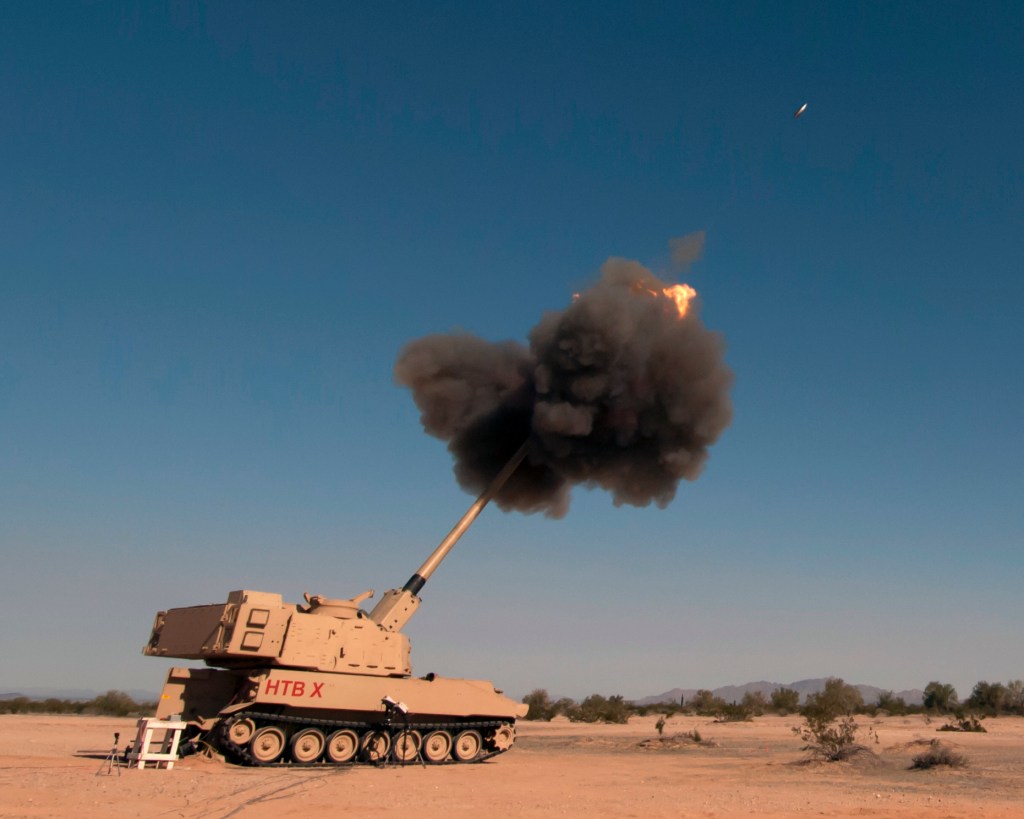
US Army awards $72 million for new phase in next-gen ground system effort
The Army awarded Palantir Technologies and Raytheon Technologies $36 million each to turn their TITAN designs into prototypes, and the service plans to choose a single provider at the end of the 14-month phase.
-
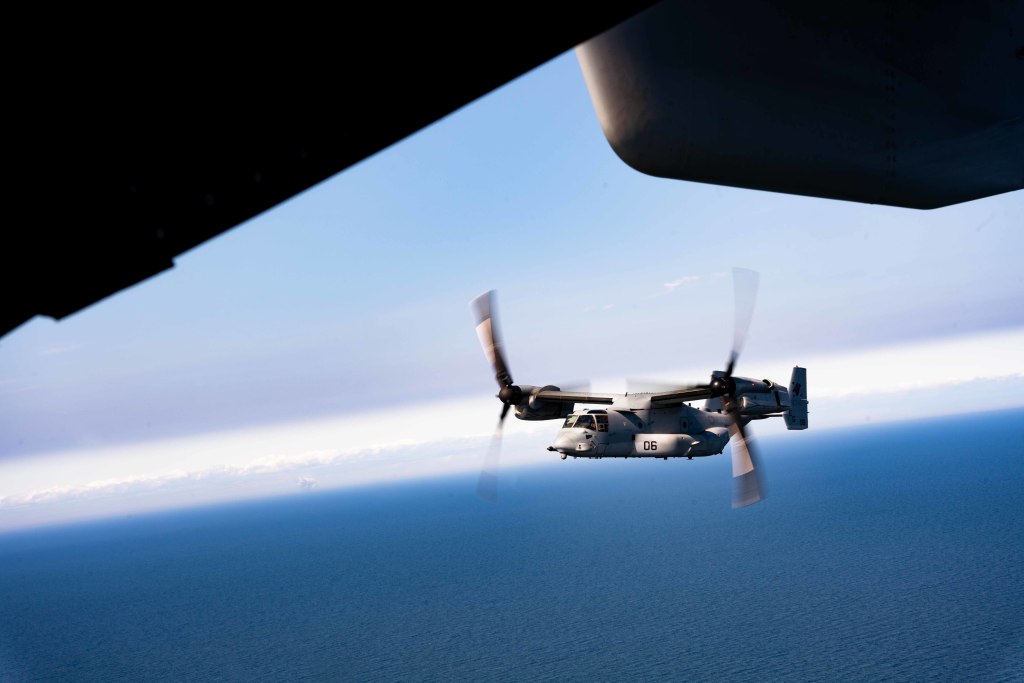
Viasat to test 5G networking for Marine Corps operations
The U.S. Marine Corps plans to conduct expeditionary advanced base operations in the near future, both for offensive and defensive reasons. But command and control remains a big barrier.