
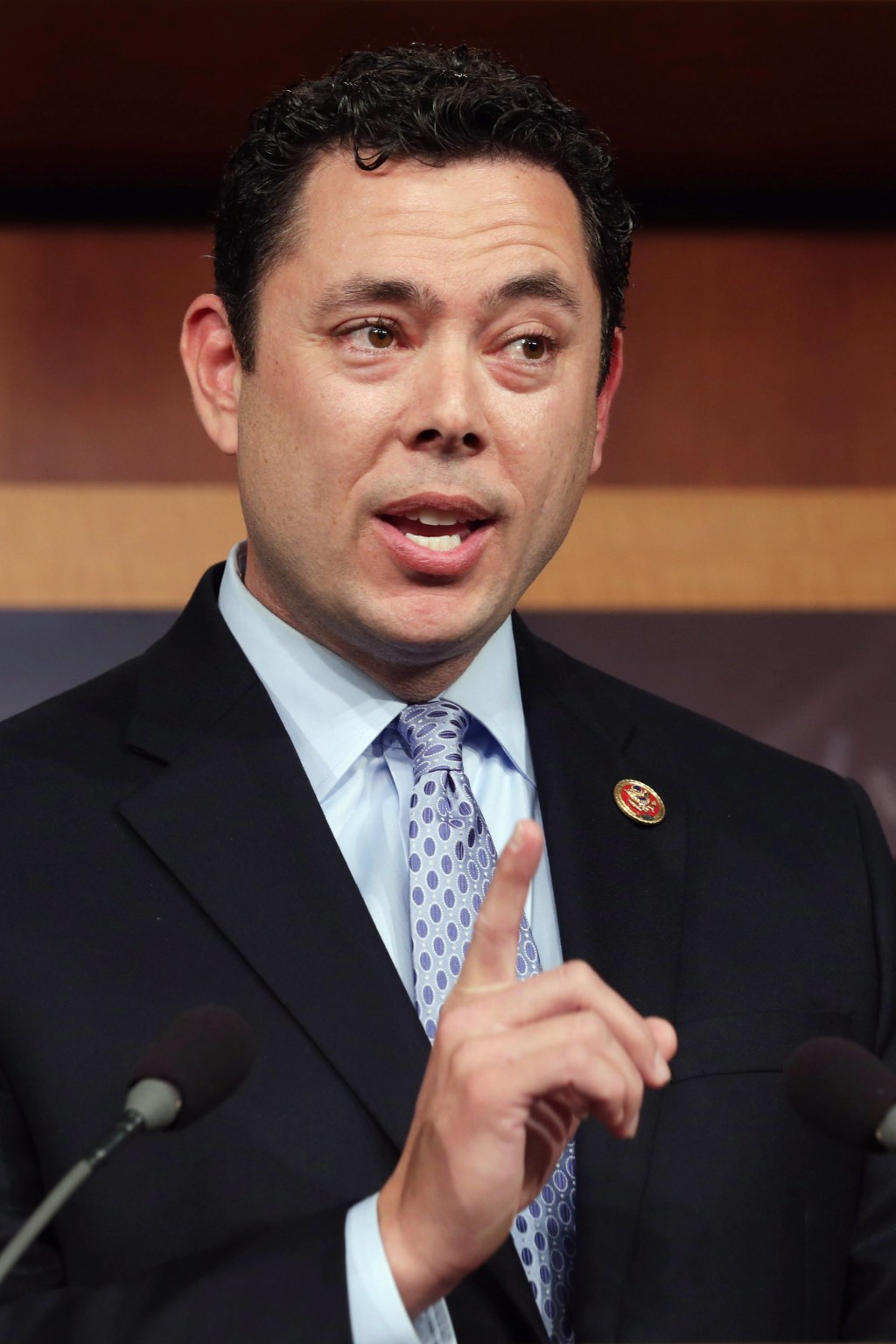
Rep. Jason Chaffetz, R.-Utah, introduced a bill on Nov. 2 to limit law enforcement’s use of so-called “Stingrays” to track cell phone signals.
“The abuse of Stingrays and other cell-site simulators by individuals, including law enforcement, could enable gross violations of privacy,” said Chaffetz, in a statement.
The bill comes after the Department of Justice released guidance on Sept. 3 for the appropriate use of Stingrays, which mimic the signals used by cell towers in order to track the phones and, in some cases, their content.
Chaffetz’s bill would put limitations on the use of the devices, also called cell-site simulators. According to the bill, law enforcement would be prohibited from using the devices, unless granted a warrant, were allowed to do so through foreign intelligence surveillance or were presented with an emergency situation that required it.
James Pascoe, executive director of the Fraternal Order of Police’s Steve Young Law Enforcement Legislative Advocacy Center, said that while the bill closely mirrors the DOJ guidance, its reach could be felt more on a local police departments.
“Generally speaking, [a Stingray] is a pretty easy operation to put into place, because there are no significant legal impediments to doing so,” he said.
“So any time—and this is particularly true of the smaller departments—you impose paperwork or applications or interactions with prosecutors or magistrates and so forth, it becomes more complicated. That doesn’t necessarily mean it’s unnecessary.”
A recent report from The Guardian uncovering IRS use said that 13 federal agencies and police departments in 20 states currently use the devices.
Pascoe added that the bill’s provisions do appear to give law enforcement workable avenues to use the technology for police work, but conceded that the legislation is at an early stage of development and the FOP would eagerly follow its progress in Congress.
“We look forward to the opportunity to have input as it evolves,” he said.
The Utah congressman noted that the bill came after a recent uproar over the use of Stingrays by agencies like the IRS.
“The fact that law enforcement agencies, and non-law enforcement agencies such as the IRS, have invested in these devices raises serious questions about who is using this technology and why,” he said. “These questions demonstrate the need for strict guidelines that carry the weight of the law.”
But Pascoe noted that the IRS itself has law enforcement operations, and could see a use for the Stingray technology as well.
“People think of them as just being out there collecting their taxes, but they play a very important role in a lot of money-laundering cases and financial crimes of all kinds,” he said. “As technology moves forward leaps and bounds, our ability to counteract illegal activity using that technology needs to stay apace.”
But while law enforcement does want all the tools it can get in its arsenal to fight crime, Pascoe added that there are limits that police are willing to respect.
“We want law enforcement to be able to take advantage of the rapidly advancing technology to the fullest extent possible, but not to the extent that it violates civil rights,” he said.


