
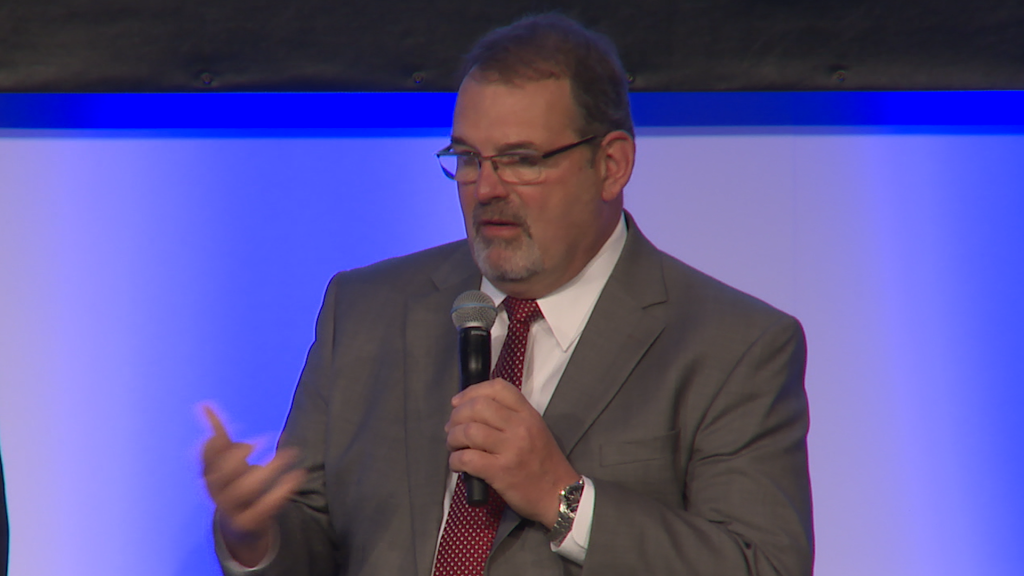
For the best of IT policies to thrive, the federal government has to double down on leadership. Because in the words of Federal CIO Tony Scott, “we’re leaving, and we’re leaving fast.”
That was one of the core messages that came from a CIO panel at the ACT-IAC Executive Leadership Conference. Whether it be retirement or the transition of administrations, many of the top executives shaping IT policy are moving on. The leaders of today must train the leaders of tomorrow.
But what are the priorities?
To Scott, government needs to transition to a place of security by design – baking into IT systems and networks the protections needed to ensure data security and integrity, rather than using what he described as “bubble wrap and an air bag wrapped around old stuff.”
That, of course, requires investment to replace technology that in some cases was designed two decades ago.
“It’s inconceivable to me that you can build the security you want with components that weren’t designed for the challenge,” he noted.
But in terms of general approach to leadership, David Bray, the CIO of the Federal Communications Commission pointed to the need for “informed risk taking,” with limited failure. He pointed with some admiration to entrepreneurs in Silicon Valley – those that don’t have the burden of legacy machines, and legacy code – not just software, but laws and policies as well. They can experiment, and then at the end of the day, they end up having an initial public offering.
“We don’t have that in public service,” he said. “Fail fast and fail often may work for those not in public service… [But] any one of us starts failing too much, maybe after the second time we’re out of a job. Be bold, build coalitions, protect your team, but at the end of the day move forward.”


