The title of the latest Government Accountability Office report on the 2020 Census says it all: Key Information Technology Decisions Must Be Made Soon.
The decennial count is still more than four years away. However, if the past is any indication, time is short.
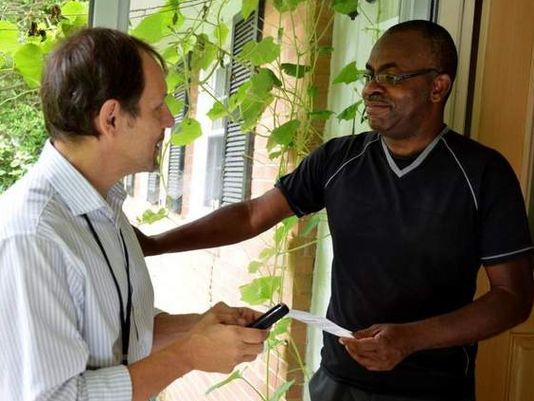
Census is looking at a number of ways technology could cut costs and help streamline the count, including giving enumerators mobile devices (or, potentially, access to apps for BYOD) and allowing citizens to be counted using an online portal.
“The bureau has not prioritized key IT-related decisions, which is a trend we have reported for the past few years,” the Nov. 3 report reads. “With less than two years remaining until the bureau plans to have all systems and processes for the 2020 Census developed and ready for end-to-end testing, it faces challenges that pose significant risk to the 2020 Census program.”
- Reengineering Address Canvassing: Updating the bureau’s address list to limit the need for enumerators to walk every street to verify addresses.
- Optimizing Self-Response: Enable citizens to self-report through an online portal. GAO notes this would require the bureau to “design and develop an Internet response application, develop and acquire the IT infrastructure to support a large volume of data processing and storage and plan communication and outreach strategies to motivate households to respond via the Internet.”
- Using Administrative Records: Expand use of data collected by federal and state government agencies, as well as commercial sources to reduce labor-intensive follow-ups.
- Reengineering Field Operations: Reviewing operations to limit the number of household visits and automating management of enumerators, including assignments and routing, with the goal of reducing the staffing, infrastructure and field offices needed for the count.
As of Oct. 6, Census had only accounted for about 47 percent of the 326 design decisions related to those four areas, according to GAO.
The bureau expects to begin preparing end-to-end testing for the entire process by August 2017.
Timely decisions needed for security and cost savings
The overall redesign of the census process is expected to reduce costs by approximately $5.2 billion.
Rep. Robin Kelly, D-Ill., ranking member of the House Oversight Subcommittee on Information Technology, lauded the bureau’s efforts but was wary of the government’s ability to protect the data being collected electronically.
Cybersecurity and other technical issues need to be worked out, and soon, Kelly said.
“I share GAO’s concerns that a number of important IT decisions have yet to be made,” she said. “GAO recommends that key IT decisions be made quickly or we’ll find ourselves in the situation we saw in 2010, where a costly IT project went awry, causing turmoil for the entire census operation.”
The 2010 Census — the most expensive to-date — cost $13 billion.
“The advent of technology holds the promise of making this once-a-decade enumeration less arduous and less costly,” he said. “Of course, success will be largely dependent on the management and deployment of that technology.”
That management will fall on the bureau’s CIO, a position that is currently vacant. Census posted a job opening on USAJobs, with a deadline for applications on Nov. 25.
“Until it takes actions we have previously recommended to address these challenges, the bureau is at risk of cost overruns, schedule delays and performance shortfalls, which will likely diminish the potentially significant cost savings,” according to the report.