Citizens still aren’t in love with their experience with the federal government, but they might be ready to turn the corner.
The American Customer Satisfaction Index’s Federal Government Report for 2015 showed that citizen expectations with government services dropped for the third consecutive year for 63.9 points, out of 100, but the rate of decline gives the survey’s authors hope that the government is improving.
“Although American citizens are less satisfied with federal services this year, ratings of the primary drivers of government satisfaction almost all improve slightly,” the report said. “Citizens find information received from agencies to be clearer and more accessible compared with a year ago.”
The score continues a slide that began in 2013 but only fell 0.5 points from the prior year, showing potential for a rebound in 2016.
The federal government actually improved in providing information to citizens, in the processes of working with citizens and in overall customer service from 2014 marks. The perception of the ease of using agency websites remains unchanged.
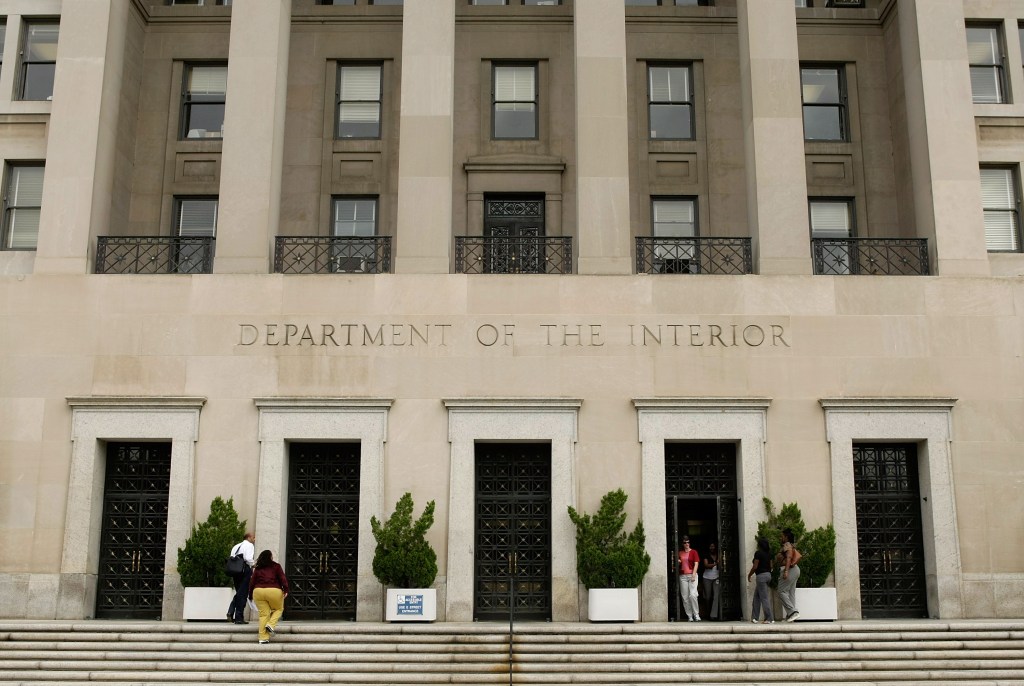
The Departments of the Interior, State and Defense were among the best agencies for customer satisfaction, scoring 70 points or more. Low scorers included the Departments of Veterans Affairs, Justice and Treasury.
The Department of Veterans Affairs notched 60 points, but the survey concluded its role in providing health care to a growing group of veterans could provide satisfaction challenges in the future. Treasury’s 55-point mark was attributed to customer interactions with the IRS, though survey respondents who e-filed their tax returns rated the agency 20 points higher, at 76, than those who filed paper returns.
Other agency’s scored high as well, including the Pension Benefit Guaranty Corporation, which earned a 91 from retirees and an 83 from “participant callers.”
The Small Business Administration Office of Disaster Assistance also received accolades, scoring 83 from renters and 81 from homeowners. Online appliers seeking student aid rated the Department of Education’s Free Application for Federal Student Aid office an 82.
The federal government still lags behind the private sector, which was led by a 79 score from the manufacturing and durable goods sector. Respondents ranked both federal and local government services both around 64 points.
Big Data could be another way for the federal government to not only improve services, but also learn what is working well for citizens. Greg Pellegrino, principal and customer strategy specialist at Deloitte Consulting, said government efforts to make services better should include a wider use of analytics.
“The Administration’s Building a 21st Century Digital Government memorandum has helped the government make great strides in customer experience, but more can be done such as a greater focus on customer feedback to drive innovations and improvements,” he said, in a statement.
“In a recent survey of Federal managers, we found that most federal agencies are not using analytics to define customer segments, a customer relationship management system, or aligning incentives with attention to customer-centric service. Listening to the customer and incorporating feedback would not only help the Federal Government improve its ACSI score, but more importantly, improve mission delivery by getting services to the American people in a more efficient and effective way.”
ACSI surveyed more than 2,000 respondents to evaluate their experiences with the federal government and the services it offers.