-

Making the NIST Cybersecurity Framework 2.0 work for you
The NIST Cybersecurity Framework represents an excellent starting point to taking a proactive cybersecurity approach.
-
NOAA’s budget is too small. That’s costing the US billions of dollars
With a fiscal year 2024 budget of $6.3 billion, the nation’s leading weather and climate agency remains significantly underfunded.
-

Can the federal government be a standard bearer for responsible AI?
Malicious actors can “use access to bulk data sets to fuel the creation and refinement of AI and threaten national security.”
-

Why every federal agency needs independent ombudsman on sexual assault
They should possess the same autonomy and authority as special prosecutors or attorneys general to carry out their duties without fear of interference.
-

How the government came to embrace good-faith hacking of its networks
Federal agencies are inoculating public IT infrastructure by not only listening to the Internet’s Immune System, but proactively inviting healthy input.
-

The troubling kaleidoscope of 2024 election security
Election systems, crucial to our democracy, face escalating threats from nefarious cyber tools and tactics like phishing, malware, and ransomware.
-

Power through fiscal year-end budgeting with AI, workflow automation
To execute their second-half blitz, federal managers must pore through mountains of data across thousands of programs.
-

Countering Chinese cyber threats of tomorrow demands we prepare today
For decades, the Chinese Communist Party has focused on espionage, stealing IP from our companies, and collecting private data.
-

How Unified Attack Surface Management future proofs fed cyberspace
The threat landscape has evolved far beyond the capability of traditional perimeter-based cyber defenses to contain.
-

Know your customer – as long as it’s not China
A proposed ‘Know Your Customer’ rule seeks to stop adversaries from getting their hands on advanced U.S. cloud and AI technologies.
-
Making the NIST Cybersecurity Framework 2.0 work for you
The NIST Cybersecurity Framework represents an excellent starting point to taking a proactive cybersecurity approach.
-
NOAA’s budget is too small. That’s costing the US billions of dollars
With a fiscal year 2024 budget of $6.3 billion, the nation’s leading weather and climate agency remains significantly underfunded.
-
Can the federal government be a standard bearer for responsible AI?
Malicious actors can “use access to bulk data sets to fuel the creation and refinement of AI and threaten national security.”
-
Why every federal agency needs independent ombudsman on sexual assault
They should possess the same autonomy and authority as special prosecutors or attorneys general to carry out their duties without fear of interference.
-
How the government came to embrace good-faith hacking of its networks
Federal agencies are inoculating public IT infrastructure by not only listening to the Internet’s Immune System, but proactively inviting healthy input.
-
The troubling kaleidoscope of 2024 election security
Election systems, crucial to our democracy, face escalating threats from nefarious cyber tools and tactics like phishing, malware, and ransomware.
-
Power through fiscal year-end budgeting with AI, workflow automation
To execute their second-half blitz, federal managers must pore through mountains of data across thousands of programs.
-
Countering Chinese cyber threats of tomorrow demands we prepare today
For decades, the Chinese Communist Party has focused on espionage, stealing IP from our companies, and collecting private data.
-
How Unified Attack Surface Management future proofs fed cyberspace
The threat landscape has evolved far beyond the capability of traditional perimeter-based cyber defenses to contain.
-
Know your customer – as long as it’s not China
A proposed ‘Know Your Customer’ rule seeks to stop adversaries from getting their hands on advanced U.S. cloud and AI technologies.
-

Making the NIST Cybersecurity Framework 2.0 work for you
The NIST Cybersecurity Framework represents an excellent starting point to taking a proactive cybersecurity approach.
-
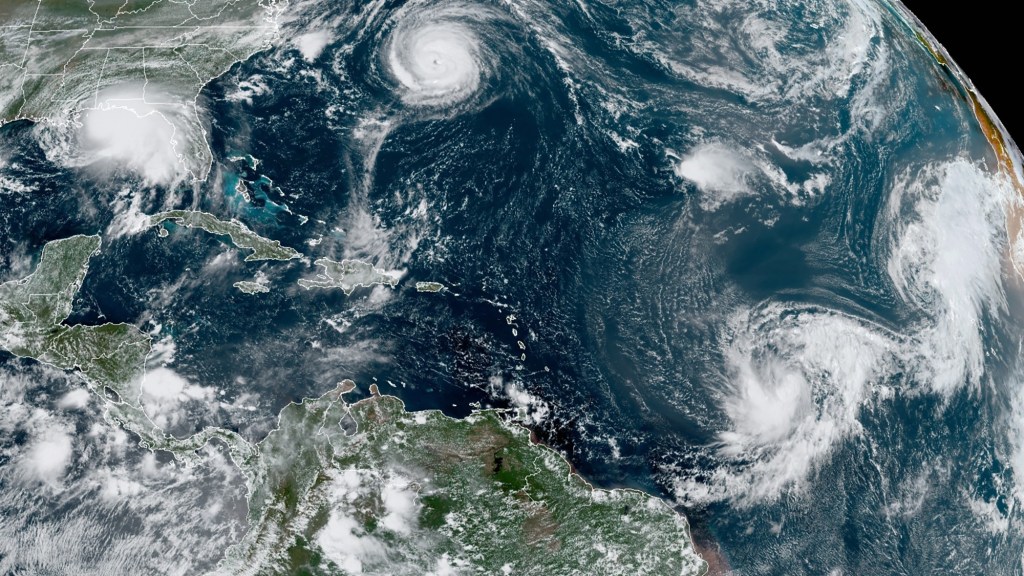
NOAA’s budget is too small. That’s costing the US billions of dollars
With a fiscal year 2024 budget of $6.3 billion, the nation’s leading weather and climate agency remains significantly underfunded.
-

Can the federal government be a standard bearer for responsible AI?
Malicious actors can “use access to bulk data sets to fuel the creation and refinement of AI and threaten national security.”
-

Why every federal agency needs independent ombudsman on sexual assault
They should possess the same autonomy and authority as special prosecutors or attorneys general to carry out their duties without fear of interference.
-

How the government came to embrace good-faith hacking of its networks
Federal agencies are inoculating public IT infrastructure by not only listening to the Internet’s Immune System, but proactively inviting healthy input.
-

The troubling kaleidoscope of 2024 election security
Election systems, crucial to our democracy, face escalating threats from nefarious cyber tools and tactics like phishing, malware, and ransomware.
-

Power through fiscal year-end budgeting with AI, workflow automation
To execute their second-half blitz, federal managers must pore through mountains of data across thousands of programs.
-

Countering Chinese cyber threats of tomorrow demands we prepare today
For decades, the Chinese Communist Party has focused on espionage, stealing IP from our companies, and collecting private data.
-

How Unified Attack Surface Management future proofs fed cyberspace
The threat landscape has evolved far beyond the capability of traditional perimeter-based cyber defenses to contain.
-

Know your customer – as long as it’s not China
A proposed ‘Know Your Customer’ rule seeks to stop adversaries from getting their hands on advanced U.S. cloud and AI technologies.