-

The sanctions against China will continue until morale improves
The Biden administration, which for years demanded everyday Americans move toward renewable energy, is now criticizing China for providing them options.
-
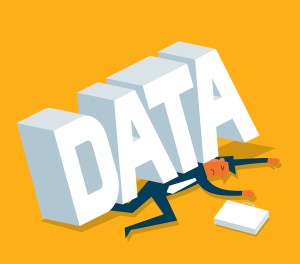
Ballooning data volumes threaten to asphyxiate federal agencies
Navigating this deluge while ensuring data integrity, security and compliance presents a significant challenge.
-
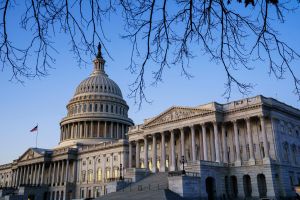
Congress should address recurring cases of cyber espionage at home
It should be focusing on improving the cybersecurity practices of the domestic actors who repeatedly allow this foreign hacking to occur.
-

How to boost customer experience with secure cross-agency data sharing
The Federal Data Strategy directs agencies to assess and proactively address the procedural, regulatory, legal and cultural barriers to sharing data.
-

Beyond Article 5: NATO’s Pacific watch and collective self-defense
While NATO has largely existed in a peace-preserving capacity, Article 5 guarantees collective self-defense if a member nation is attacked.
-

From hope to action: It’s time for US-Japan relations to go global
The U.S. and Japan together have all of the elements necessary to set the pace on leading-edge strategic and defense technology innovation.
-

Why Volt Typhoon chose routers to target critical US infrastructure
Routers are targeted because they can connect networks to the internet, as well as connecting and controlling traffic across internal networks.
-

Lawmakers still benefitting from share trading in defense stocks
The potential for unethical stock trading may be worse for military corporations than any other, the authors argue.
-

How federal agencies can separate AI hype from reality
Be wary of claims that an AI solution can effortlessly scale to meet any demand. Scalability is a significant challenge in AI.
-

Adding to regulatory burdens doesn’t necessarily improve cybersecurity
Pursuing such policies may actually reduce national security by diverting resources from legitimate activities to secure networks and systems.
-
The sanctions against China will continue until morale improves
The Biden administration, which for years demanded everyday Americans move toward renewable energy, is now criticizing China for providing them options.
-
Ballooning data volumes threaten to asphyxiate federal agencies
Navigating this deluge while ensuring data integrity, security and compliance presents a significant challenge.
-
Congress should address recurring cases of cyber espionage at home
It should be focusing on improving the cybersecurity practices of the domestic actors who repeatedly allow this foreign hacking to occur.
-
How to boost customer experience with secure cross-agency data sharing
The Federal Data Strategy directs agencies to assess and proactively address the procedural, regulatory, legal and cultural barriers to sharing data.
-
Beyond Article 5: NATO’s Pacific watch and collective self-defense
While NATO has largely existed in a peace-preserving capacity, Article 5 guarantees collective self-defense if a member nation is attacked.
-
From hope to action: It’s time for US-Japan relations to go global
The U.S. and Japan together have all of the elements necessary to set the pace on leading-edge strategic and defense technology innovation.
-
Why Volt Typhoon chose routers to target critical US infrastructure
Routers are targeted because they can connect networks to the internet, as well as connecting and controlling traffic across internal networks.
-
Lawmakers still benefitting from share trading in defense stocks
The potential for unethical stock trading may be worse for military corporations than any other, the authors argue.
-
How federal agencies can separate AI hype from reality
Be wary of claims that an AI solution can effortlessly scale to meet any demand. Scalability is a significant challenge in AI.
-
Adding to regulatory burdens doesn’t necessarily improve cybersecurity
Pursuing such policies may actually reduce national security by diverting resources from legitimate activities to secure networks and systems.
-
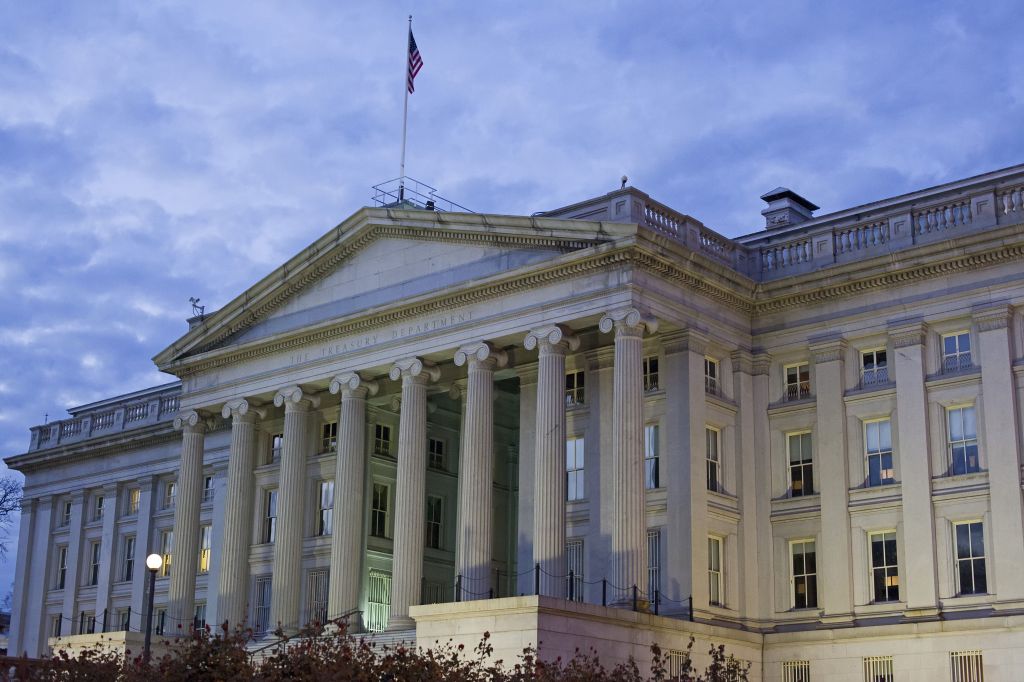
The sanctions against China will continue until morale improves
The Biden administration, which for years demanded everyday Americans move toward renewable energy, is now criticizing China for providing them options.
-

Ballooning data volumes threaten to asphyxiate federal agencies
Navigating this deluge while ensuring data integrity, security and compliance presents a significant challenge.
-
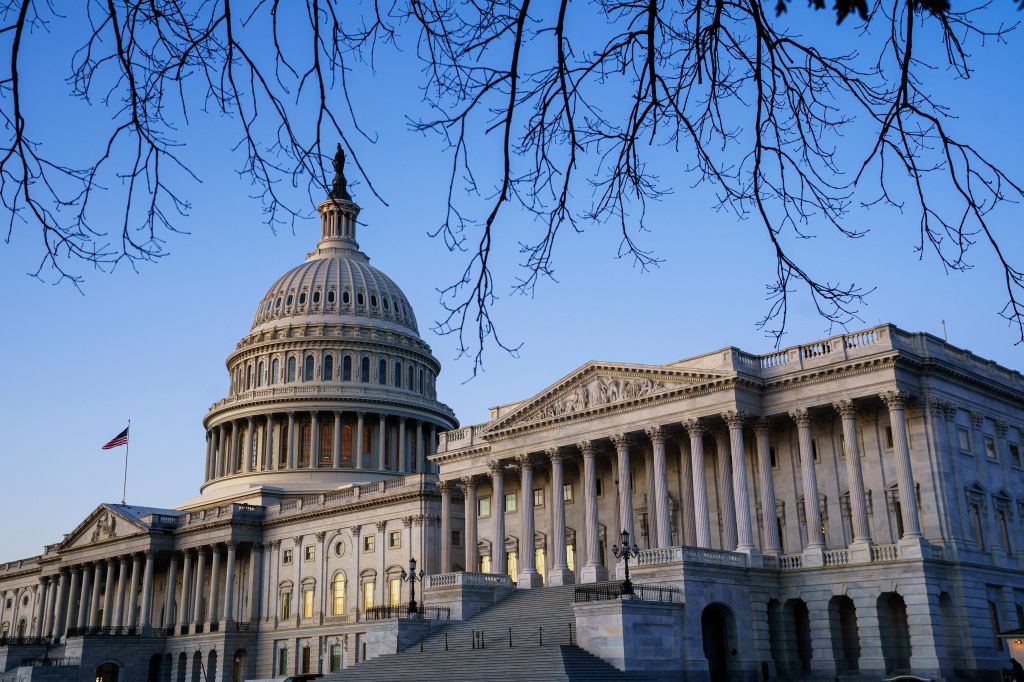
Congress should address recurring cases of cyber espionage at home
It should be focusing on improving the cybersecurity practices of the domestic actors who repeatedly allow this foreign hacking to occur.
-

How to boost customer experience with secure cross-agency data sharing
The Federal Data Strategy directs agencies to assess and proactively address the procedural, regulatory, legal and cultural barriers to sharing data.
-

Beyond Article 5: NATO’s Pacific watch and collective self-defense
While NATO has largely existed in a peace-preserving capacity, Article 5 guarantees collective self-defense if a member nation is attacked.
-

From hope to action: It’s time for US-Japan relations to go global
The U.S. and Japan together have all of the elements necessary to set the pace on leading-edge strategic and defense technology innovation.
-

Why Volt Typhoon chose routers to target critical US infrastructure
Routers are targeted because they can connect networks to the internet, as well as connecting and controlling traffic across internal networks.
-

Lawmakers still benefitting from share trading in defense stocks
The potential for unethical stock trading may be worse for military corporations than any other, the authors argue.
-

How federal agencies can separate AI hype from reality
Be wary of claims that an AI solution can effortlessly scale to meet any demand. Scalability is a significant challenge in AI.
-
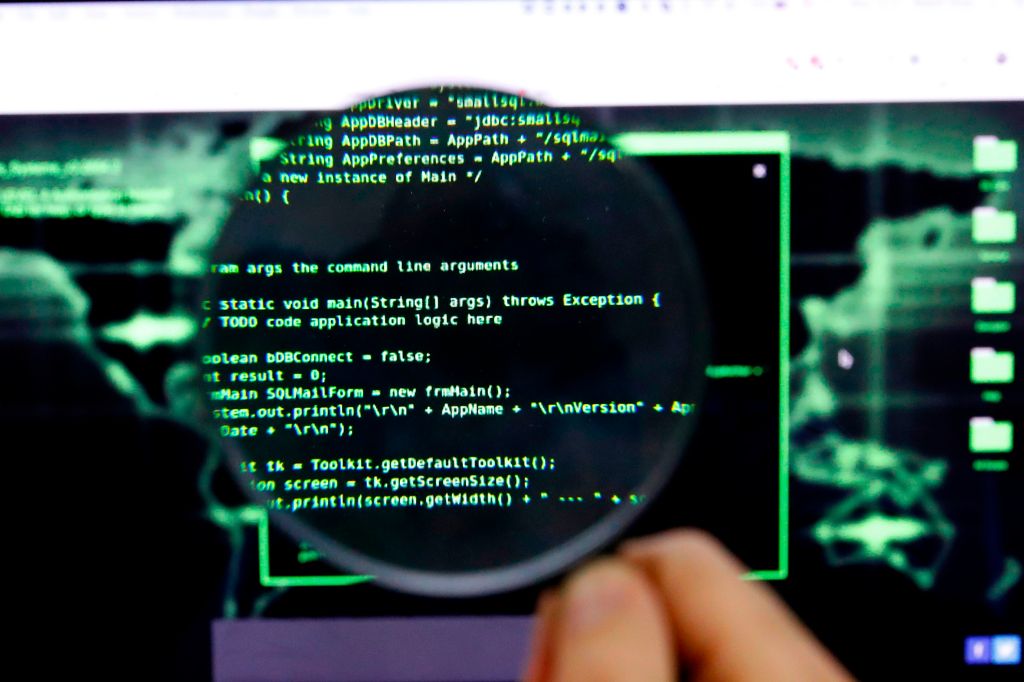
Adding to regulatory burdens doesn’t necessarily improve cybersecurity
Pursuing such policies may actually reduce national security by diverting resources from legitimate activities to secure networks and systems.