The U.S. now faces an “unprecedented range of threats” in the digital domain, the nation’s CIA director said.
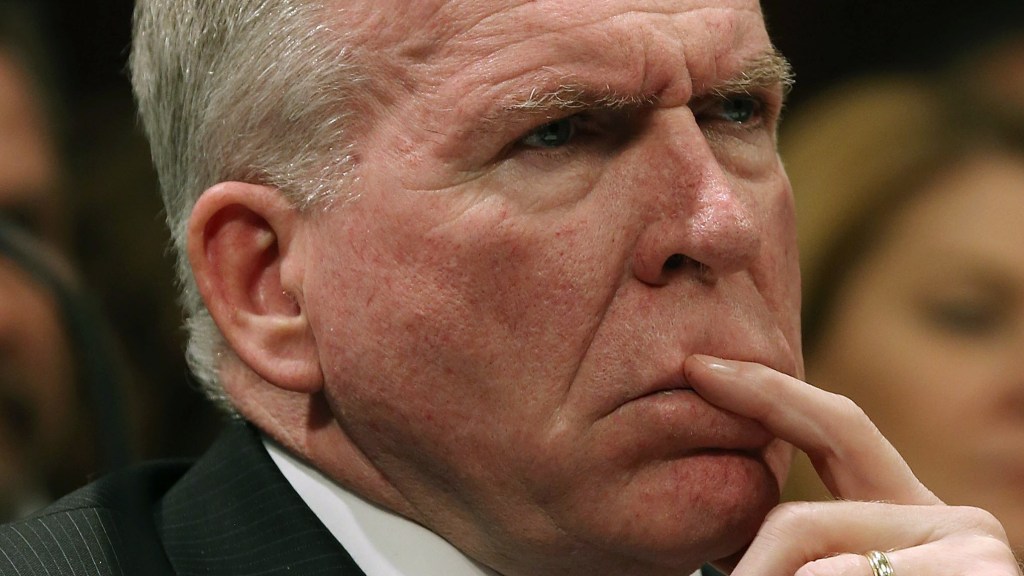
Central Intelligence Director John Brennan outlined some of the threats during a recent talk at the Cyber Georgia conference at Augusta University, the Augusta Chronicle reported.
Georgia is home to a key facility in the U.S. military’s cybersecurity efforts. In 2013, military officials announced that the U.S. Army Cyber Command Headquarters will be at Fort Gordon in Augusta.
“I think this community represents the marriage of the private and public sector,” Brennan told reporters at the conference after his Thursday keynote address.
“We have Fort Gordon and Augusta University, which is really determined to bring together the representatives from the different sectors of society and recognize that cybersecurity affects us all,” he said. “It’s something that we really need to all work on.”
In fiscal 2014, federal agencies were the target of more than 640,000 cyber-related incidents, Brennan said.
“We have been told to expect what’s been called a cyber tsunami,” Augusta University President Brooks Keel said, adding that “Augusta has got to be ready.”
Former U.S. Sen. Saxby Chambliss, who also spoke at the event, said he used to speak about cybersecurity and get little response, but now it’s a topic no one can ignore.
“The No. 1 issue in every boardroom of American companies today is cybersecurity,” Chambliss said. “It’s that important and it’s reached that high a profile.”
National security officials began Georgia’s largest cyber summit Wednesday by finalizing a deal allowing soldiers at the National Security Agency’s Fort Gordon complex to obtain degrees at Augusta University, the Augusta newspaper reported.
The agreement, signed by the university and the NSA’s National Cryptologic School, and scheduled to start this spring, will enable a pilot class of 25 military personnel at Augusta’s NSA intelligence-gathering facility the chance to earn bachelor’s degrees in one of four career tracks, such as political science and international relations.