Corps officials will soon begin screening more than 3,000 Marines for special duty assignments in a series of visits to installations across the service.
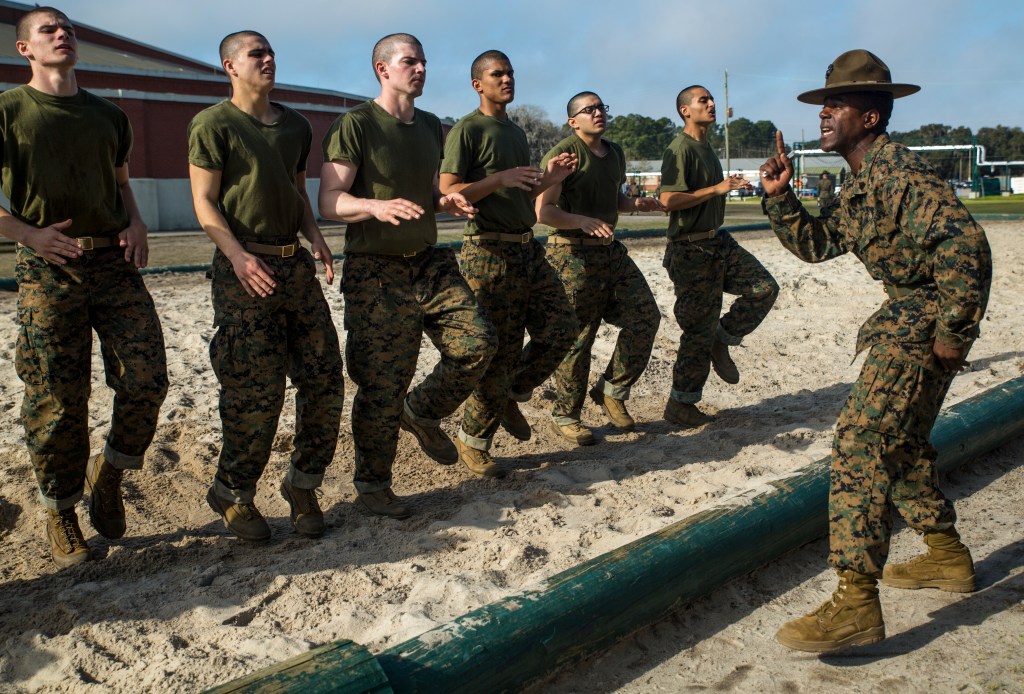
Screening teams are Formally known as the Headquarters Marine Corps Special Duty Assignments Screening Team, the HSST is slated to visit eight installations between late May and early June to consider Marines for one of five SDAs including recruiter, drill instructor, combat instructor, Marine security guard or Marine security forces guard. Those selected tapped could be sent to SDA schoolhouses as early as attend schools beginning October.
Commanders are now required to inform and pre-screen Marines who are on the screening list, which was released April 3 via the Automated Message Handling System. By No later than May 18, those commanders should certify the Marines are s eligible for an SDA and “are encouraged to specifically recommend a final SDA duty based on the unique qualifications of the Marine and a [fiscal year 2016]FY16 class date that best serves the needs of the command,” according to reads Marine administrative message 117/15, signed April 3.
In order to address shortages of noncommissioned officers and staff NCOs in some units, the new policy provides commanders with the chance to offer input about when Marines depart for SDA schoolhouses. And since they likely know their Marines’ strengths and weaknesses, they can also offer input about what assignment might be the best fit for them.
“[In] the new model they get to say, ‘…I think he’d make a great DI, and I’d really appreciate you taking him on the first class of the year. I don’t need him anymore; he’s done his important job,’” Lt. Col. Rory Quinn, head of Manpower’s Enlisted Assignment section, told Marine corps times in March. “Alternatively, he could say, ‘I’ve got a major inspection coming up in April. If you could put him in the last class of the year … that would be helpful.’”
Commanders must later ensure their Marines report for HSST interviews with both screening and financial checklists in hand. Even so, Marines may have to undergo additional scrutiny as the screening process has been toughened this year.
Marines are expected to appear in the service “charlies,” but should bring physical training gear so that height and weight certifications, tattoo screenings and physical fitness tests can be conducted, as needed, according to the MARADMIN. While they Those should already be documented in a Marine’s official military personnel record, but the screening team can re-validate them or have a Marine conduct a PFT if they have not completed their annual test by the time the board visits.
Last year January, officials also tightened MSG-specific standards requiring first-class PFT scores, higher general technical scores and a minimum height of 5 feet 4 inches to observe embassy lobbies without obstruction from Post One.
Corps officials say it’s important for Marines to appear on the screening dates so they can argue in favor of their preferred assignment. Their commander’s recommendation is not final. Screening teams also consider a Marine’s unique qualifications or personal circumstances and also weigh the needs of the Corps. as the needs of the Corps at large are weighed and as the screening team considers a Marine’s unique qualifications and personal circumstances.
It should be noted that fFailure to appear could mean a Marine is involuntarily assigned to an SDA. does not mean a Marine will not be involuntarily assigned an SDA. MSG duty is the only voluntary assignment, failing to attend could mean that is voluntary and Marines may receive assignments commonly considered rigorous and less desirable, like recruiting duty.
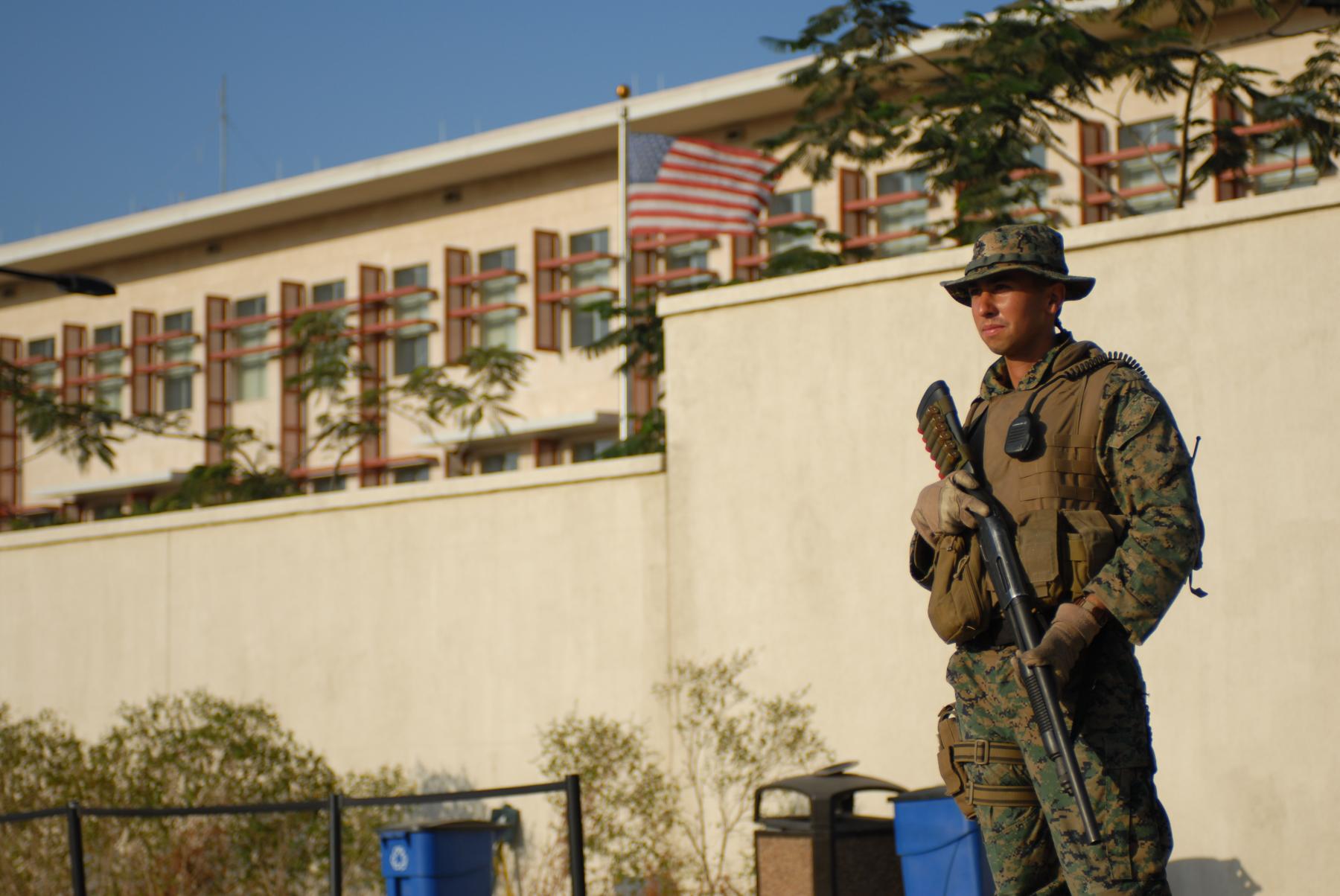
A U.S. Marine from Alert Contingency Platoon 6, 1st Fleet Anti-terrorism, Norfolk, Va., stands guard outside the U.S. embassy in support of Operation Unified Response.
Photo Credit: Sgt. Richard Andrade/Army
Of the 3,193 more than 3,000 Marines slated for screening in coming months, 952 reside at installations the teams won’t HSST will not visit. Those Marines may travel to another installation at the cost of their command, or may submit their screening materials and conduct an alternate means of interview, such as a by video conference perhaps.
To streamline the entire process, officials have worked to trim the list of Marines initially tapped for SDA screening. That avoids putting hundreds in an unnecessary holding pattern since those once tapped for screening Marines cannot deploy or move stations if it could potentially conflict with a future assignment to an SDA schoolhouse.This year, instead of setting aside 14,000 Marines, just about 7,000 were tapped, Quinn said. Of those, only 3,000 selected for an assignment — plus a smaller amount of alternates — ultimately will be placed on hold.That leaves thousands more available for other jobs around the Corps, Quinn said.But the process has arguably gotten tougher this year as those now tapped are more carefully screened.
Marines whose names were not on the screening list, but are interested in volunteering for an SDA may also attend the scheduled visits. submit to the HSST via the Total Force Retention System. If they apply online and appear with a completed checklist, they will be screened and possibly assigned.
The screening teams will visit the following baseswill visit:
- Marine Corps Base Quantico, Virginia, on May 20-21.
- Camp Foster in Okinawa, Japan, on May 20-22.
- Marine Corps Base Kaneohe Bay, Hawaii on May 26.
- Marine Corps Air Ground Combat Center Twentynine Palms, California, on May 28-29.
- Camp Pendleton, California, on June 1-3.
- Marine Corps Air Station Miramar, California, on June 4-5.
- Camp Lejeune, North Carolina, on June 8-9.
- MCAS Cherry Point, North Carolina, on June 10.
Staff writers Gina Harkins and Derrick Perkins contributed to this report.