Editor’s note: A June 6 version of this story mischaracterized the Marine presence in Cuba. At some point following the 1961 break in diplomatic relations, a contingent has served at an interest section there. State Department officials declined to provide additional details.
The recent thaw in U.S.-Cuba relations could soon expand a new choice tropical assignment to for Marines embassy guards.
Marine and diplomatic officials are tight-lipped on where negotiations to open embassies in Washington and Havana stand, but one preeminent Cuba expert says he expects an announcement soon — possibly in as little as a month.
“It was rumored that Secretary of State John Kerry “wanted to go open it himself, but I’m not sure if that will be delayed now that he isn’t so mobile,” said William LeoGrande a professor of government at American University’s School of Public Affairs. He was referring to Kerry’s May 31 bike accident in France, in which he broke his right leg.
In January, announcement by the Obama administration announced it would normalize relations with Cuba and on May 29, the State Department removed the country from its list of state sponsors of terrorism. That follows a January announcement by the Obama administration that it would normalize relations.The actions paved Paving the way for Marine security guards to return to a formal embassy compound on the island-nation for the first time in more than half a century.
There have already been three to four rounds of high-level talks, which suggests many details, including the establishment of embassies, may already be tentatively agreed upon, said LeoGrande, author of “a repeat traveler to Cuba who recently authored “Back Channel to Cuba: The Hidden History of Negotiations Between Washington and Havana.”
When Marines get the go-ahead, a lucky few will be the first to raise a U.S. flag over an embassy compound there since it was they hastily lowered it in January, of 1961. As relations soured and diplomatic ties were severed with Cuba’s communist government two years after rebels led by Fidel Castro toppled dictator Fulgencio Batista, Marines got the call to destroy classified information, case the colors and leave the country.
Marines who do go should if an when a new embassy be is opened are likely to have a great time when not on duty, said LeoGrande, a repeat traveler to Cuba.
“Cubans like Americans. We’ve always had a cultural affinity and many Cubans would still like to come to the U.S.,” said LeoGrande, who has served on both the Senate Democratic Policy Committee and the House Democratic Caucus Task Force on Central America.
The reception is general very positive,” he said.
He cautioned that like any place, there are low-level risks. A Marine in the wrong neighborhood at night might get mugged. But the Caribbean island is absent the sort of post-9/11 threats U.S. personnel face in other corners of the globe that can effectively sequester Marines in the embassy compound.
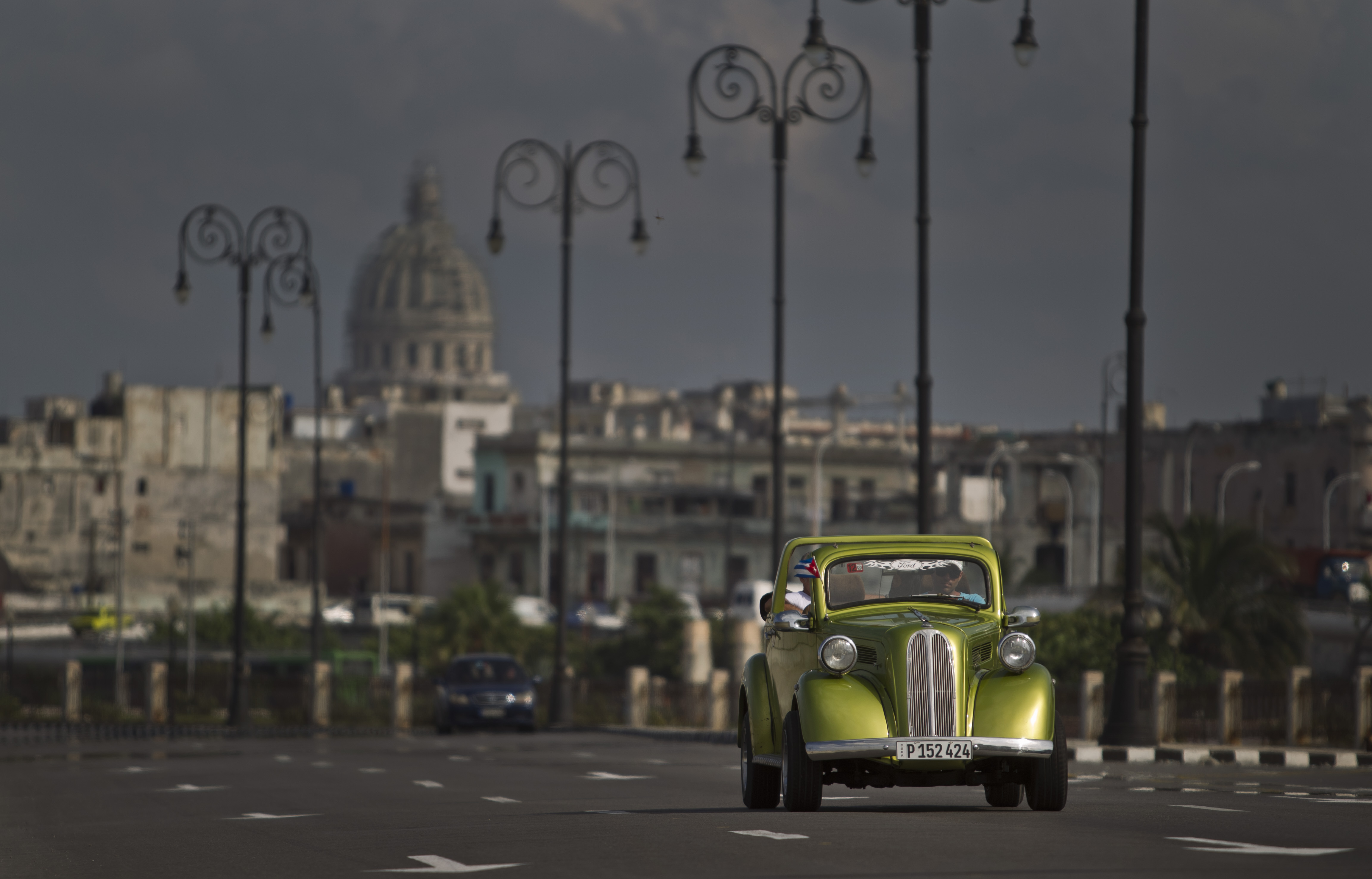
In this Oct. 15, 2014 photo, a man drives a classic American car on The Malecon in Havana, Cuba. This classic still running on the streets of Havana is part of a fleet of classic cars that have become an icon of tourism in the socialist nation. (AP Photo/Franklin Reyes)
Photo Credit: Franklin Reyes, AP
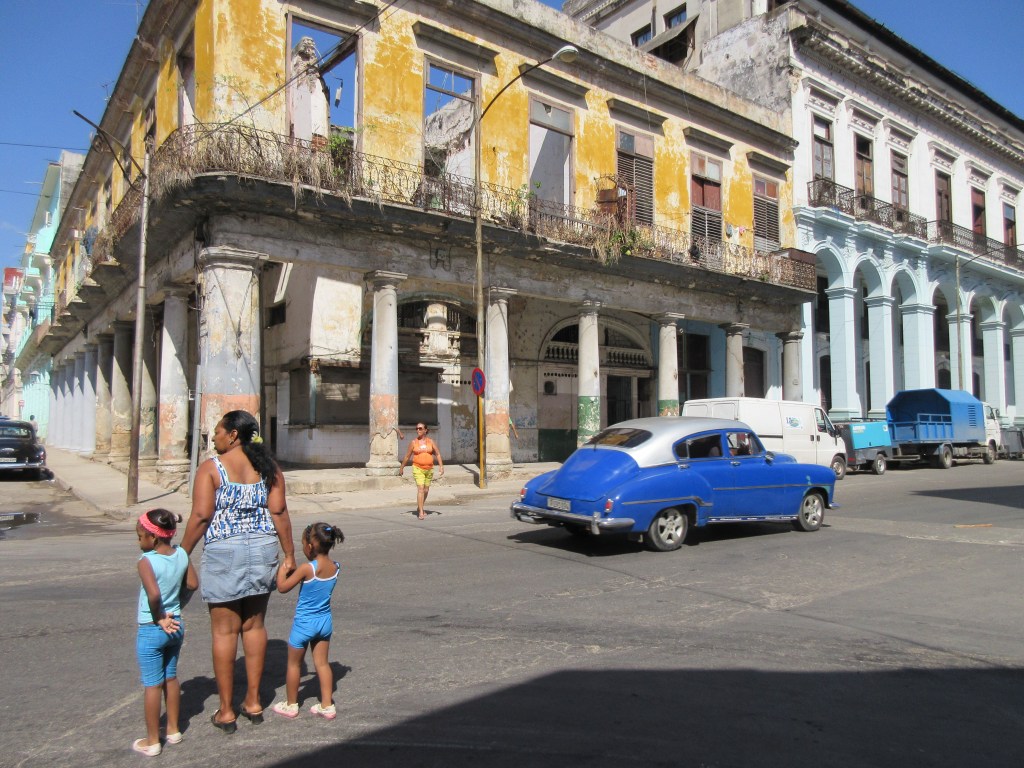
That means Marines would be able to soak up the vibrant culture of Cuba’s capital, known for its art, music, food and iconic 1950s American classic cars. There are beautiful beaches and potential weekend getaways to breathtaking mountains in the country’s interior. Not to mention And then there is the rum and cigars.
If relations are normalized, even Marines assigned to Guantanamo Bay Naval Base — where a Marine Corps Security Force company is located among a total of about 6,000 troops — could begin traveling more freely.
Not many Marine security guards will likely have the chance to go, however, specifically because it will probably be considered a low-risk post that does not require a large amount of security.
The group there would likely be on the smaller side of Marine embassy detachments which typically range from 6 to 20 Marines, according to a Corps Marine official who was not authorized to speak on the topic pending ongoing State Department negotiations with Cuban diplomatic officials.
While the governments have had antagonistic relationships, matters have been relatively calm since 1980 when Castro loyalists attacked Cubans trying to secure visas at the U.S. interest section to leave the country.
Since then, the Cuban government has been very interested in improving relations and is unlikely to allow anything to happen to a newly opened U.S. embassy, LeoGrande said. In fact, after 9/11 Cuban officials responded to calls by American officials to bolster security outside the U.S. interest section and went perhaps too far.
LeoGrande, who has many times passed through checkpoints on the way to the U.S. interests section many times, said Cuban guards stop all traffic is stopped by Cuban guards before it can reach reaching the facility. All documents are checked and recorded. The same tight grip the Cuban government exercises on its population to constrain communications and movement that could threaten the Castro-regime’s grip on power makes it highly unlikely any criminal element or terrorist organization could secretly organize an attack on a U.S. embassy in Havana, he said.