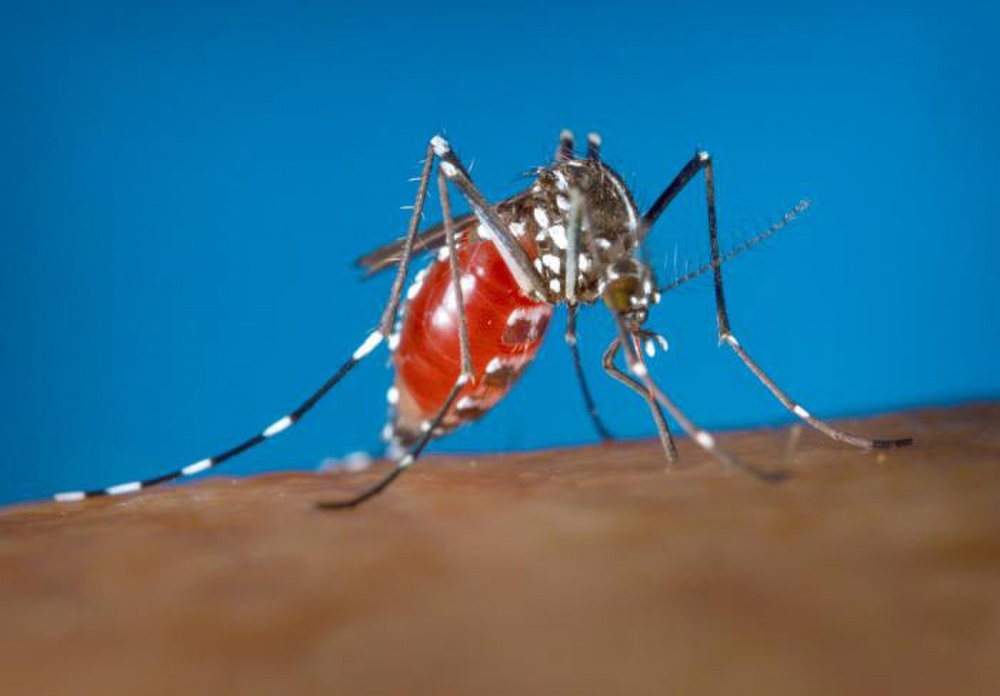
The spreading Zika virus is a public health emergencyhas been all over international news lately, prompting the White House, the Centers for Disease Control and Prevention and now the Navy to issue guidance on how to minimize your chances of gettingprevent it.
The No. 1 way to stay safe from the mosquito-borne virus, which is particularly dangerous for babies in the wombpregnant women, is by restricting travel to areas where it’s been reported, including South America, Mexico and the Caribbean, according to a Thursday guidancerelease from the Navy Bureau of Medicine and Surgery.
“Prevention amongst the Navy and Marine Corps personnel is paramount,” said Cmdr. Eric Deussing, BUMED’s director of public health, emergency preparedness and response. “The most effective way to prevent infection is avoiding unnecessary travel to Zika affected areas. If traveling to Zika affected areas, avoid mosquito bites.”
In a NAVADMIN released Wednesday, director of Navy staff Rear Adm. Robert Thomas urged commanding officers to make their sailors aware of the risks and prevention procedures, particularly if they are traveling to one of the affected areas on orders or leave.
Those include:
- Stay in air conditioned hotels with door and window screens.
- Sleep under a mosquito net if climate-controlled accommodations aren’t available.
- Spray your body and clothing with insect repellent containing DEET, picaridin or IR3535.
- Wear long sleeved-shirts and pants treated with picaridin. Also consider using personal gear like tents and backpacks that have been treated with picaridin.
Pregnant women must be particularly carefulare particularly threatened by Zika, as infections have been linked to birth defects. There have also been reports of Zika spreading by sexual contact and blood transfusion, the release said.
Symptoms of the virus are fever, swollen and itchy eyes, muscle pain, rash, headache and joint pain.
Because there is no treatment or prevention vaccine currently, the most effective way to prevent contracting Zika is to avoid mosquito bites, according to BUMED the release.