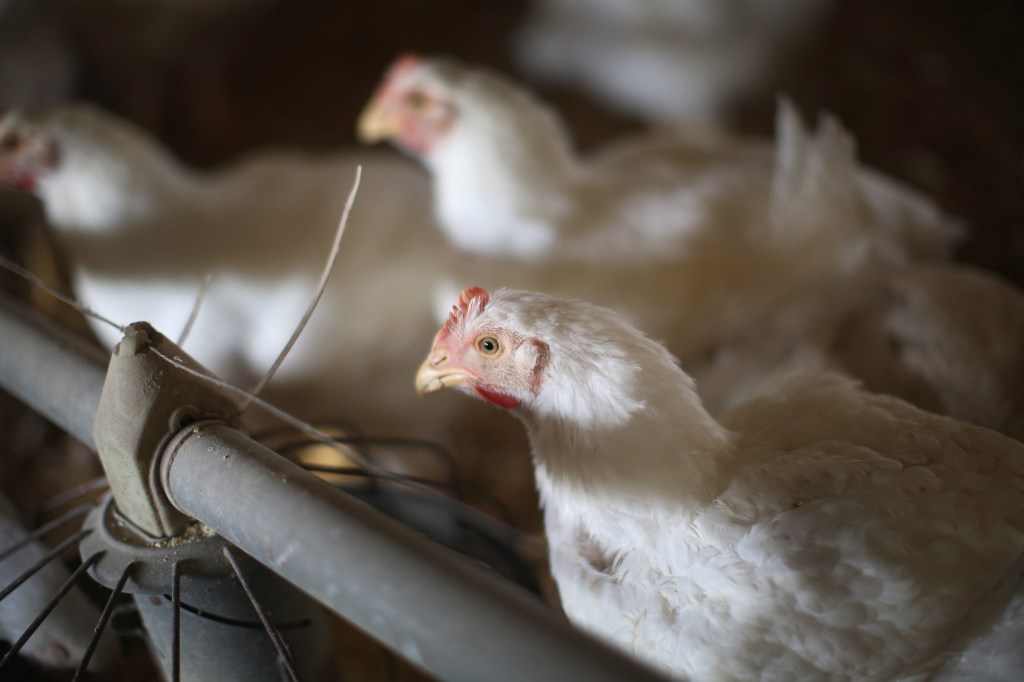
South Korea is facing one of the worst-ever outbreaks of bird flu and now commissaries are limiting customers to three cartons of U.S. eggs per purchase, according to Stars and Stripes.
More than one million eggs have been imported by authorities from the United States to make up for the shortage of local eggs in South Korea, which has killed more than 33 million poultry since the first case was reported in November, the Ministry of Agriculture, Food and Rural Affairs told Stripes.
“Because of the avian flu issue impacting locally produced eggs, a one carton limit on U.S. eggs was initiated by DeCA to ensure all authorized commissary patrons have access to available egg supplies,” spokesman Rick Brink said before the limit was raised to three cartons.
The price of U.S. eggs has not been affected, although locally produced eggs have gone up, he said.
Local eggs can be purchased with no limit. However, local eggs are $2.33 compared to U.S. eggs, which were $1.69 at the Yongsan Garrison commissary in Seoul this week, Stripes reported.
Egg purchases limited at U.S. commissaries in South Korea after bird flu outbreak