The cyber domain draws many comparisons to the domains and conflicts that came before it in military history. But in most cases it’s a very different ball game in many respects — and while there may be some adversaries common with the Cold War, there remain fundamental differences.
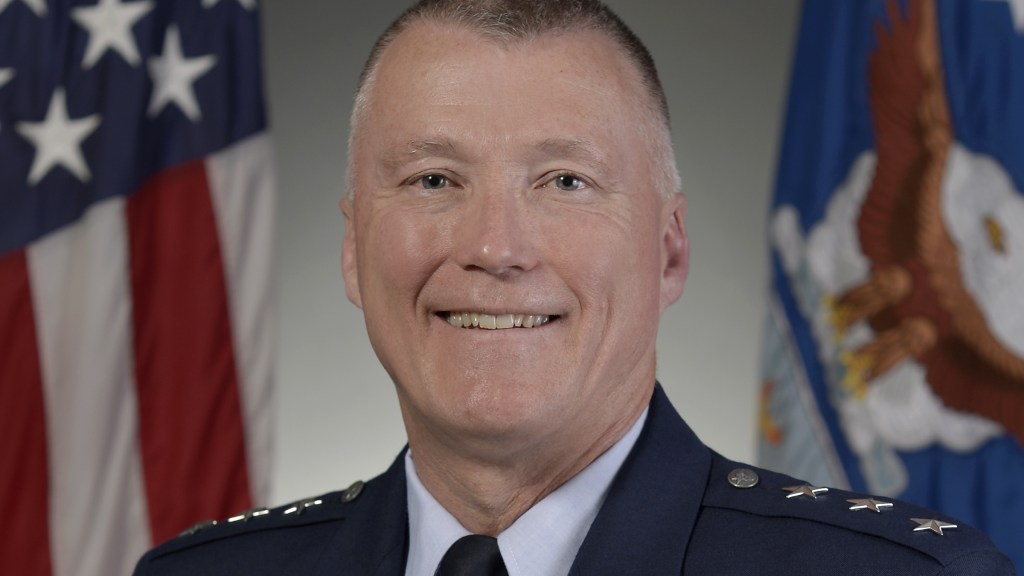
“In the Cold War, we almost always assigned one organization to conduct operations and manage risks,” said Lt. Gen. Kevin McLaughlin, deputy commander of U.S. Cyber Command. “That doesn’t exist anymore period, particularly in cyber. The interdependencies mean we can’t be turf-oriented — this is about the mission we’re trying to get done. We have to find partners with partners with shared equity…and figure out how to do that together.”
McLaughlin, who spoke Sept. 17 at the Billington Cybersecurity Summit in Washington, underscored the evolving nature of the Defense Department’s nascent efforts to militarize the cyber domain. When the first stage of that evolution is complete, CYBERCOM will comprise 133 cyber teams and roughly 6,200 personnel dedicated to cyber offense and defense.
The initial phases of building out the nation’s cyber forces aren’t yet complete, but that doesn’t mean they aren’t already engaged in battle.
“We aren’t waiting for these forces to be fully manned before we deploy them. You probably don’t see that in other domains, but in some cases we’re deploying before they’re even at initial operating capability,” McLaughlin said. “The need is so dire that we’re deploying lots of young, new capabilities and, as a result, learning a lot about it. We’re aggressively putting a lot of capability into the fight, but it’s a young force. If you want 20 years’ experience, it’s going to take 20 years, and we’re rapidly building a framework for that to occur.”
The battle essentially has preceded the Pentagon bringing its cyber organization online. Joint Force Headquarters-DoD Information Networks, the Fort Meade-based organization tasked with operating and defending the military’s networks, was in existence for mere days before it was thrown into the fray.
“We are less than a year old, and from Day 3 we were thrown into the fight” with an unspecified incident, said JFHQ-DoDIN Deputy Commander Brig. Gen. Robert Skinner. “From that point [forward], we have been in a constant state of — I won’t say chaos, but a constant state of aggressive actions and a constant state of moving forward.”
MORE INFO: Learn more about securing defense and federal networks at C4ISR & Networks and Federal Times’ CyberCon 2015, held Nov. 18 at the Ritz Carlton in Pentagon City, Virginia.