The military’s reliance on video intelligence is growing, and the volume of data to be stored and analyzed is growing right along with it.
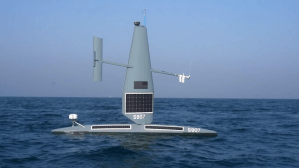
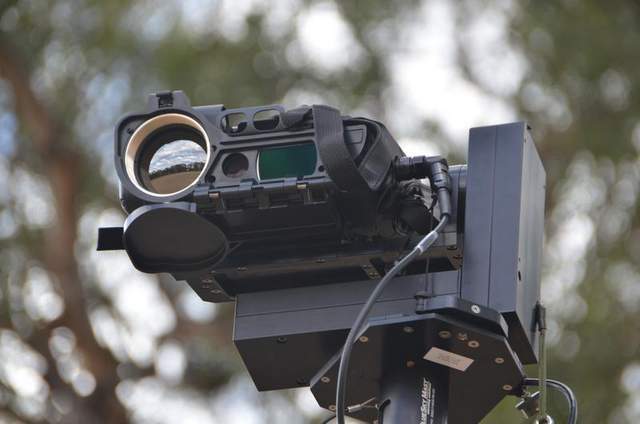
Video intel streams in through multiple sensors, said Robert Bledsoe, program manager at L-3 Communications. Multiple ground sensors, aircraft, unmanned platforms, ships and other sources may all contribute video feeds during an operation. Sophisticated software tools provide image and data capture, dissemination, visualization and archiving.
Download: Learn more about how the Navy’s changing mission is driving an urgent need for visual intelligence with our free special report, “Seeing Farther.” Download it here.
Tom Johnson, lead engineer on the Navy’s Intelligence Carry-On Program, explained the kind of big data storage and analysis needed to turn video data into useful intelligence.
“It has to handle data from multiple different types of sensors, including some of the new high-definition sensors coming down at very high data rates,” he said. “It has to interface with multiple video formats.”
An ideal system also needs to be simple enough for average military personnel to use, not limited to intelligence specialists, Bledsoe said.