-

US Air Force conducts final test of Lockheed’s hypersonic missile
The Air Force has not requested more money for ARRW in 2025, and plans to wind down the prototyping program this year.
-

Russia stops sharing missile test info with US, opens drills
A senior Russian diplomat says Moscow has suspended sharing information about its nuclear forces with the U.S., including notices about missile tests.
-

Former Army CIO joins ServiceNow as global head of public sector
Raj Iyer in January said he would leave his military job, after two and a half years, and would return to industry.
-

How one Navy reservist’s bright idea could make mobilizing easier
An app invented by reserve Lt. Cmdr. Jonathan Calhoun will allow reservists to fill out their mobilization paperwork on their phone.
-
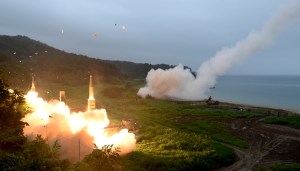
South Korea to create new command that would control strategic weapons
The command would give the orders to subordinate military assets to strike enemy targets or intercept hostile missiles as part of the Kill Chain strategy and the Korea Massive Punishment and Retaliation plan.
-
Ukraine war tactics reaffirm US Army’s modernization thrust, service chief says
The conflict in Ukraine is showing the U.S. Army that it’s on the right track when it comes to its own modernization priorities, the Army chief of staff said.
-

The multi-cloud multiverse: How the Pentagon can achieve AI success
Many government agencies are overcoming these challenges using technologies such as data virtualization to implement a logical data fabric approach capable of ensuring trusted data access and sharing.
-

How the cloud saved Ukraine’s data from Russian attacks
Russian operatives conducted physical and virtual “wiper attacks” on computer networks in Ukraine – attempting to delete all stored government information. Yet the data survived.
-
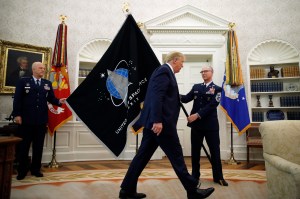
Can Biden solve the Space Force’s public relations crisis?
President Trump made the U.S. Space Force a pet project. To some, that’s been a bad thing.
-
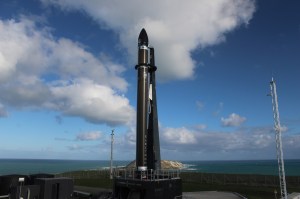
Funding for small launch providers still in question after withdrawal of $116M in contracts
The Air Force’s top acquisition official explained why contract awards for six small launch companies were recalled earlier this month.
-
US Air Force conducts final test of Lockheed’s hypersonic missile
The Air Force has not requested more money for ARRW in 2025, and plans to wind down the prototyping program this year.
-
Russia stops sharing missile test info with US, opens drills
A senior Russian diplomat says Moscow has suspended sharing information about its nuclear forces with the U.S., including notices about missile tests.
-
Former Army CIO joins ServiceNow as global head of public sector
Raj Iyer in January said he would leave his military job, after two and a half years, and would return to industry.
-
How one Navy reservist’s bright idea could make mobilizing easier
An app invented by reserve Lt. Cmdr. Jonathan Calhoun will allow reservists to fill out their mobilization paperwork on their phone.
-
South Korea to create new command that would control strategic weapons
The command would give the orders to subordinate military assets to strike enemy targets or intercept hostile missiles as part of the Kill Chain strategy and the Korea Massive Punishment and Retaliation plan.
-
Ukraine war tactics reaffirm US Army’s modernization thrust, service chief says
The conflict in Ukraine is showing the U.S. Army that it’s on the right track when it comes to its own modernization priorities, the Army chief of staff said.
-
The multi-cloud multiverse: How the Pentagon can achieve AI success
Many government agencies are overcoming these challenges using technologies such as data virtualization to implement a logical data fabric approach capable of ensuring trusted data access and sharing.
-
How the cloud saved Ukraine’s data from Russian attacks
Russian operatives conducted physical and virtual “wiper attacks” on computer networks in Ukraine – attempting to delete all stored government information. Yet the data survived.
-
Can Biden solve the Space Force’s public relations crisis?
President Trump made the U.S. Space Force a pet project. To some, that’s been a bad thing.
-
Funding for small launch providers still in question after withdrawal of $116M in contracts
The Air Force’s top acquisition official explained why contract awards for six small launch companies were recalled earlier this month.
-

US Air Force conducts final test of Lockheed’s hypersonic missile
The Air Force has not requested more money for ARRW in 2025, and plans to wind down the prototyping program this year.
-
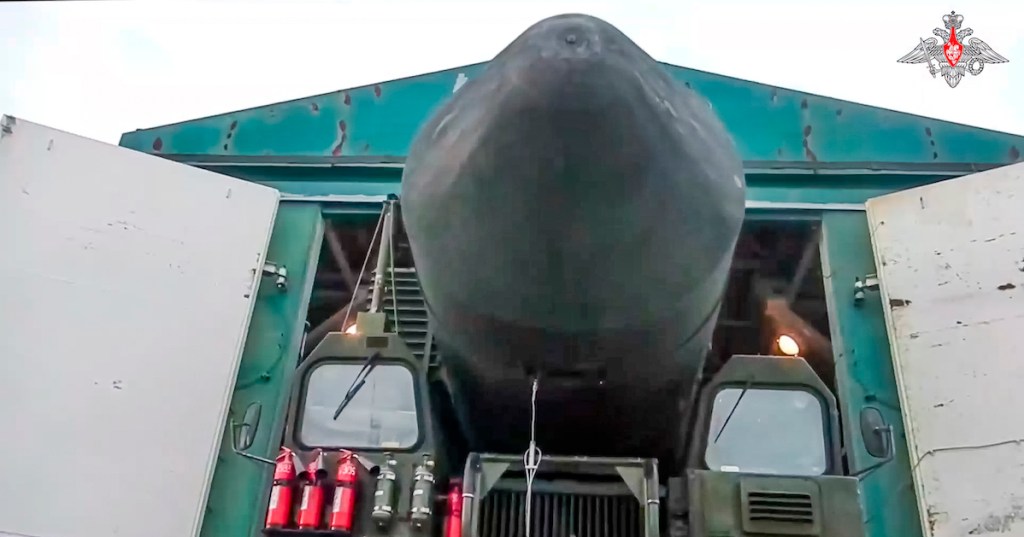
Russia stops sharing missile test info with US, opens drills
A senior Russian diplomat says Moscow has suspended sharing information about its nuclear forces with the U.S., including notices about missile tests.
-
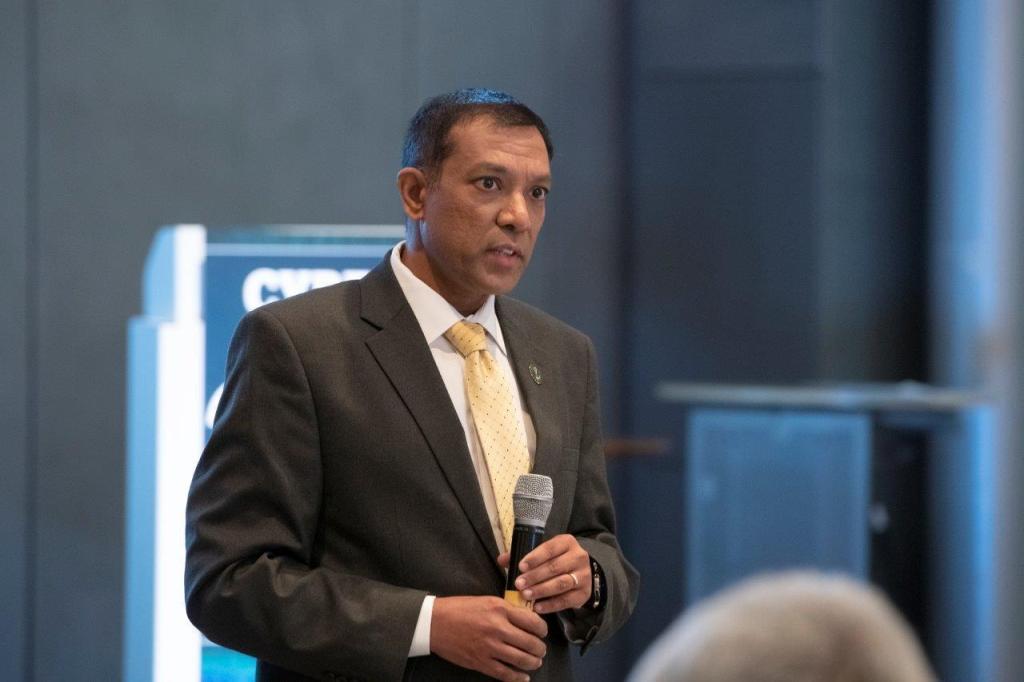
Former Army CIO joins ServiceNow as global head of public sector
Raj Iyer in January said he would leave his military job, after two and a half years, and would return to industry.
-

How one Navy reservist’s bright idea could make mobilizing easier
An app invented by reserve Lt. Cmdr. Jonathan Calhoun will allow reservists to fill out their mobilization paperwork on their phone.
-
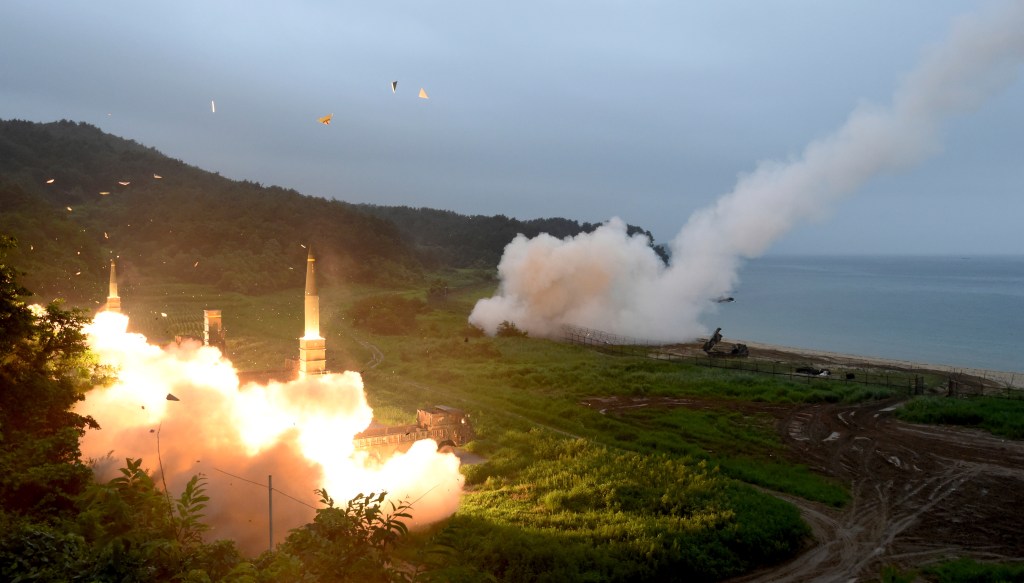
South Korea to create new command that would control strategic weapons
The command would give the orders to subordinate military assets to strike enemy targets or intercept hostile missiles as part of the Kill Chain strategy and the Korea Massive Punishment and Retaliation plan.
-
Ukraine war tactics reaffirm US Army’s modernization thrust, service chief says
The conflict in Ukraine is showing the U.S. Army that it’s on the right track when it comes to its own modernization priorities, the Army chief of staff said.
-

The multi-cloud multiverse: How the Pentagon can achieve AI success
Many government agencies are overcoming these challenges using technologies such as data virtualization to implement a logical data fabric approach capable of ensuring trusted data access and sharing.
-

How the cloud saved Ukraine’s data from Russian attacks
Russian operatives conducted physical and virtual “wiper attacks” on computer networks in Ukraine – attempting to delete all stored government information. Yet the data survived.
-
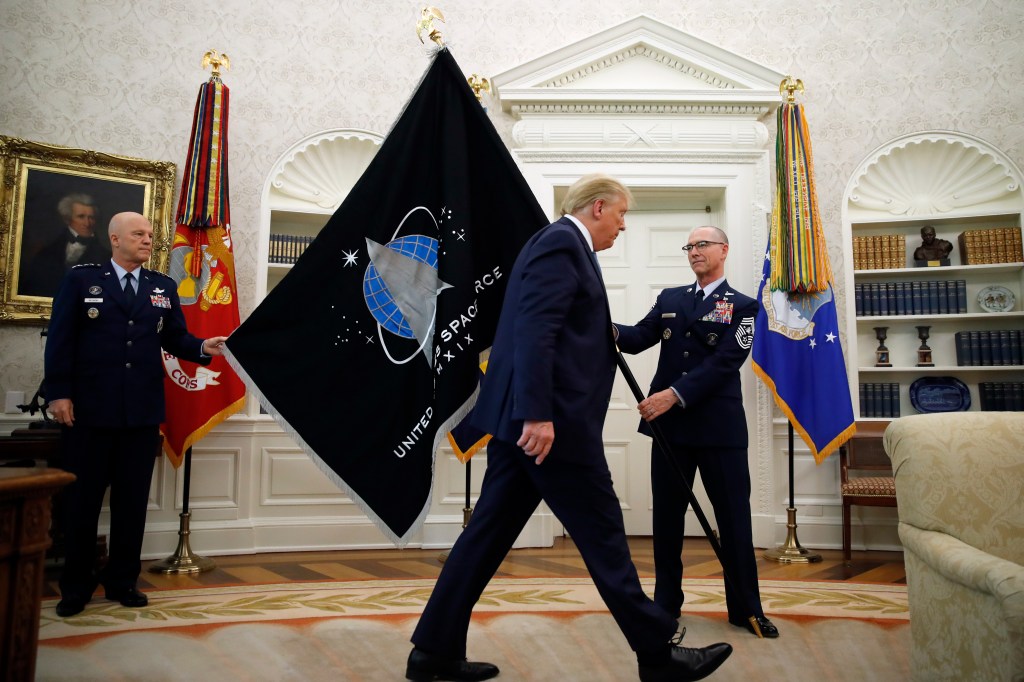
Can Biden solve the Space Force’s public relations crisis?
President Trump made the U.S. Space Force a pet project. To some, that’s been a bad thing.
-
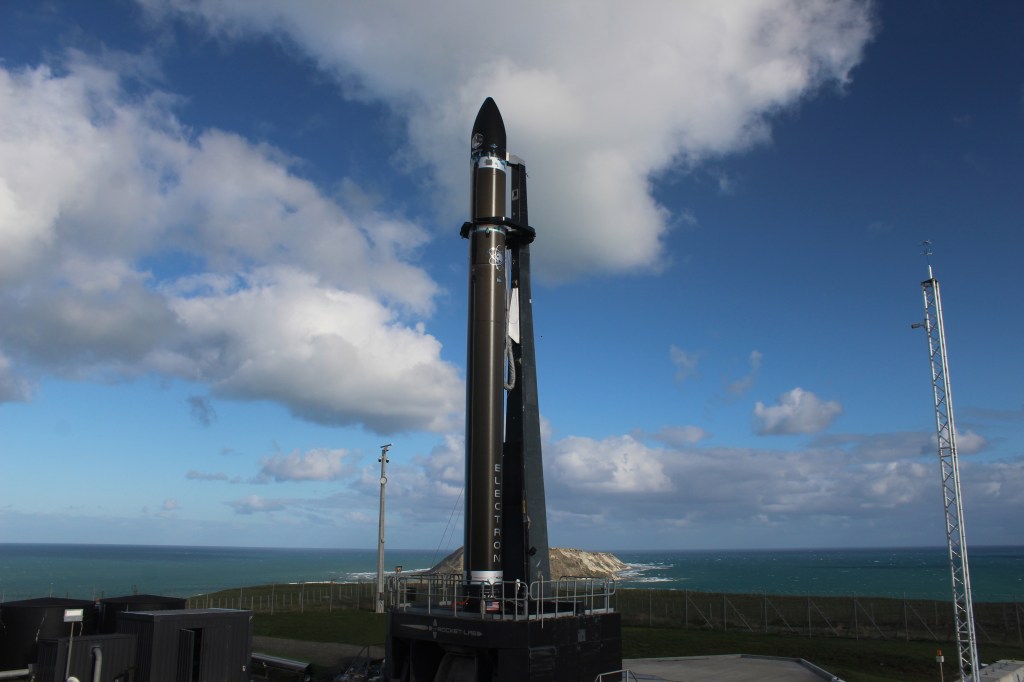
Funding for small launch providers still in question after withdrawal of $116M in contracts
The Air Force’s top acquisition official explained why contract awards for six small launch companies were recalled earlier this month.