-

With the rise of hypersonics, the Missile Defense Agency wants more sensors
The head of the Missile Defense Agency said that a new and improved sensor layer is the first step to defending against innovative missile technology.
-

The cost of new GPS programs jumped $930 million last year
DoD’s annual Selected Acquisition Report updates program cost estimates.
-

How artificial intelligence went from an advantage to a worldwide threat
Once considered one answer to preserving U.S. military superiority, AI is now seen by national security leaders as a danger to military operations — and the need to invest in decision-making technologies is accelerating.
-

In: Fast GPS solutions. Out: Drawn out development
The Army’s PNT cross functional team is looking to deliver GPS-denied solutions to soldiers faster.
-

Why diversity is the key to avoiding position, navigation and timing outages
A combination of additional position, navigation and timing signals and other fail-safe solutions, together with traditional GPS systems, can make PNT applications more resilient against jamming and spoofing.
-

Harris unveils two-channel leader radio for US Army
After a protest, Harris Corporation is touting its two-channel leader radio it hopes to get on contract with the U.S. Army in a few months.
-

Satellite providers to Air Force: Where do we stand?
Greater certainty about industry’s role in supporting DoD’s SATCOM needs would provide greater justification for more unique investments for private companies.
-

How could a burgeoning satellite servicing industry help government?
The emerging on-orbit satellite service industry is about to take-off, but space regulators are still struggling to find their role in a convoluted system that could be heading for reform.
-
The satellite surprise inside the spending bill
The new spending plan Congressional leaders unveiled Wednesday unexpectedly includes $600 million for the Air Force to extend its wideband satellite communications program by two satellites.
-

Why industry wants the Pentagon to consider small satellites
While small satellites remain popular around industry circles, the question of whether the technology is resilient enough for military utility remains an open question.
-
With the rise of hypersonics, the Missile Defense Agency wants more sensors
The head of the Missile Defense Agency said that a new and improved sensor layer is the first step to defending against innovative missile technology.
-
The cost of new GPS programs jumped $930 million last year
DoD’s annual Selected Acquisition Report updates program cost estimates.
-
How artificial intelligence went from an advantage to a worldwide threat
Once considered one answer to preserving U.S. military superiority, AI is now seen by national security leaders as a danger to military operations — and the need to invest in decision-making technologies is accelerating.
-
In: Fast GPS solutions. Out: Drawn out development
The Army’s PNT cross functional team is looking to deliver GPS-denied solutions to soldiers faster.
-
Why diversity is the key to avoiding position, navigation and timing outages
A combination of additional position, navigation and timing signals and other fail-safe solutions, together with traditional GPS systems, can make PNT applications more resilient against jamming and spoofing.
-
Harris unveils two-channel leader radio for US Army
After a protest, Harris Corporation is touting its two-channel leader radio it hopes to get on contract with the U.S. Army in a few months.
-
Satellite providers to Air Force: Where do we stand?
Greater certainty about industry’s role in supporting DoD’s SATCOM needs would provide greater justification for more unique investments for private companies.
-
How could a burgeoning satellite servicing industry help government?
The emerging on-orbit satellite service industry is about to take-off, but space regulators are still struggling to find their role in a convoluted system that could be heading for reform.
-
The satellite surprise inside the spending bill
The new spending plan Congressional leaders unveiled Wednesday unexpectedly includes $600 million for the Air Force to extend its wideband satellite communications program by two satellites.
-
Why industry wants the Pentagon to consider small satellites
While small satellites remain popular around industry circles, the question of whether the technology is resilient enough for military utility remains an open question.
-

With the rise of hypersonics, the Missile Defense Agency wants more sensors
The head of the Missile Defense Agency said that a new and improved sensor layer is the first step to defending against innovative missile technology.
-

The cost of new GPS programs jumped $930 million last year
DoD’s annual Selected Acquisition Report updates program cost estimates.
-

How artificial intelligence went from an advantage to a worldwide threat
Once considered one answer to preserving U.S. military superiority, AI is now seen by national security leaders as a danger to military operations — and the need to invest in decision-making technologies is accelerating.
-

In: Fast GPS solutions. Out: Drawn out development
The Army’s PNT cross functional team is looking to deliver GPS-denied solutions to soldiers faster.
-

Why diversity is the key to avoiding position, navigation and timing outages
A combination of additional position, navigation and timing signals and other fail-safe solutions, together with traditional GPS systems, can make PNT applications more resilient against jamming and spoofing.
-
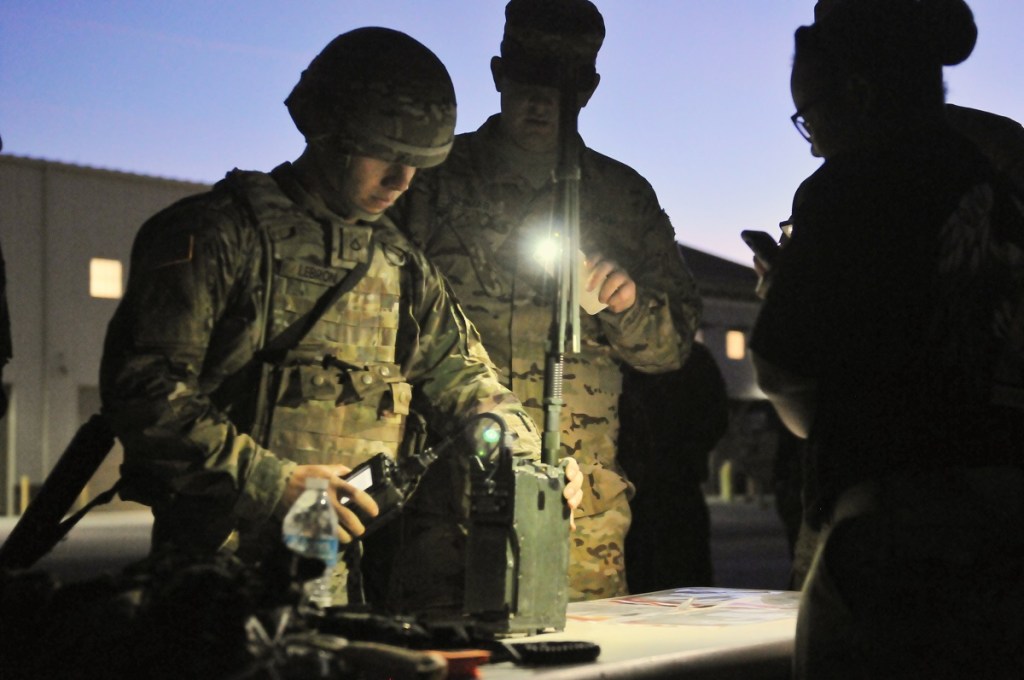
Harris unveils two-channel leader radio for US Army
After a protest, Harris Corporation is touting its two-channel leader radio it hopes to get on contract with the U.S. Army in a few months.
-

Satellite providers to Air Force: Where do we stand?
Greater certainty about industry’s role in supporting DoD’s SATCOM needs would provide greater justification for more unique investments for private companies.
-

How could a burgeoning satellite servicing industry help government?
The emerging on-orbit satellite service industry is about to take-off, but space regulators are still struggling to find their role in a convoluted system that could be heading for reform.
-
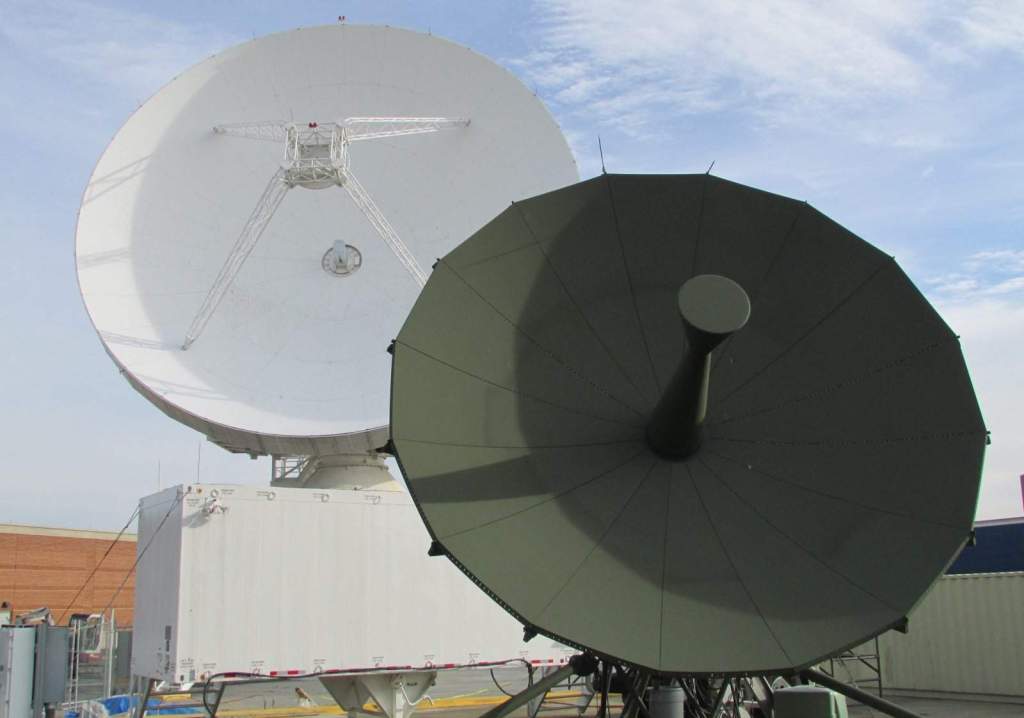
The satellite surprise inside the spending bill
The new spending plan Congressional leaders unveiled Wednesday unexpectedly includes $600 million for the Air Force to extend its wideband satellite communications program by two satellites.
-

Why industry wants the Pentagon to consider small satellites
While small satellites remain popular around industry circles, the question of whether the technology is resilient enough for military utility remains an open question.