-
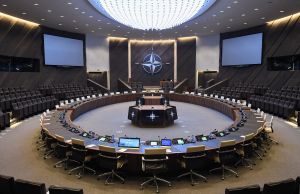
Face it, NATO: The North Atlantic and Indo-Pacific are linked
The new Strategic Concept should be able to address challenges posed by China robustly and implement some structural changes without undermining European concerns.
-

What it looks like when competing with China comes last
It is past time for the Biden administration to answer fundamental questions about how it intends to support Taiwan and secure a free and open Indo-Pacific region.
-

The Defense Production Act is helping rebuild the US industrial base. Let’s keep it that way.
A legitimate debate may arise over the use of the DPA beyond traditional defense needs. As that debate unfolds, Congress may find that the act’s authorities need to be expanded at the Pentagon.
-
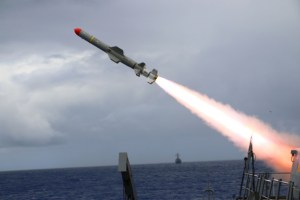
Expedite arms deliveries to beleaguered democracies
The United States should spend less time worrying about provoking authoritarian bullies and more time urgently helping threatened democracies before an invasion or attack begins.
-

If the Marine Corps’ force design plan is going to succeed, it needs more money and more Navy support
The success of the Marine Corps’ Force Design — scheduled for completion by 2030 — depends on addressing three key areas.
-
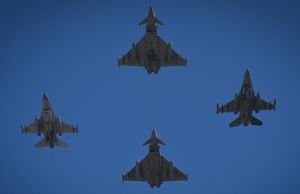
The war in Ukraine should serve to bolster Europe’s air power ambitions
Russia’s invasion of Ukraine is a stark reminder that Europe’s NATO members need to spend more wisely — and not simply spend more — in bolstering their collective defense against unwarranted aggression.
-

US Navy secretary previews priorities for Pacific tour
At the top of his mind is a threat impacting the service’s mission, people, platforms and installations.
-

The Russian invasion has clear implications for the US Army
The U.S. Army must incorporate this new threat without disregarding any of the old. And it cannot do so by simply adding another defensive mechanism. That’s how combat vehicles grow to ponderous weights over time.
-
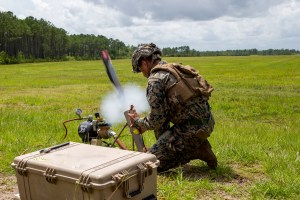
Stop calling Switchblades ‘drones’ — it’s causing policy confusion
When incorrect terminology is used and accepted, national security leaders risk making bad policy based on misperceptions.
-

The DoD’s cyber force must partner with industry to compete at the speed of relevance
While cyber is essential to many areas of DoD operations, it is not its main function.
-
Face it, NATO: The North Atlantic and Indo-Pacific are linked
The new Strategic Concept should be able to address challenges posed by China robustly and implement some structural changes without undermining European concerns.
-
What it looks like when competing with China comes last
It is past time for the Biden administration to answer fundamental questions about how it intends to support Taiwan and secure a free and open Indo-Pacific region.
-
The Defense Production Act is helping rebuild the US industrial base. Let’s keep it that way.
A legitimate debate may arise over the use of the DPA beyond traditional defense needs. As that debate unfolds, Congress may find that the act’s authorities need to be expanded at the Pentagon.
-
Expedite arms deliveries to beleaguered democracies
The United States should spend less time worrying about provoking authoritarian bullies and more time urgently helping threatened democracies before an invasion or attack begins.
-
If the Marine Corps’ force design plan is going to succeed, it needs more money and more Navy support
The success of the Marine Corps’ Force Design — scheduled for completion by 2030 — depends on addressing three key areas.
-
The war in Ukraine should serve to bolster Europe’s air power ambitions
Russia’s invasion of Ukraine is a stark reminder that Europe’s NATO members need to spend more wisely — and not simply spend more — in bolstering their collective defense against unwarranted aggression.
-
US Navy secretary previews priorities for Pacific tour
At the top of his mind is a threat impacting the service’s mission, people, platforms and installations.
-
The Russian invasion has clear implications for the US Army
The U.S. Army must incorporate this new threat without disregarding any of the old. And it cannot do so by simply adding another defensive mechanism. That’s how combat vehicles grow to ponderous weights over time.
-
Stop calling Switchblades ‘drones’ — it’s causing policy confusion
When incorrect terminology is used and accepted, national security leaders risk making bad policy based on misperceptions.
-
The DoD’s cyber force must partner with industry to compete at the speed of relevance
While cyber is essential to many areas of DoD operations, it is not its main function.
-
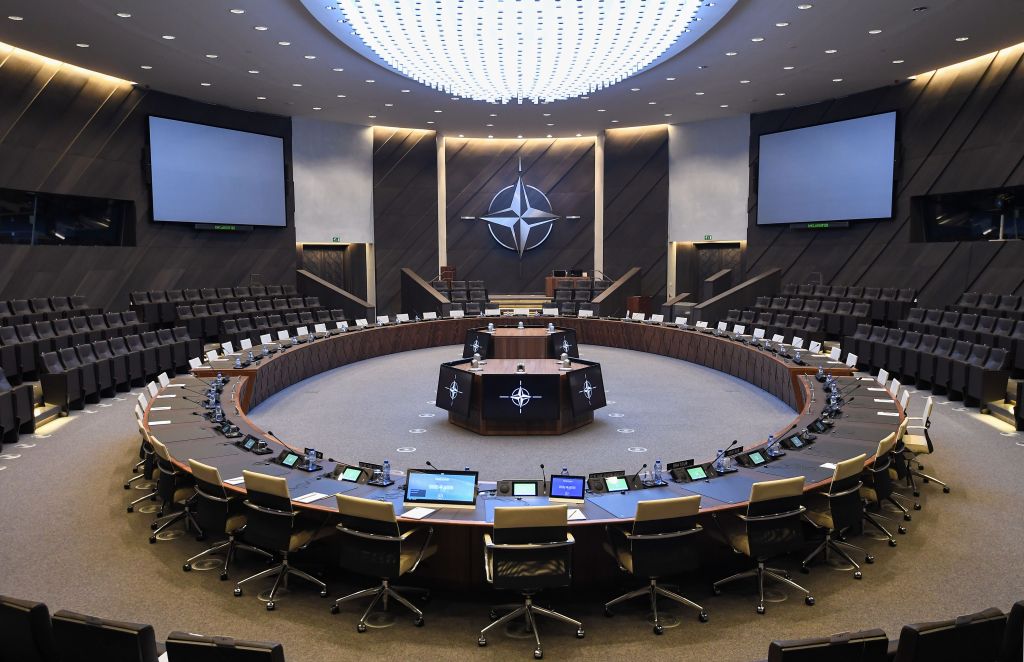
Face it, NATO: The North Atlantic and Indo-Pacific are linked
The new Strategic Concept should be able to address challenges posed by China robustly and implement some structural changes without undermining European concerns.
-

What it looks like when competing with China comes last
It is past time for the Biden administration to answer fundamental questions about how it intends to support Taiwan and secure a free and open Indo-Pacific region.
-

The Defense Production Act is helping rebuild the US industrial base. Let’s keep it that way.
A legitimate debate may arise over the use of the DPA beyond traditional defense needs. As that debate unfolds, Congress may find that the act’s authorities need to be expanded at the Pentagon.
-
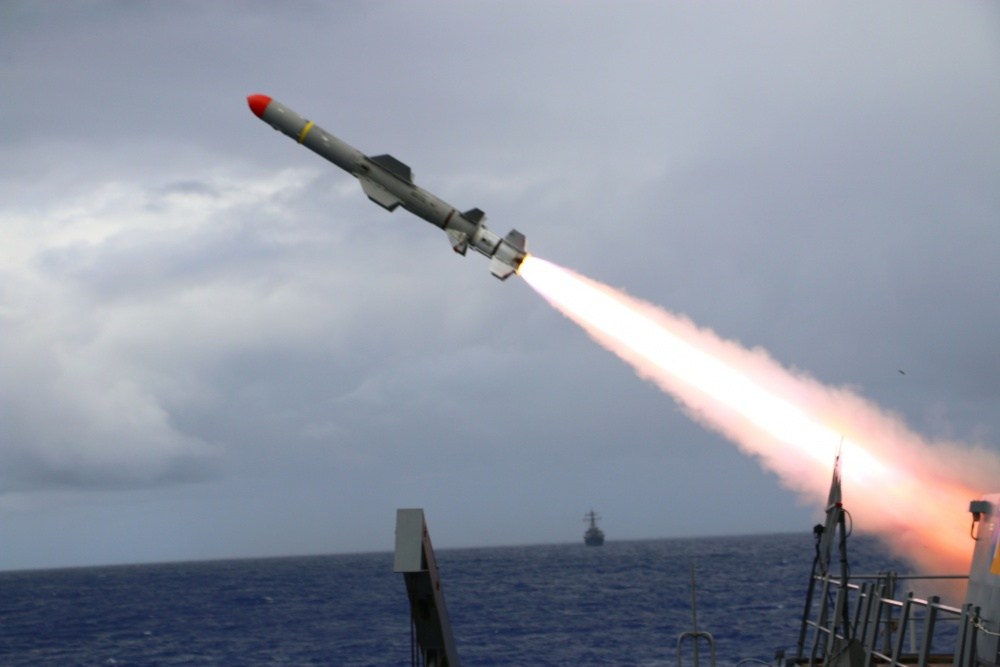
Expedite arms deliveries to beleaguered democracies
The United States should spend less time worrying about provoking authoritarian bullies and more time urgently helping threatened democracies before an invasion or attack begins.
-

If the Marine Corps’ force design plan is going to succeed, it needs more money and more Navy support
The success of the Marine Corps’ Force Design — scheduled for completion by 2030 — depends on addressing three key areas.
-
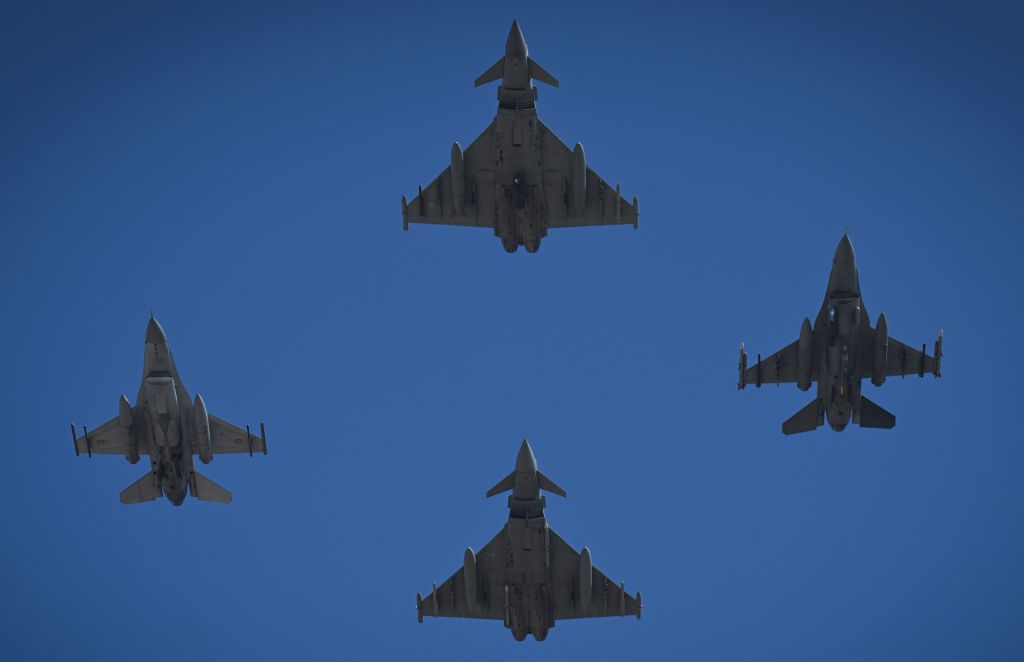
The war in Ukraine should serve to bolster Europe’s air power ambitions
Russia’s invasion of Ukraine is a stark reminder that Europe’s NATO members need to spend more wisely — and not simply spend more — in bolstering their collective defense against unwarranted aggression.
-

US Navy secretary previews priorities for Pacific tour
At the top of his mind is a threat impacting the service’s mission, people, platforms and installations.
-

The Russian invasion has clear implications for the US Army
The U.S. Army must incorporate this new threat without disregarding any of the old. And it cannot do so by simply adding another defensive mechanism. That’s how combat vehicles grow to ponderous weights over time.
-
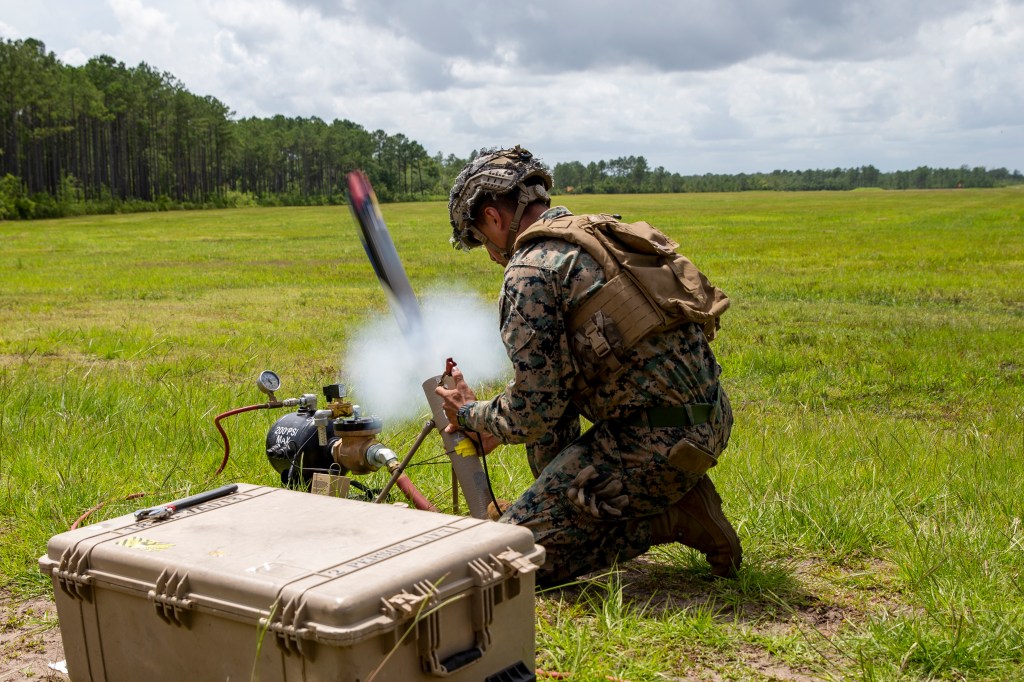
Stop calling Switchblades ‘drones’ — it’s causing policy confusion
When incorrect terminology is used and accepted, national security leaders risk making bad policy based on misperceptions.
-

The DoD’s cyber force must partner with industry to compete at the speed of relevance
While cyber is essential to many areas of DoD operations, it is not its main function.