-
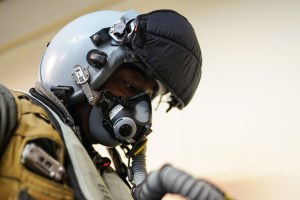
The US defense budget’s latest casualty is readiness
To advance future capabilities that provide for long-term readiness, the armed services need well-trained, knowledgeable warfighters who have the capacity to integrate modernized systems into sustained arsenals. Instead, the budget’s reductions come at a point when the operational tempo of the force continues to increase as capacity investments are falling.
-

Winning in Ukraine: a French perspective
Besides their military support for Kyiv, France and Germany are also mindful of leaving the door open to a negotiated settlement of the conflict.
-

Why a ‘Buy Allied’ approach matters
There are at least four essential reasons why making the U.S. aerospace and defense industry exclusively “Made in America” is neither feasible nor desirable.
-

Beware the allure of training technology
Sometimes the best and most cost-effective training tool may just be a book.
-
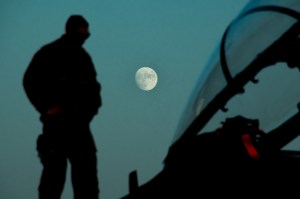
Is America’s military headed down the same path as Russia’s?
Diplomacy that is not backed by military might will fail. It all comes down to credibility behind the words. The U.S. has lost its edge in that regard from both a military capability and capacity perspective.
-

A prolonged ceasefire may be the likely endgame in Ukraine
Shifting war aims and the prospect of protracted war could lead to a potential dilemma for Ukraine.
-
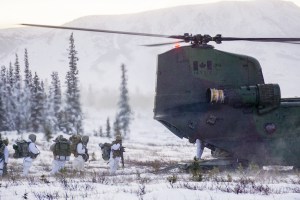
We’re making strides, but Arctic soldiers still need help from big Army
With the service’s new Arctic strategy and the anticipated re-designation of Army Alaska as the 11th Airborne Division, the Army should also bring in more funding.
-
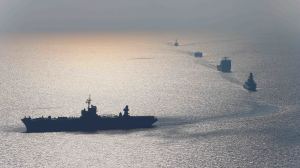
New Mideast task force can counter Iranian arms smuggling, but more capabilities are needed
U.S. Central Command must be able to to analyze and exploit intelligence, which requires a robust cadre of analysts.
-
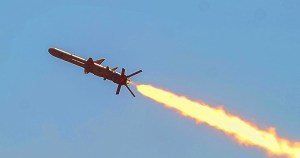
Moskva’s sinking, the rise of anti-ship cruise missiles and what that means for the US Navy
If a relatively low-cost, short-range missile can destroy one of the largest warships in the Russian Navy, how do we ensure that ships in our fleet are not doomed to the same fate?
-
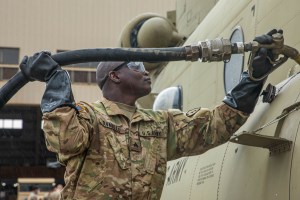
Fossil fuels are the Achilles’ heel of warfare. Just ask Russia.
Fossil fuels aren’t just a vulnerability on the battlefield; they’re also a strategic straitjacket.
-
The US defense budget’s latest casualty is readiness
To advance future capabilities that provide for long-term readiness, the armed services need well-trained, knowledgeable warfighters who have the capacity to integrate modernized systems into sustained arsenals. Instead, the budget’s reductions come at a point when the operational tempo of the force continues to increase as capacity investments are falling.
-
Winning in Ukraine: a French perspective
Besides their military support for Kyiv, France and Germany are also mindful of leaving the door open to a negotiated settlement of the conflict.
-
Why a ‘Buy Allied’ approach matters
There are at least four essential reasons why making the U.S. aerospace and defense industry exclusively “Made in America” is neither feasible nor desirable.
-
Beware the allure of training technology
Sometimes the best and most cost-effective training tool may just be a book.
-
Is America’s military headed down the same path as Russia’s?
Diplomacy that is not backed by military might will fail. It all comes down to credibility behind the words. The U.S. has lost its edge in that regard from both a military capability and capacity perspective.
-
A prolonged ceasefire may be the likely endgame in Ukraine
Shifting war aims and the prospect of protracted war could lead to a potential dilemma for Ukraine.
-
We’re making strides, but Arctic soldiers still need help from big Army
With the service’s new Arctic strategy and the anticipated re-designation of Army Alaska as the 11th Airborne Division, the Army should also bring in more funding.
-
New Mideast task force can counter Iranian arms smuggling, but more capabilities are needed
U.S. Central Command must be able to to analyze and exploit intelligence, which requires a robust cadre of analysts.
-
Moskva’s sinking, the rise of anti-ship cruise missiles and what that means for the US Navy
If a relatively low-cost, short-range missile can destroy one of the largest warships in the Russian Navy, how do we ensure that ships in our fleet are not doomed to the same fate?
-
Fossil fuels are the Achilles’ heel of warfare. Just ask Russia.
Fossil fuels aren’t just a vulnerability on the battlefield; they’re also a strategic straitjacket.
-
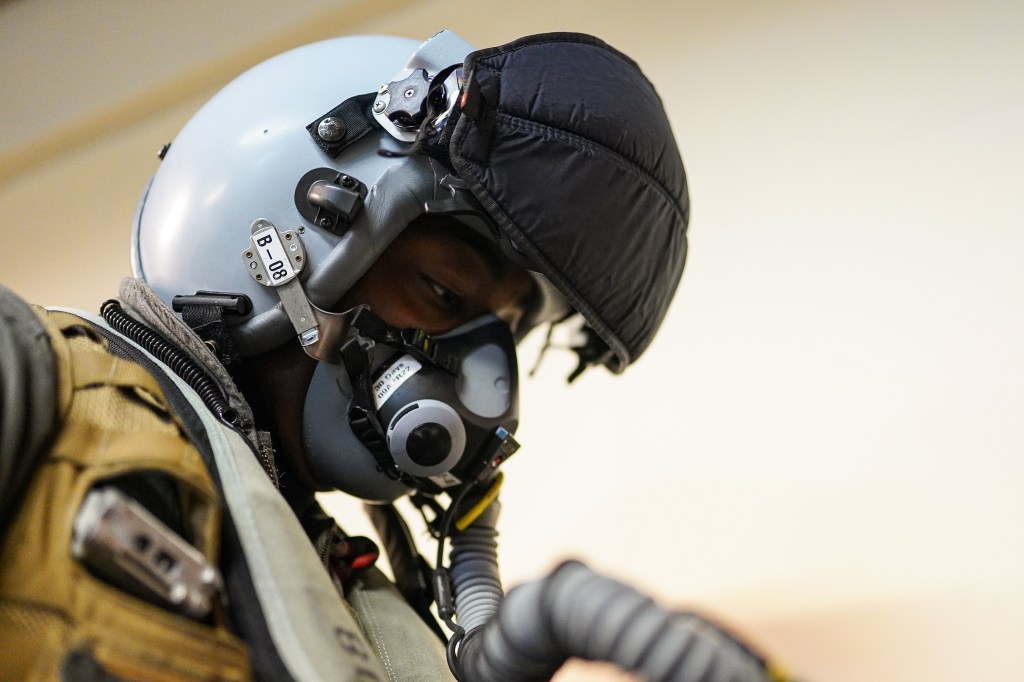
The US defense budget’s latest casualty is readiness
To advance future capabilities that provide for long-term readiness, the armed services need well-trained, knowledgeable warfighters who have the capacity to integrate modernized systems into sustained arsenals. Instead, the budget’s reductions come at a point when the operational tempo of the force continues to increase as capacity investments are falling.
-
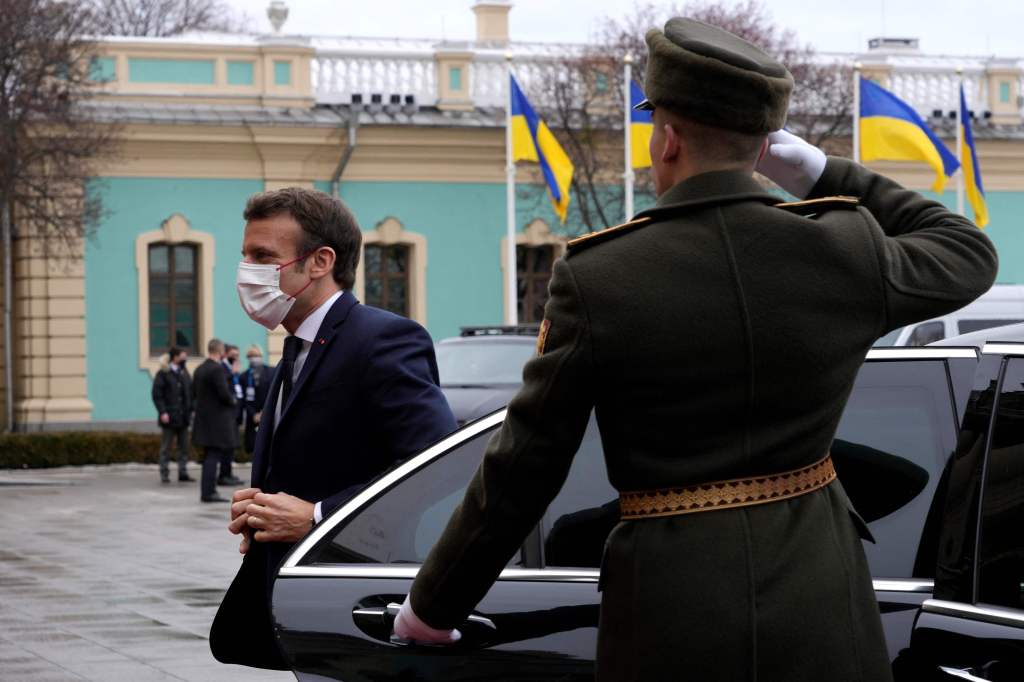
Winning in Ukraine: a French perspective
Besides their military support for Kyiv, France and Germany are also mindful of leaving the door open to a negotiated settlement of the conflict.
-

Why a ‘Buy Allied’ approach matters
There are at least four essential reasons why making the U.S. aerospace and defense industry exclusively “Made in America” is neither feasible nor desirable.
-

Beware the allure of training technology
Sometimes the best and most cost-effective training tool may just be a book.
-
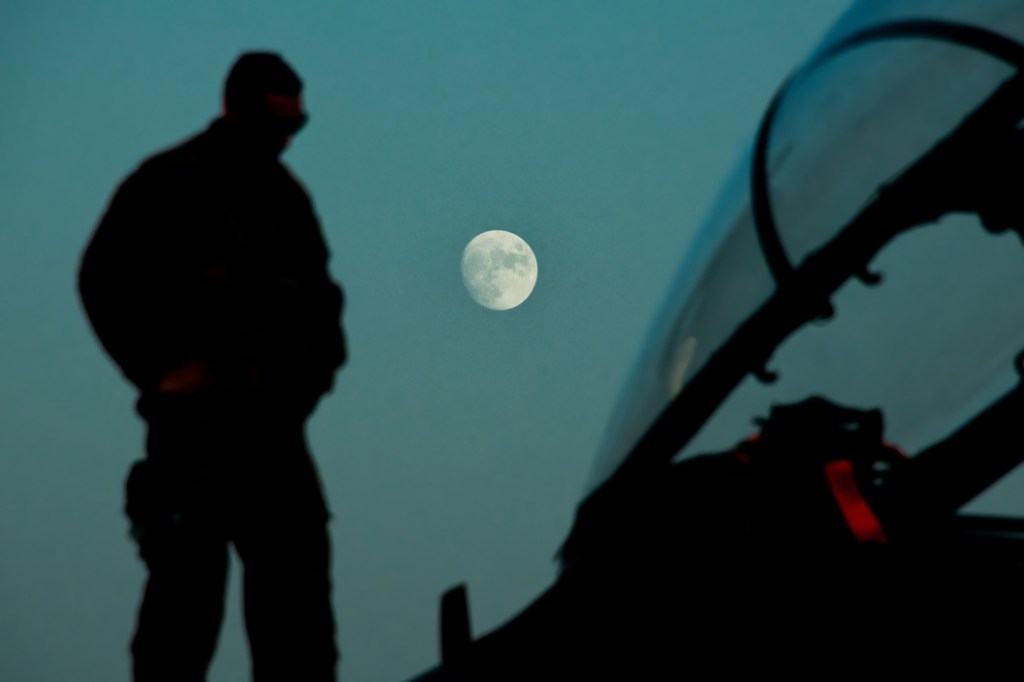
Is America’s military headed down the same path as Russia’s?
Diplomacy that is not backed by military might will fail. It all comes down to credibility behind the words. The U.S. has lost its edge in that regard from both a military capability and capacity perspective.
-
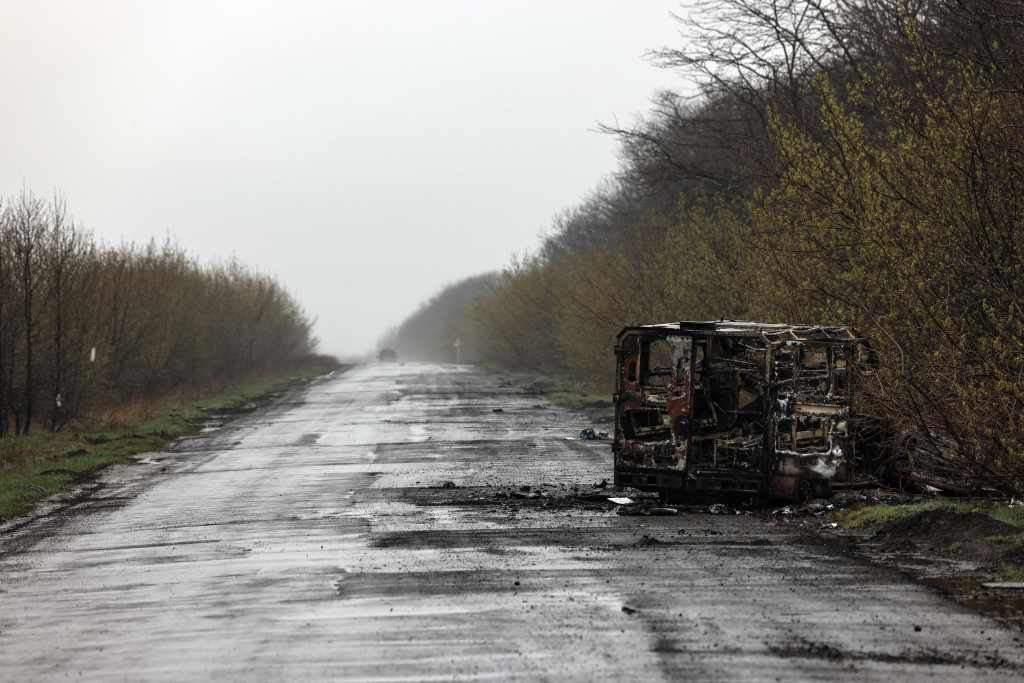
A prolonged ceasefire may be the likely endgame in Ukraine
Shifting war aims and the prospect of protracted war could lead to a potential dilemma for Ukraine.
-
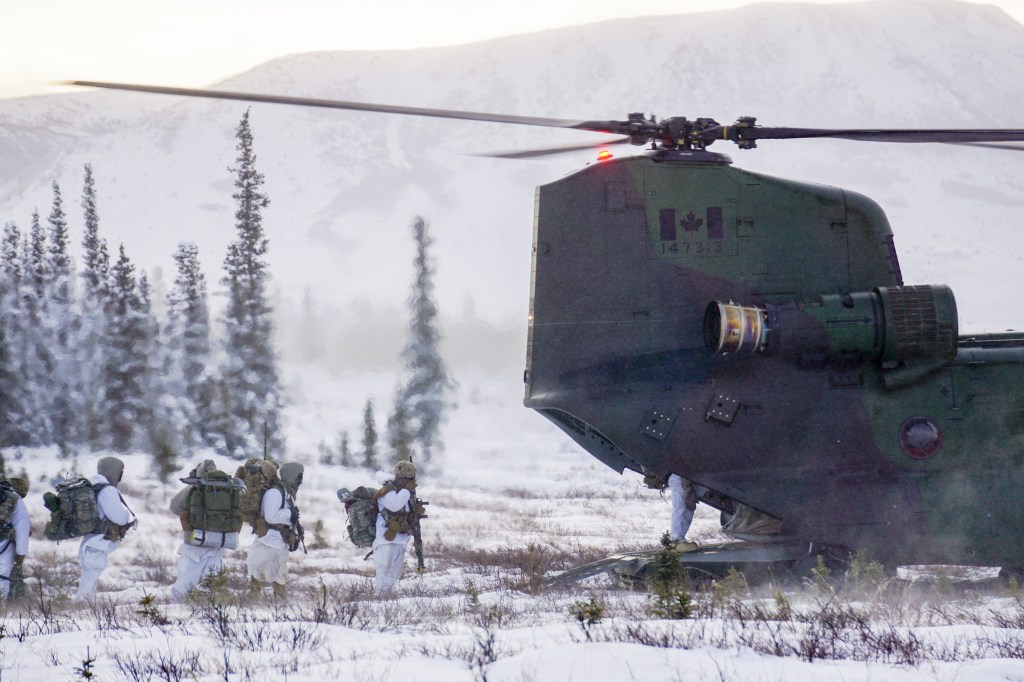
We’re making strides, but Arctic soldiers still need help from big Army
With the service’s new Arctic strategy and the anticipated re-designation of Army Alaska as the 11th Airborne Division, the Army should also bring in more funding.
-
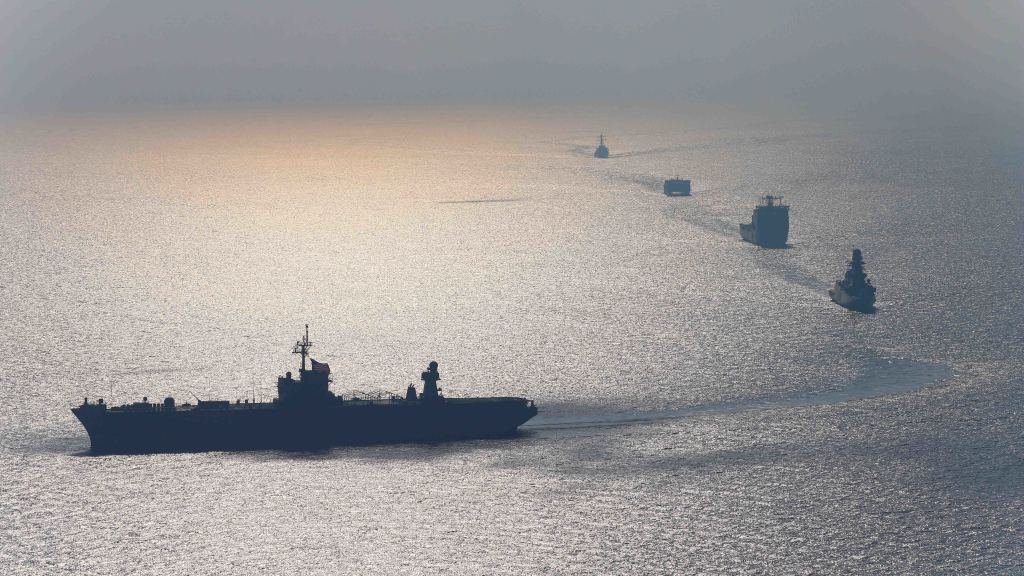
New Mideast task force can counter Iranian arms smuggling, but more capabilities are needed
U.S. Central Command must be able to to analyze and exploit intelligence, which requires a robust cadre of analysts.
-
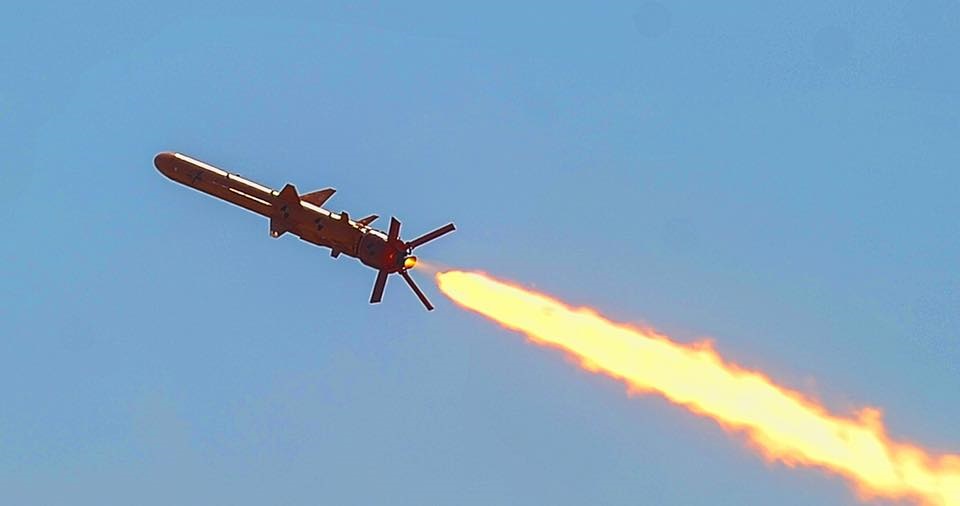
Moskva’s sinking, the rise of anti-ship cruise missiles and what that means for the US Navy
If a relatively low-cost, short-range missile can destroy one of the largest warships in the Russian Navy, how do we ensure that ships in our fleet are not doomed to the same fate?
-
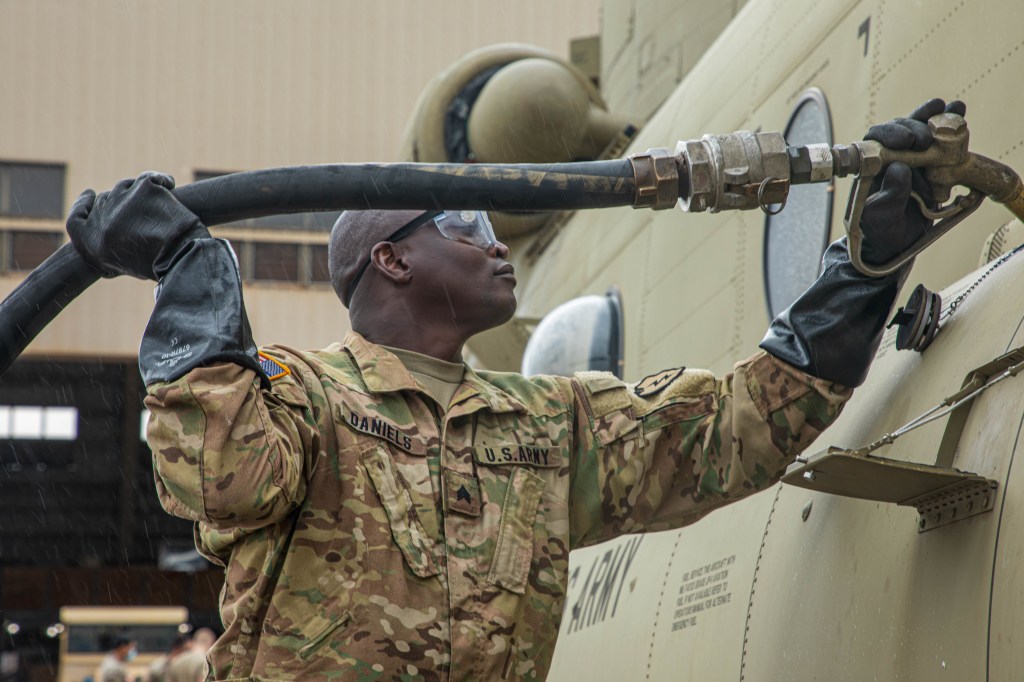
Fossil fuels are the Achilles’ heel of warfare. Just ask Russia.
Fossil fuels aren’t just a vulnerability on the battlefield; they’re also a strategic straitjacket.