WASHINGTON – The US Senate is now more likely to finish work on a Pentagon policy before taking up a massive government-wide spending bill.
The Senate is working through 30 hours of floor debate time, forced by retiring Sen. Tom Coburn, R-Okla., over his objections to public lands bills included in the 2015 national defense authorization act (NDAA). At the same time, a ‘cromnibus’ spending measure that would fund the Pentagon and 11 other federal agencies through the fiscal year stalled Thursday in the GOP-controlled House.
The latter development means the government might be closed on Friday. That’s because to pass the ‘cromnibus’ — which contains controversial provisions opposed by members of both parties — unanimous consent would be required.
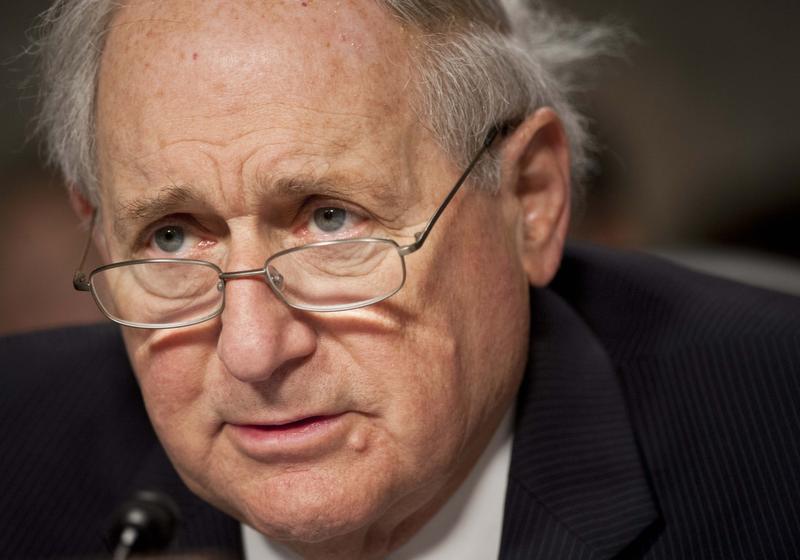
Several senators on Thursday said that seems like a longshot, meaning the Senate would have to plod through a several-step procedure to even get to a final vote on the “cromnibus” — after the NDAA is passed. Senate Armed Services Chairman Carl Levin, D-Mich., said he believes Coburn will require the chamber to use all 30 hours of debate time on the defense bill.
“I don’t see any alternative in sight,” Levin told reporters Thursday. “I’m guessing it’s more likely now that we would finish the authorization bill before we would get to the omnibus.
“I still think we’ll be in all weekend and beginning of next week,” he said. “That’s what I’ve felt for some time.”
Levin said he had not spoken with Coburn about his holding up a final vote on the NDAA over objections to public lands bills it features.
Congressional leaders could still avoid a shutdown by passing a two- or three-day continuing resolution for all government agencies, keeping them open while the Senate slow-walks to a final “cromnibus” vote this weekend or early next week.
Additionally, Levin says he expects the upper chamber will approve a long list of pending Defense Department nominations.
“I don’t think there’s anyone who really opposes those,” Levin said. “They usually go through here with less problems than non-defense confirmations. I expect that these will, too. No reason that they shouldn’t.” ■