ORLANDO, Fla. — The Air Force has learned lessons from the fiscal 2013 sequestration-forced standdown that cut flying hours, and expects to be better prepared if Congress does not reverse the law and mandatory cuts return in 2016.
In fiscal 2013, the Air Force had to stand down 17 combat squadrons and reduce readiness of additional units to save money when sequestration went into effect. The budget cuts will are expected to return next year unless if Congress acts to reverse them is unable to take action. The service was taken by surprise in 2013, and while the fiscal 2016 budget proposal does not take into account sequestration cuts, top service officials are still planning for the possibility.
“The biggest challenge in 2013 was, we didn’t start [the cuts] until halfway through the year,” Air Combat Command chief Gen. Hawk Carlisle said Thursday today at the Air Force Association Air Warfare Symposium here in Orlando. “We spent the first half of the year as if sequestration wasn’t going to happen.”
That meant the service was forced to make drastic cuts in the second half of the year, leading to the decision to ground squadrons. That will likely not be the case if sequestration returns next year.
“We are anticipating it, making the tough calls,” Carlisle said. “… We’re better prepared. We are going into it realizing that it could very possibly happen.”
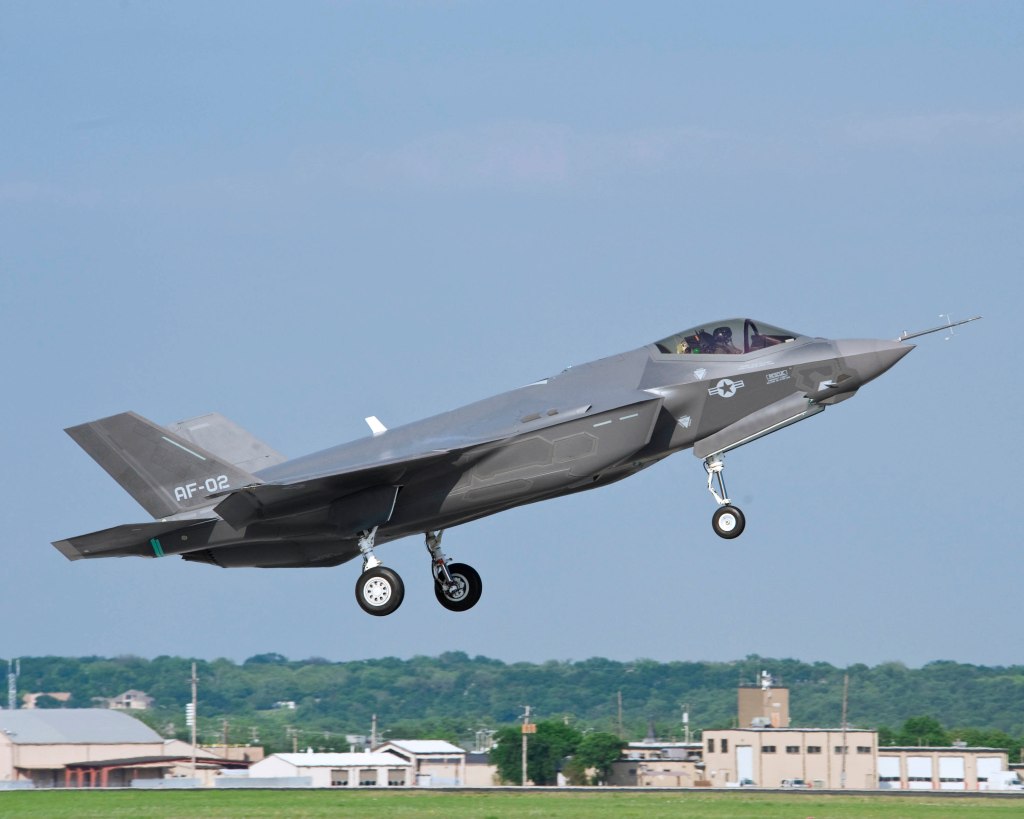
These decisions could include, in addition to a reduction in flying hours, the retirement of the KC-10 Extender fleet and possible delays in the purchase of F-35s. These This are in addition to plans to retire the A-10, a step decision officials have said is needed to bring the F-35 online and save about $3.5 billion.
“If we live through Budget Control Act-level budgets through [the next five years] and into the next decade, this will be a fundamentally different Air Force,” Carlisle said. “We have to produce the very best Air Force we can given the resources the American people give us.”
In fiscal 2013, two major commands — Pacific Air Forces and U.S. Air Forces in Europe — were largely untouched with regards to flying hours. However, the commands were forced to cancel exercises with other countries, a move that had a major impact, Pacific Air Forces commander Gen. Lori Robinson said.
“When you touch that, and when you break that, that is a concern for our long-term commitment to friends and allies,” Robinson said.
If sequestration does return, Pacific Air Forces can use its 2013 experience to better prioritize temporary duty assignments and exercises for its airmen and which exercises could be a focus, Robinson said.
The major takeaway from the 2013 experience was the impact that grounding aircraft has had, because it took months for much of that readiness to return, U.S. Air Forces in Europe commander Gen. Frank Gorenc said.
“The corrosive effect of having sequestration sit around, and not flying airplanes cannot be understated,” Gorenc said.
Air Force commanders warn against but prepare for possible sequester